Industry guides
Packaging for Chemical Manufacturers: Choosing Drum Liners, Bulk Bag Liners and Container Liners
How chemical companies choose drum liners, FIBC liners, container liners and flexi bags by compatibility, barrier and static risk.
Key takeaways
- The wrong film is softened, swollen or permeated by the product, and the loss is the batch, not the liner.
- Polyethylene suits most aqueous, acidic and alkaline products; PVC is specified for groups polyethylene cannot hold.
- Hygroscopic and oxygen-sensitive chemicals need an aluminium or EVOH barrier layer, not just a thicker film.
- Flammable powders and solvent-wet products need conductive or Type D construction, specified with the liner.
- A supplier who checks compatibility against your data sheet before quoting is worth more than a cheaper film.
Compatibility comes first
In chemical packaging the expensive failure is never the packaging. It is a batch contaminated by a film the product attacked, a powder that took on moisture through a liner that was never a barrier, or a fire at discharge because nobody asked whether the product was flammable.
So the decision runs in a fixed order:
- Compatibility — which film will the product not soften, swell, permeate, discolour or leach from?
- Barrier — does moisture or oxygen spoil the product over the storage and transit time?
- Static — is the product, or the atmosphere around it, ignitable by a static discharge?
- Format — drum, FIBC, container liner, sack or flexi bag, chosen by volume, route and handling.
Get the first three right and the format is a logistics question. Get them wrong and no format will save the batch.
Step 1: compatibility
| Film | Where it is usually right | Where to be careful |
|---|---|---|
| Polyethylene (PE), multilayer | Most aqueous solutions, many acids and alkalis, salts, polymers, most powders | Some aromatic and chlorinated solvents, oils at temperature — check the data sheet |
| PVC | Products that will not sit safely against PE; where contents must be visible; irregular containers | Plasticiser interaction with some products; temperature limits |
| Aluminium laminate | Moisture- and oxygen-sensitive products; long storage; long voyages | Compatibility is decided by the inner sealing layer, which still has to suit the product |
| EVOH barrier film | Oxygen-sensitive products, oils, resins, flavours | Barrier falls at high humidity unless protected by PE skins, as in a co-extruded structure |
| Conductive film | Flammable powders, solvent-wet products | The conductive layer and the product contact layer both need checking |
Treat the table as a starting point. GI PackTech works compatibility out case by case against the product data sheet before anything is quoted, and declines the job where a film would fail — including where PVC is not the right answer for a product that a buyer assumed needed it.
Step 2: barrier
A thicker film is not a barrier. Polyethylene of any thickness lets water vapour and oxygen through slowly, which is invisible over a week and decisive over a three-month voyage through humid ports.
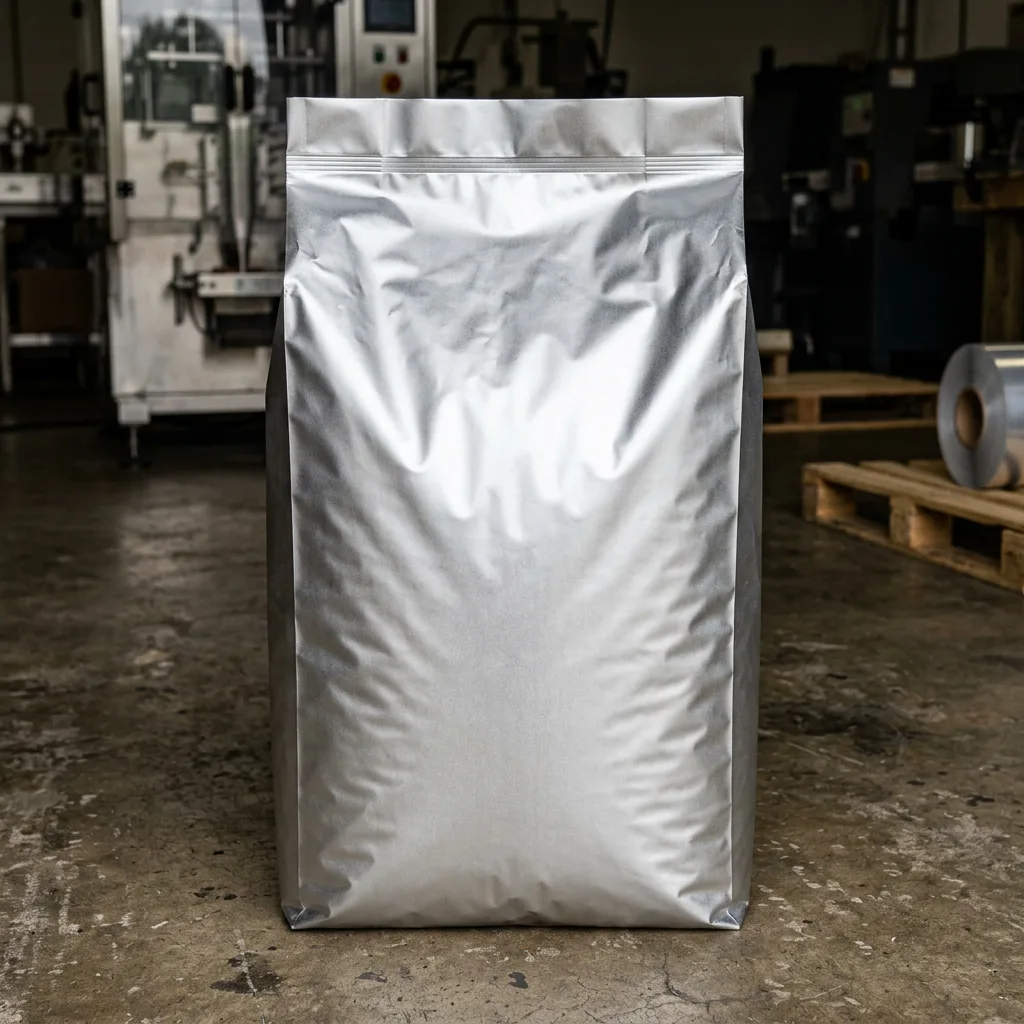
- For hygroscopic powders, catalysts and moisture-sensitive additives, specify an aluminium 5- or 6-layer liner. The foil is close to a total barrier; the seal is where the barrier is won or lost.
- For oxygen-sensitive products — resins, oils, some intermediates — an EVOH barrier liner gives an oxygen barrier with the handling of an ordinary PE liner.
The guide EVOH vs aluminium barrier liners sets the two side by side.
Step 3: static
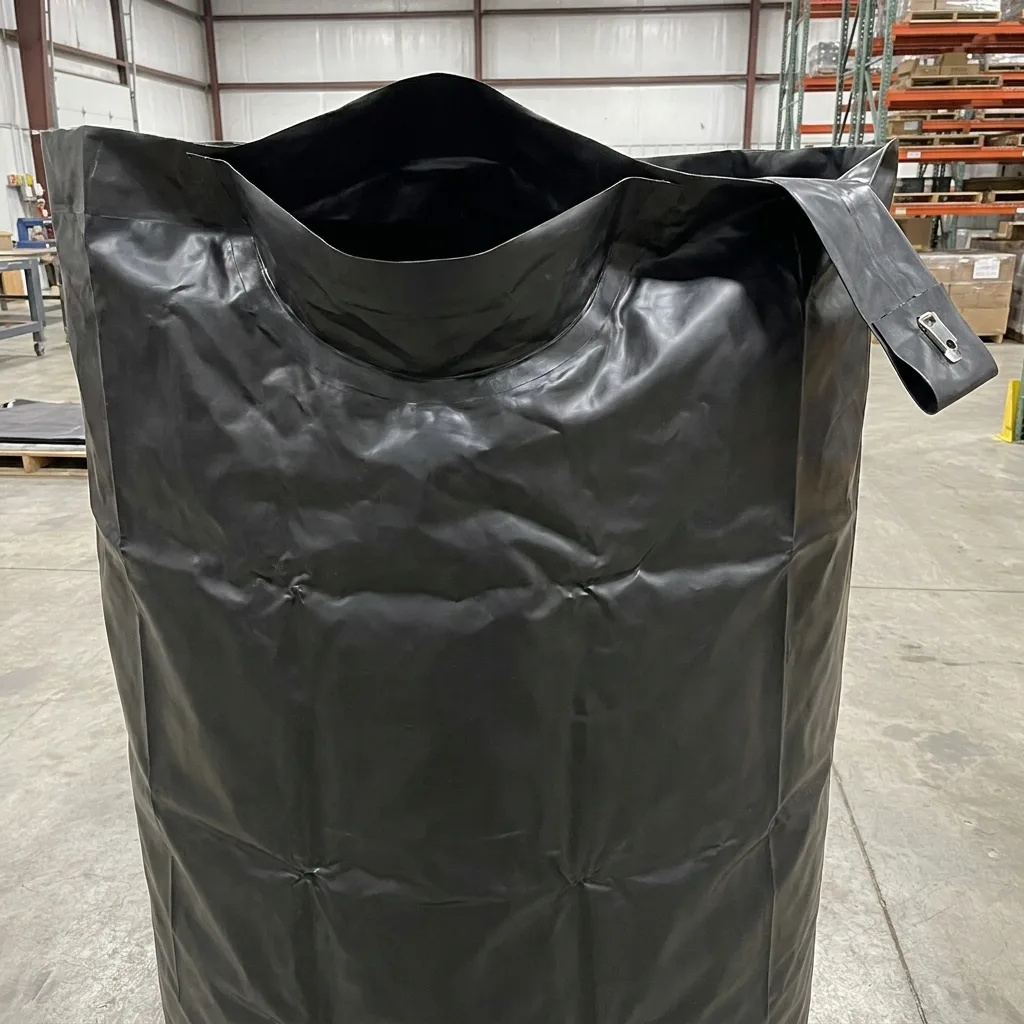
Any powder flowing into or out of a liner generates charge. Whether it matters depends on how easily the product ignites and whether flammable vapour is present. For flammable powders and solvent-wet products, specify Type C or Type D FIBCs and a conductive liner as one system. Where a product needs both static control and a barrier, a conductive aluminium liner does both in one construction instead of double lining.
Step 4: format
| Format | Typical quantity per unit | Best for |
|---|---|---|
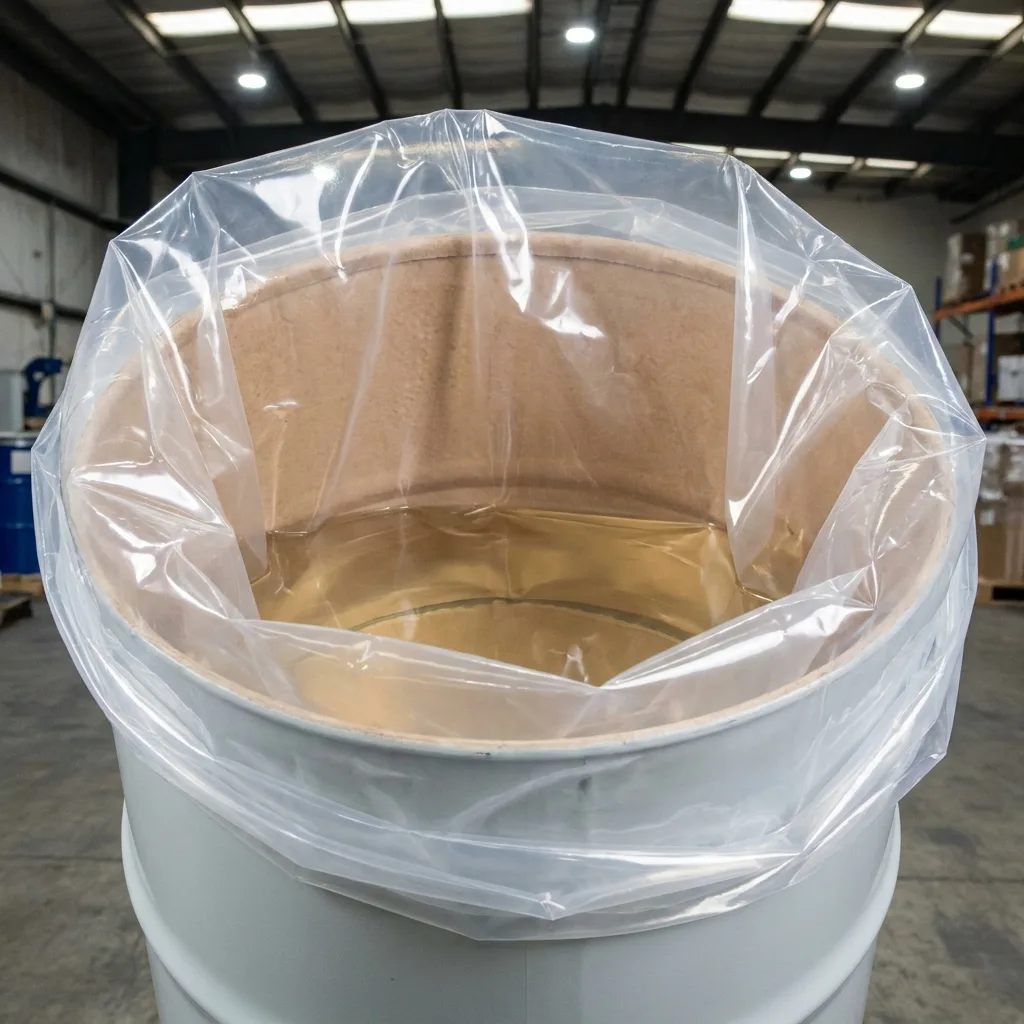
| Drum with liner | Up to about 200–250 litres per drum | High-value products, small lots, liquids and pastes, reusable drum programmes |
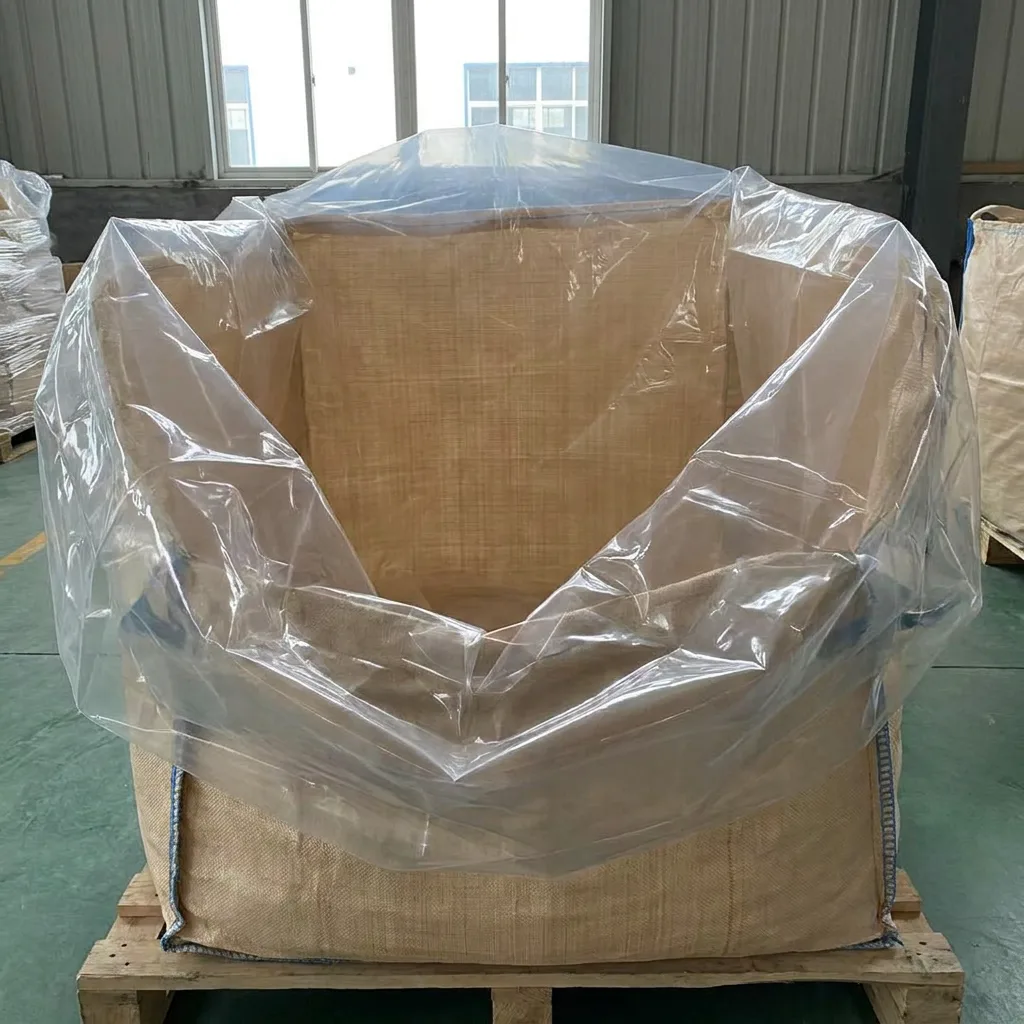
| FIBC with liner | Several hundred kilograms to over a tonne | Powders and granules moved by forklift into a process |
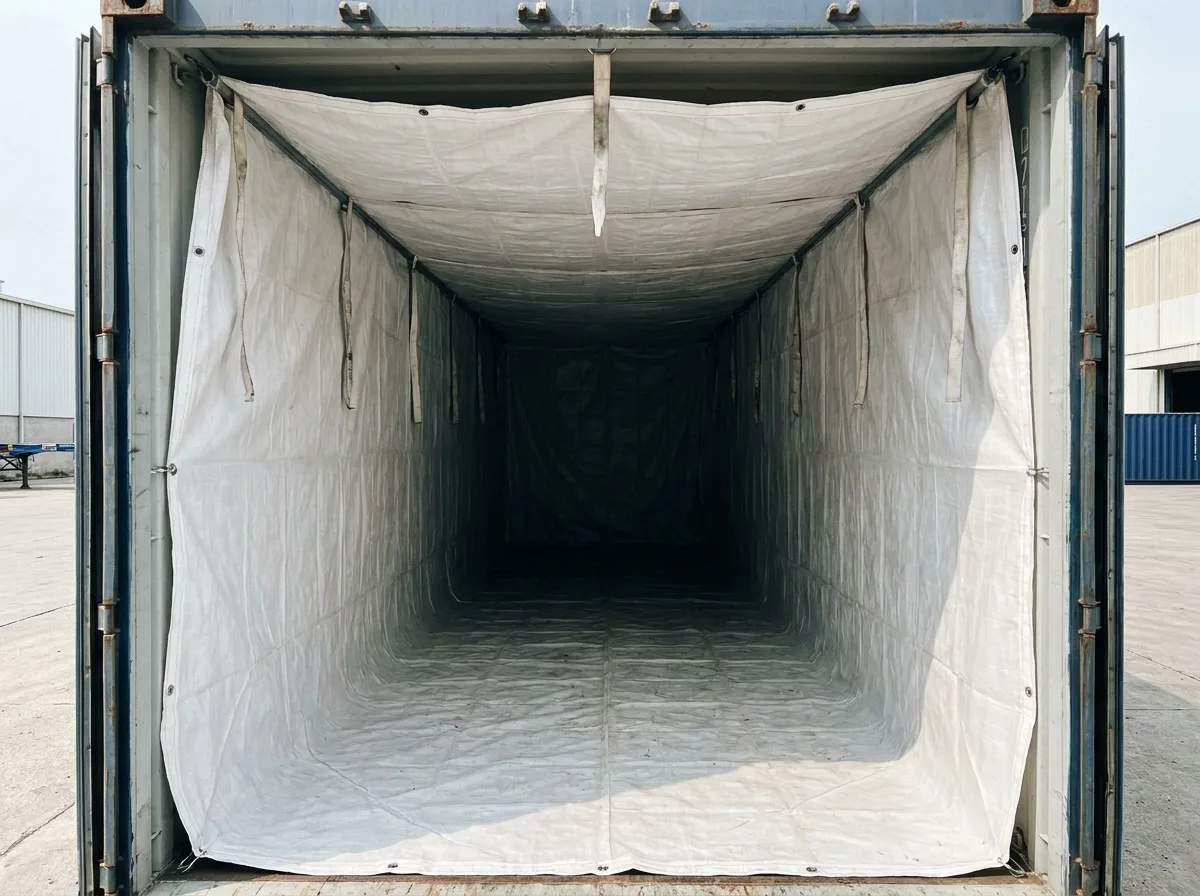
| Container liner | A full 20 or 40 foot container, loose | Single-product dry bulk exports at volume |
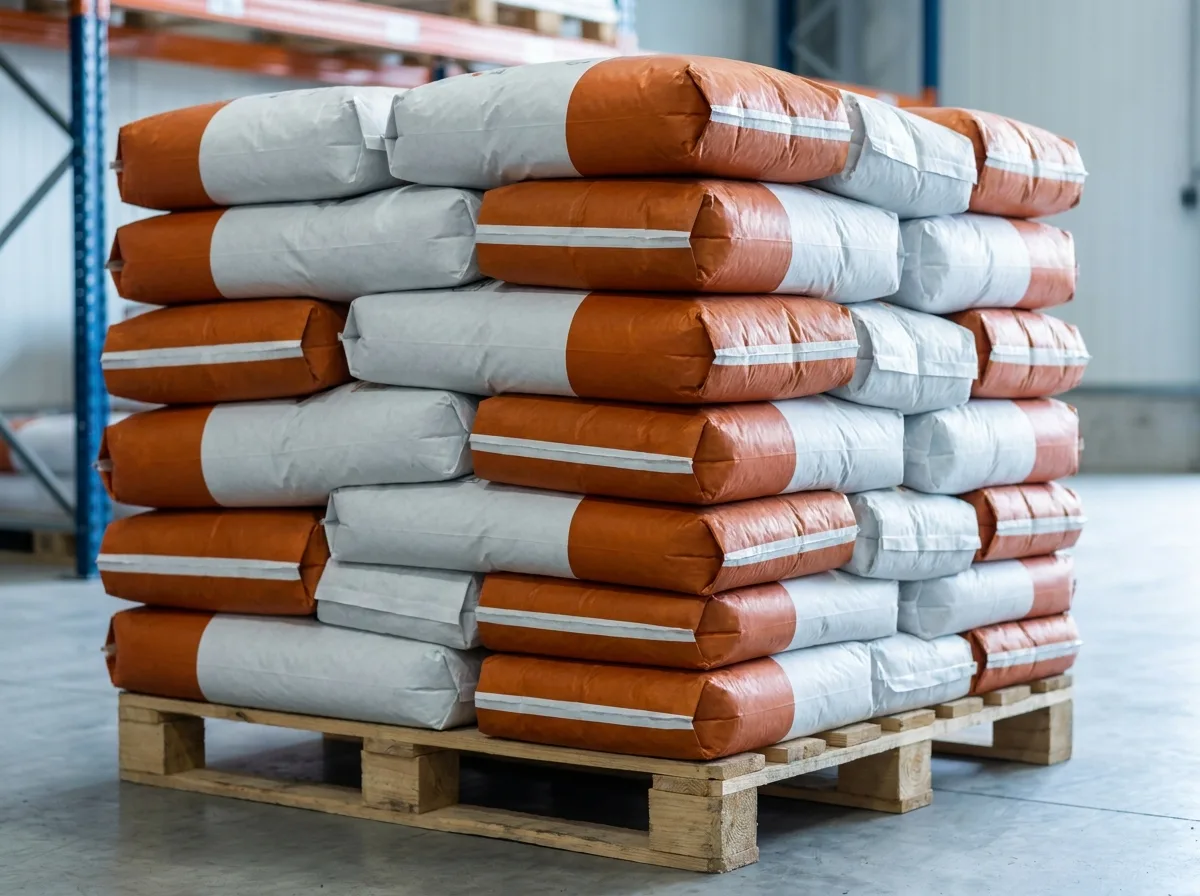
| 25 or 50 kg sack | 25 or 50 kg | Products sold through dealers or handled by hand |
| Liquid flexi bag | 1,000–1,500 litres | Non-hazardous liquids without an IBC to clean and return |
On the plant floor itself, a flexible spill containment bund under drum and IBC storage is often required by the site's environmental permit and takes minutes to place.
Dangerous goods
If the product is classified as dangerous goods for transport, the packaging as a whole must be of an approved design type under the UN Recommendations on the Transport of Dangerous Goods — the drum or FIBC design, tested and marked. The liner forms part of that design. Give the supplier the UN number, the packing group and the approved packaging you use, and the liner is specified within it rather than as a substitute for it.
What to send
- The product data sheet, and the safety data sheet if the product is hazardous
- Container type and measured internal dimensions
- Fill temperature, storage temperature and the expected storage and transit time
- Whether flammable vapour or solvent is present at filling or discharge
- Annual quantity, destination and handling method
GI PackTech supplies chemical and specialty chemical plants across India and for export. Send the data sheet first; the reply is a specification and a sample, not a price list.
Frequently asked questions
What is the best liner material for chemicals?
There is no single best material; it depends on the chemical. Polyethylene resists most aqueous solutions, acids and alkalis and is the usual starting point. PVC is specified where a product will not sit safely against polyethylene. Aluminium laminates add a near-total moisture and gas barrier, and conductive films add static control. The product data sheet decides it.
How do I package a hygroscopic chemical for export?
Use an aluminium foil laminate liner, in 5 or 6 layers, sealed so that permeation at the seal stays minimal, inside a drum or FIBC suited to the load. A plain polyethylene liner keeps the product clean but lets moisture through over a long, humid voyage. Specify the barrier against the storage period and route rather than against the fill weight.
Do chemical liners need to be UN approved?
UN approval applies to the packaging used for dangerous goods as a whole — for example the drum or the FIBC design type — under the UN Recommendations on the Transport of Dangerous Goods. A liner is part of that design. If your product is classified as dangerous goods, tell the supplier the UN number and packing group so the liner is specified within the approved packaging.