PackTech.
8.2 25 & 50 kg

Heavy Duty Bulk Bags — 25 kg and 50 kg

Built around the drop, not around the fill weight

The problem it prevents

A sack that splits does not only lose the product. It loses the dealer’s confidence in it.

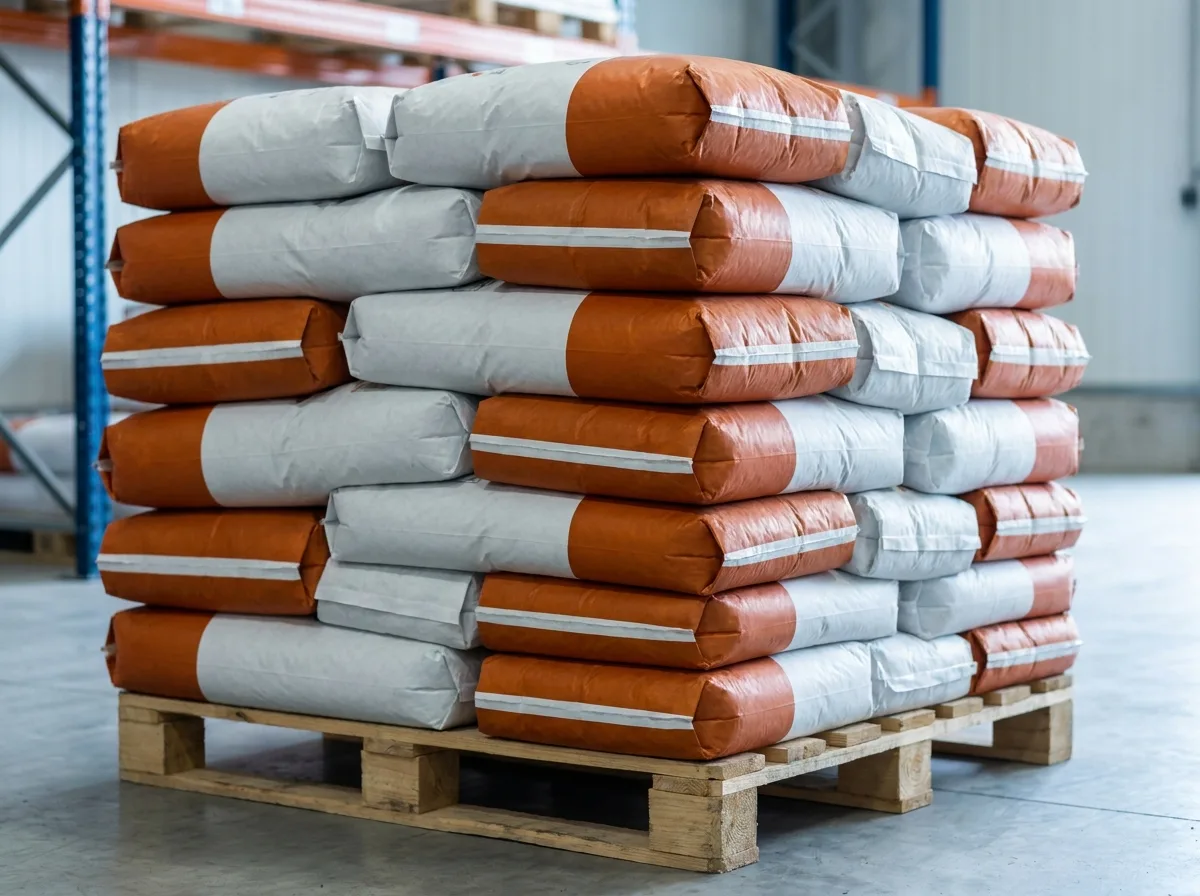
A 25 or 50 kilogram sack is thrown, dropped, stacked eight high, driven over bad roads and left in the sun on a dealer’s forecourt. It is handled by people who have no particular reason to be careful with it, several times over, long after it has left your control.

When one bursts, the loss is rarely the material. It is the mess on somebody’s floor, the short delivery, the claim, and a dealer who now tells his customers that your bags split.

What it is

Heavy duty sacks in 25 and 50 kilogram sizes, made in the material the product and the handling actually require rather than in whichever film the sack line already runs.

The two usual starting points are a heavy co-extruded polyethylene sack and a woven polypropylene sack, and they fail in different ways, so they suit different products. PE is welded shut, which gives a continuous moisture seal and no stitch holes anywhere in the bag. Woven PP has the tear strength that only a woven base gives, and takes a coated or BOPP-laminated outer where the sack has to look like a finished retail product on a shelf. Valve, open mouth, block bottom, side gusset and form-fill-seal formats are all made here.

Key features

  • 25 kg and 50 kg as standard, and any fill weight between or beyond
  • Valve, open mouth, block bottom, side gusset and FFS formats
  • Co-extruded PE, woven PP, BOPP laminated woven, or woven with a fitted PE liner
  • Heat sealed, stitched or ultrasonically sealed closure
  • UV stabilised grades for outdoor and forecourt storage
  • High and low temperature grades for hot fill and cold store
  • Valve openings made to your filling head, usually in the 10 to 18 cm range
  • Multi-colour printing, batch coding and identification panels
  • Mono-material PE constructions that recycle back as a single polymer

Specification

Materials
Co-extruded LLDPE film for impact strength and a welded moisture seal. Woven polypropylene — plain, coated or BOPP laminated — where tear strength and print quality decide it. Woven PP with a fitted PE liner where the product needs a barrier the fabric cannot give on its own. Paper and PE combinations where a paper face is required. Film thickness, fabric GSM and layer structure are specified against the fill weight, the filling method and the handling.
Sizes
25 kg and 50 kg as standard. Bag width, gusset, length and fill weight are made to your filling equipment and your pallet pattern.
Applications
Cement and building materials, fertilisers and agrochemicals, polymer granules, masterbatch and additives, carbon black, minerals and ores, salt, sugar, flour, animal feed, and specialty chemicals.
Where it is used
Producers packing to a fixed unit weight for dealers, distributors and export. It matters most where the sack is handled manually at the far end or stored outdoors, because those are the two conditions a lightweight sack is not built for.

How we build it

We build the sack around the drop rather than around the fill weight. A sack of this size is normally proved by a drop test at 1.2 to 1.5 metres, which represents one careful person setting it down. That is not what happens to it in the field. Our heavy grade co-extruded film has been dropped from around 12 metres without bursting, and the reason for building that much margin in is that the handling downstream looks nothing like the handling in the test.

The other half of the work is the closure. A stitched sack has a line of needle holes across its top by design, so a product that has to stay dry is being asked to keep moisture out through a row of punctures. Where that matters we heat seal or ultrasonically seal instead, and the bag has no stitch line at all.

Built to your specification

Every one of these can be changed for your application, and a sample is supplied for trial fitment before bulk production.

  • Fill weight and bag dimensions
  • Valve, open mouth, block bottom, gusset or FFS format
  • Film structure, thickness and layer count
  • Fabric GSM and lamination
  • Valve size and type
  • Closure — heat seal, stitch or ultrasonic
  • UV stabilisation
  • Temperature grade
  • Printing, batch coding and identification
  • Anti-slip coating, perforation and handle options

Specified in

Questions

What buyers ask about this one.

What makes a bulk bag heavy duty rather than an ordinary sack?

The film or fabric is specified against the drop rather than against the fill weight. A 25 or 50 kilogram sack is thrown, stacked, driven over bad roads and left in the sun long after it leaves the plant, and a bag built only to hold the weight fails at the third handling. GI PackTech builds them in heavy co-extruded PE or woven polypropylene, with UV stabilised and temperature-graded options where the storage demands it.
Should a 25 kg sack be polyethylene or woven polypropylene?

They fail differently, so the product decides. Co-extruded PE is welded shut, giving a continuous moisture seal and no stitch holes anywhere — the right answer for anything that must stay dry. Woven polypropylene gives tear strength a plain film cannot reach and takes coating or BOPP lamination where the sack has to look like a finished retail product. A woven bag with a fitted PE liner combines both where the product needs it.

What is a valve bag, and when do you need one?

A valve bag is filled through a small sleeve in one corner that closes itself under the pressure of the product, so the bag never needs a separate sewing or sealing step after filling. It suits high-speed automatic filling of cement, powders, granules and minerals. Valve size is made to your filling spout, usually in the 10 to 18 centimetre range, and block bottom formats are supplied where the sack has to stand square on a pallet.

How much drop can a heavy duty PE sack take?

A sack of this size is normally proved by a drop test at 1.2 to 1.5 metres, which represents one careful person setting it down rather than what happens in the field. GI PackTech’s heavy grade co-extruded film has been dropped from around 12 metres without bursting. The margin exists because downstream handling is nothing like the test, and because a burst sack costs the claim and the customer, not the material.

Are heavy duty polyethylene sacks recyclable?

A PE sack made as a mono-material goes back into the recycling stream as a single polymer, which is what recyclers can actually process — a mixed-material sack usually cannot be separated and is lost. Our heavy duty PE bags are made from linear low-density polyethylene for exactly that reason, and the same construction can be UV stabilised and temperature graded without giving up the single-polymer structure.

Who manufactures 25 kg and 50 kg heavy duty bags in India?

GI PackTech manufactures heavy duty 25 kg and 50 kg sacks at Gundlav, Valsad, in Gujarat, as a manufacturer and exporter established in 2006 and certified to ISO 9001:2015. Valve, open mouth, block bottom, side gusset and form-fill-seal formats are made to order in co-extruded PE, woven PP, BOPP laminated woven and lined constructions, with the fill weight, valve and closure built to your filling equipment.

Commonly specified with

These are usually part of the same conversation.

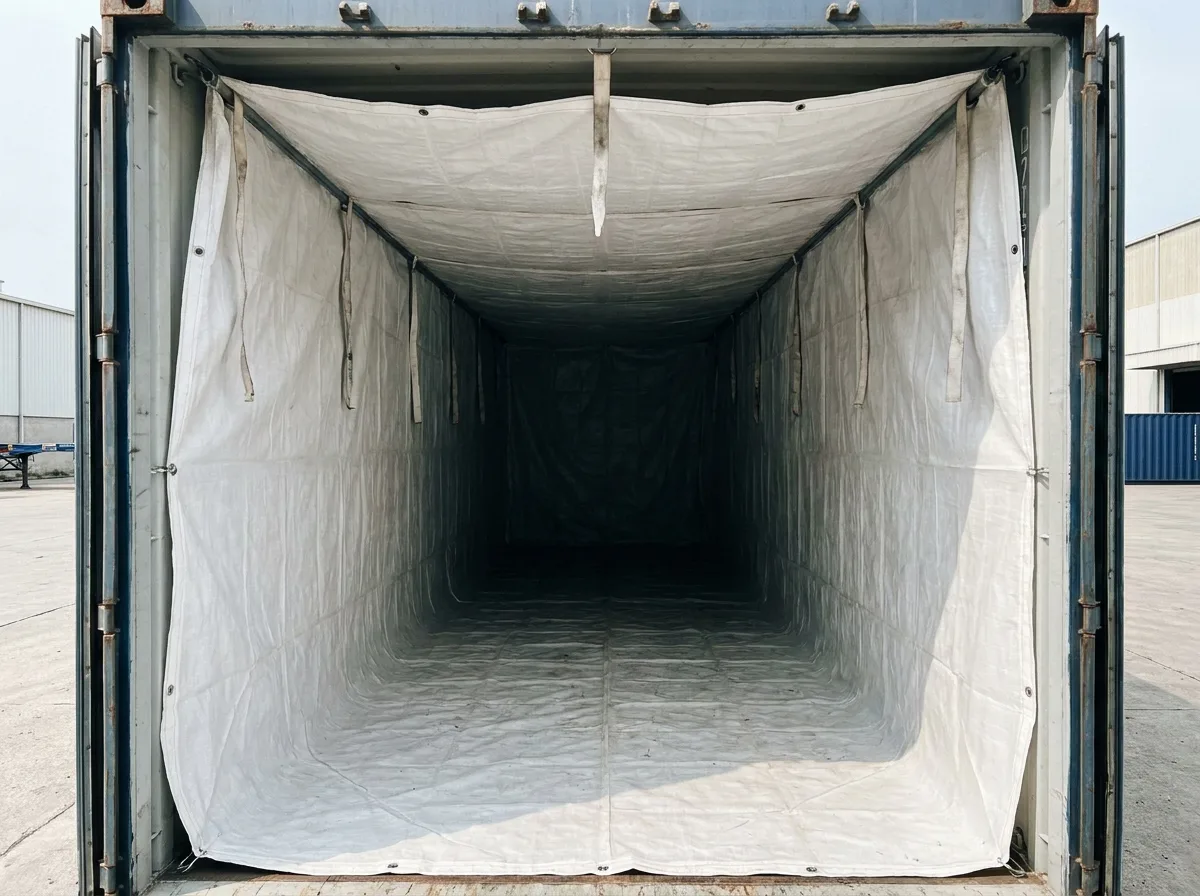
20ft & 40ft Woven polypropylene container liner fitted inside an empty shipping container, seen from the open doors

Container Liner for Dry Bulk — PP Woven and PE Film

Turns a standard shipping container into a sealed bulk vessel

8.1
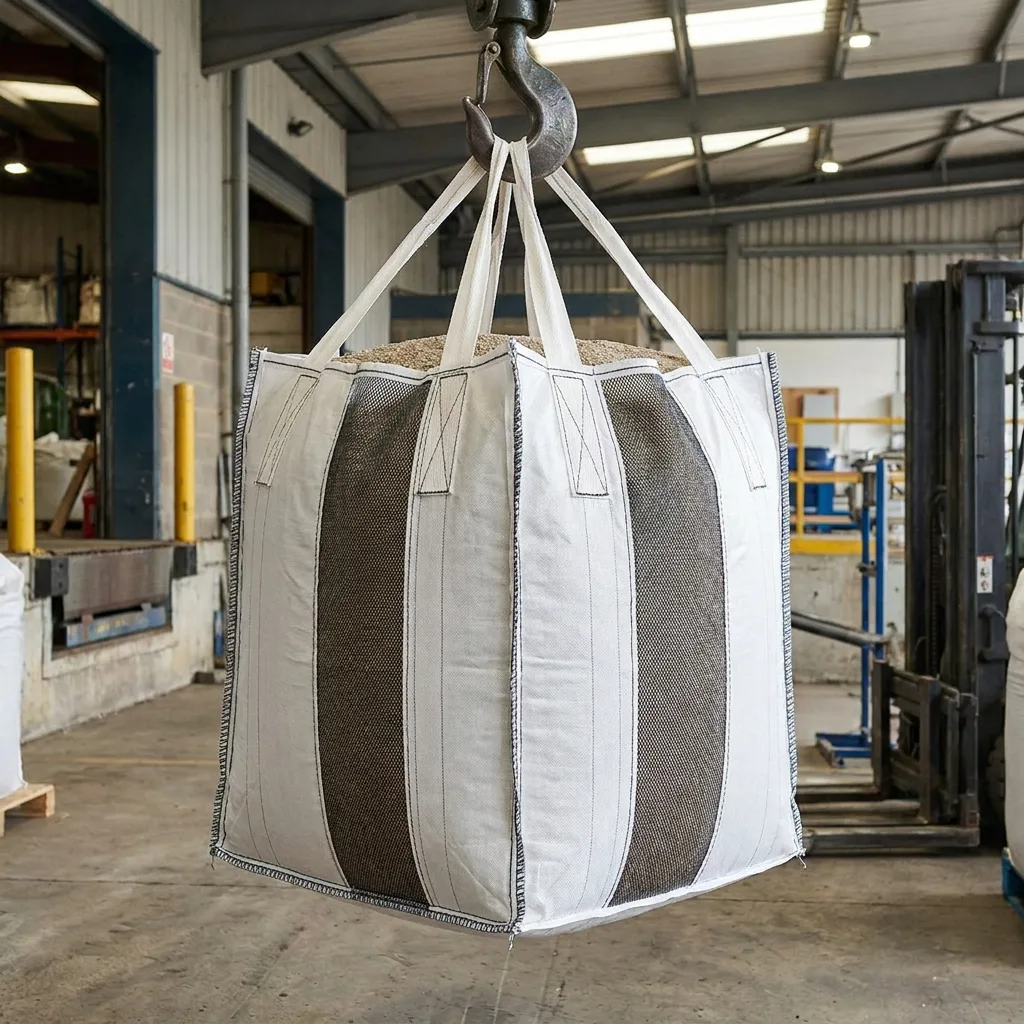
FIBC with air-releasing vent panels lifted on a crane hook at a loading bay

Single and Double Loop FIBC Bag with Air Releasing Vent

Faster filling without touching the filling machine

2.1
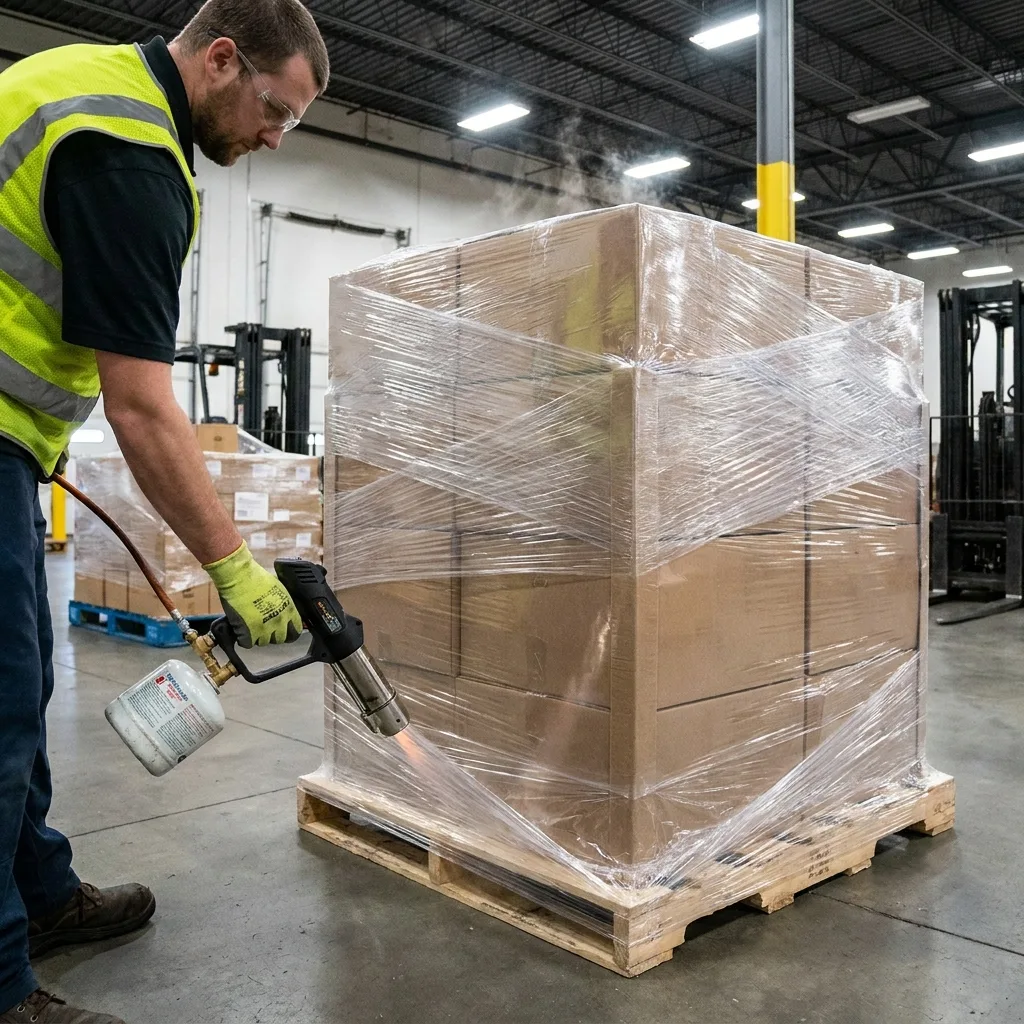
Operator shrinking a hood onto a pallet of cartons with a gas gun

Pallet Shrink Hood

Makes the stack behave as one block

6.2

Send us the problem

Send the drawing, the drum, or the data sheet.

Every product we make is built to order, so the conversation starts with your specification rather than with our price list. Sample liners and trial covers are supplied for fitment before bulk production begins.