20ft & 40ft
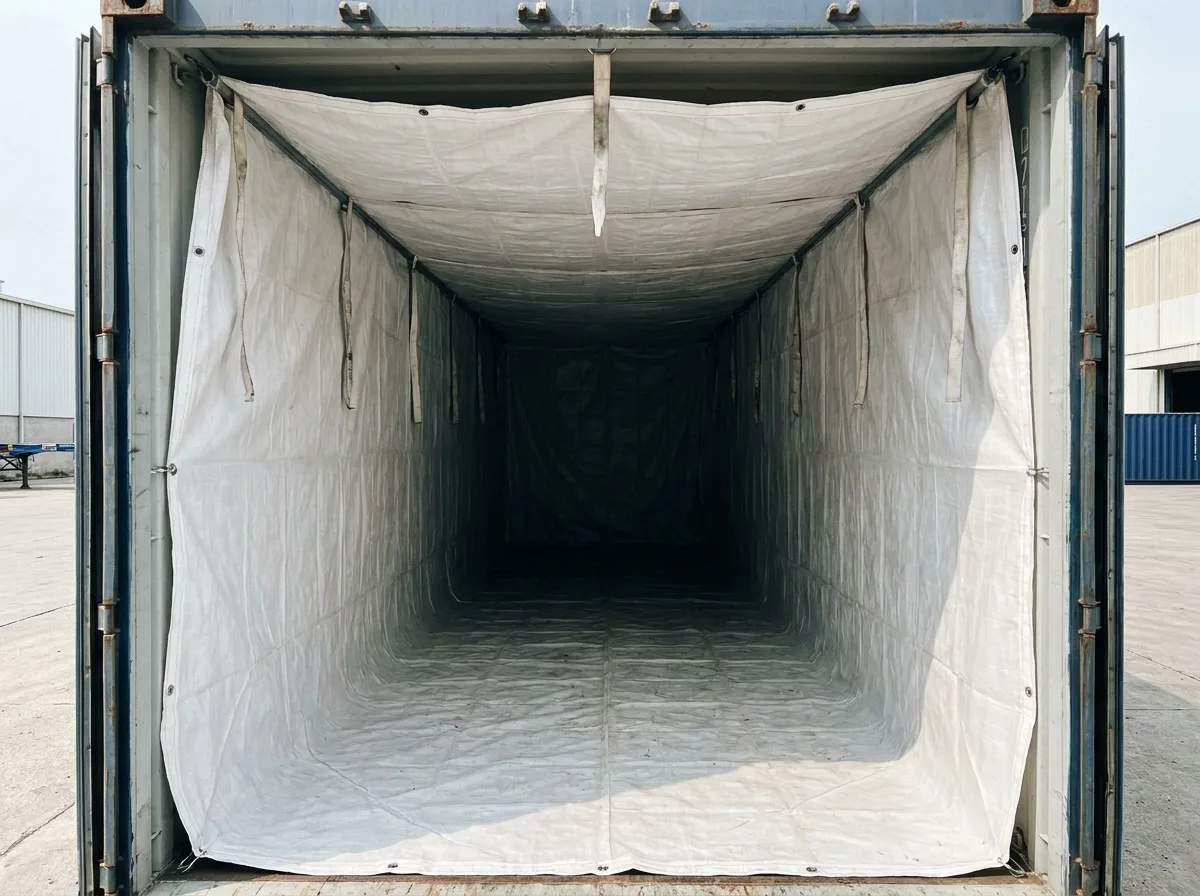
Container Liner for Dry Bulk — PP Woven and PE Film
Turns a standard shipping container into a sealed bulk vessel
8.1
Category 08 · 2 products
Most bulk cargo is packed the way it has always been packed, and nobody has priced the alternative.
Dry bulk leaves a plant in one of three formats: loose inside a lined shipping container, in FIBCs, or in sacks of 25 or 50 kilograms. That choice is usually made once and then never revisited, even though it decides the packaging cost, the handling cost at both ends, the freight paid per tonne, and how much of the product arrives in saleable condition.
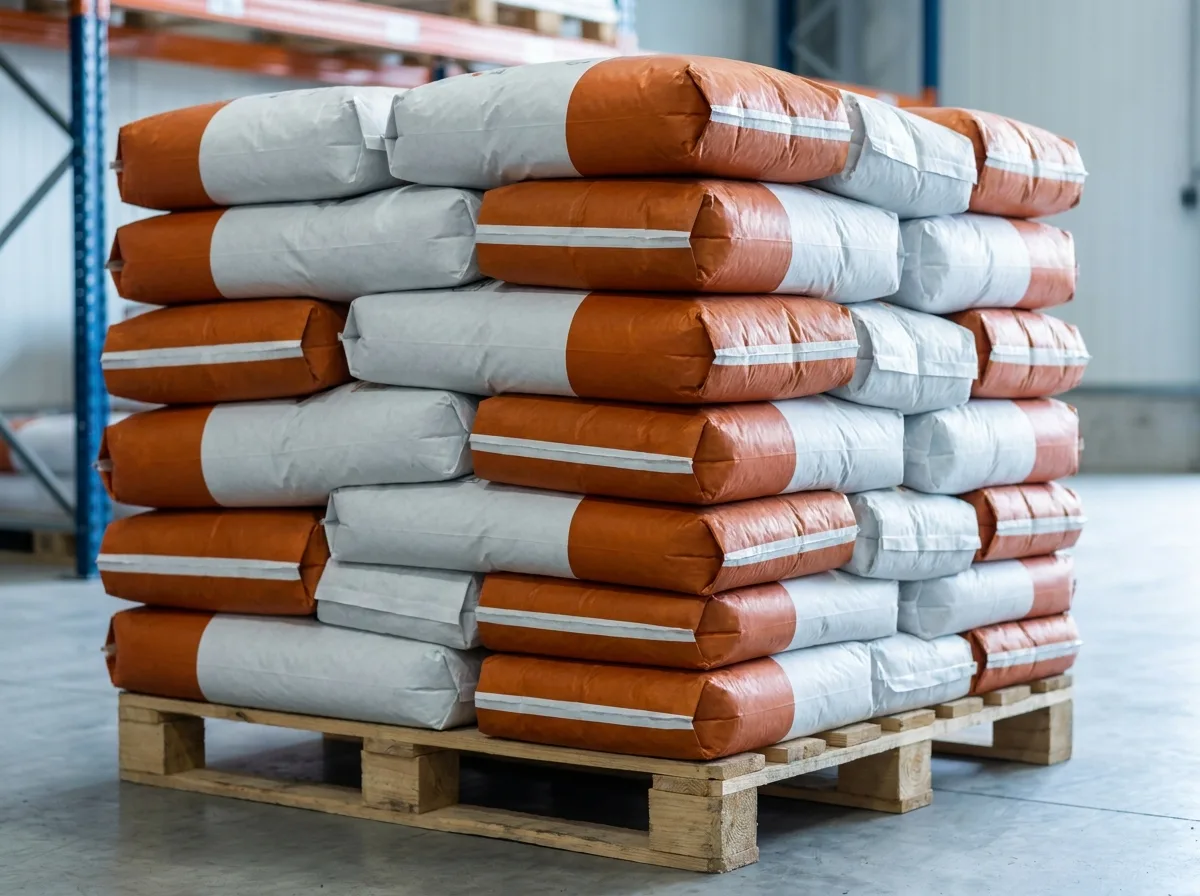
This category holds the two formats that sit either side of the jumbo bag. A container liner turns a standard 20 or 40 foot box into a sealed bulk vessel, so the cargo never touches the container wall and never needs a sack at all. A heavy duty sack does the opposite job, putting the product into a graded, printed, palletised unit a dealer or a distributor can handle. Both are made here, in the material the product actually needs rather than the one the line already runs.
Container Liners & Sacks
The same tonne of product, shipped two very different ways
From the blog
Petrochemical and refinery operations need four kinds of flexible packaging: container liners that ship polymer granules and resins loose in 20 or 40 foot containers,…
Choose a 25 or 50 kg sack by how it will fail. Co-extruded polyethylene is welded shut, so it gives a continuous moisture seal with no stitch holes. Woven polypropylene…
A dry bulk container liner is one large bag fitted inside a 20 or 40 foot shipping container, so powders and granules travel loose instead of in sacks. It removes the…
Products
Enquiries
Send the drawing, the drum dimensions or the product data sheet. Every product is built to order, so the conversation starts with your specification, not a price list. Sample liners and trial covers are supplied for fitment before bulk production begins.