Industry guides
Packaging for Petrochemicals, Refineries and Polymer Producers
Container liners for polymers, barrier liners for catalysts, conductive packaging for flammables and spill bunds for oil and refinery sites.
Key takeaways
- Polymer granules and resins ship most efficiently loose in a laminated or PE-film container liner.
- Catalysts and hygroscopic additives need a sealed aluminium laminate, not just a heavier PE liner.
- Anything flammable, or handled near solvent vapour, needs conductive or Type D packaging specified as one system.
- Flexible bunds give compliant secondary containment under drums, IBCs, pumps and generators without civil work.
The four packaging jobs on a petrochemical site
Oil, petrochemical and refinery operations do not buy "packaging". They buy four quite different things, each against a different risk:
| Job | Risk being managed | Product |
|---|---|---|
| Shipping polymers and resins in bulk | Freight cost per tonne, contamination from the container | Container liner |
| Storing and moving catalysts and additives | Moisture pick-up and loss of activity | Aluminium 5- and 6-layer liner |
| Handling flammable products | Static ignition at filling or discharge | Conductive drum liner, conductive FIBC liner |
| Storing drums, IBCs and equipment | Leaks reaching soil and drains | Spill containment bund |
Polymer granules, resins and powders: container liners
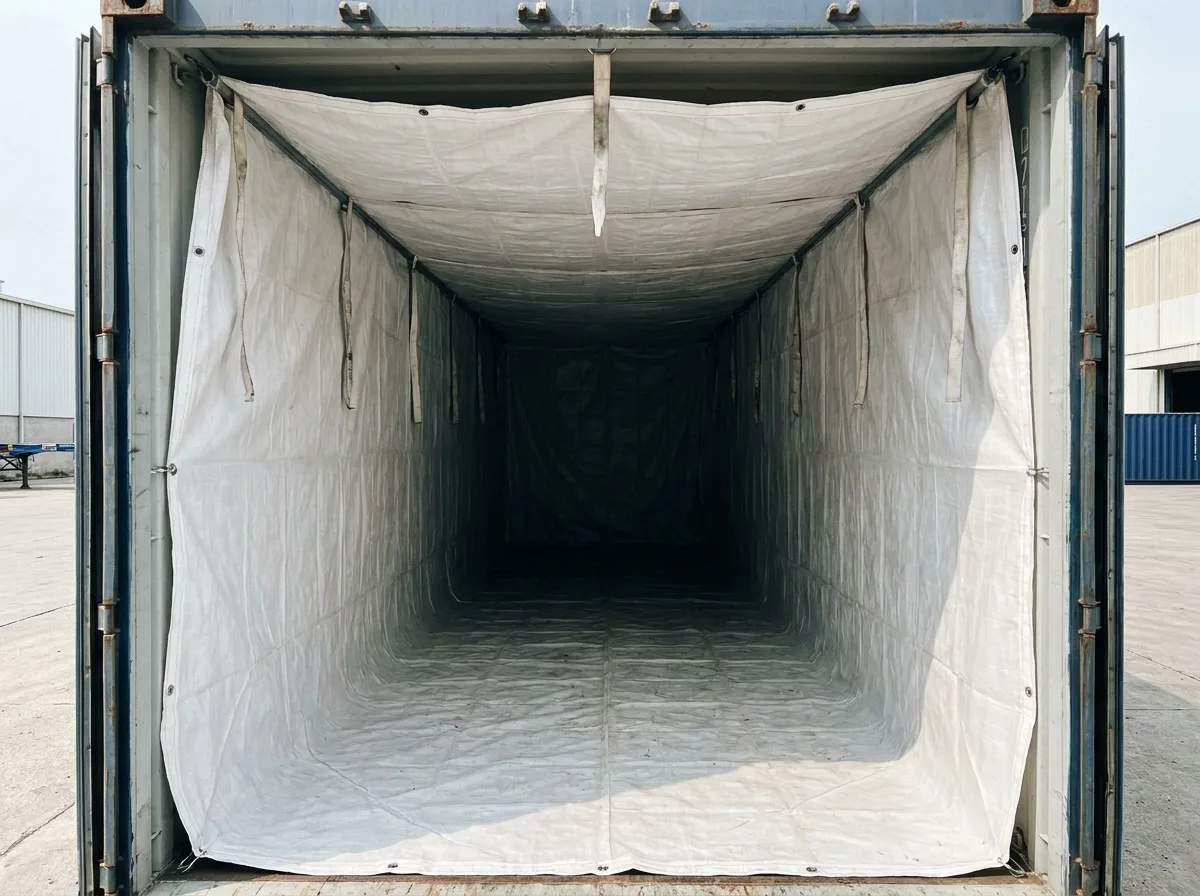
A 20 or 40 foot container shipped full of 25 kg sacks carries the cost of the sacks, the pallets, the filling labour, the stretch wrap and the emptying labour at the other end. A container liner replaces all of it: the container becomes a sealed bulk vessel, filled through a spout and discharged by tipping.
For polymers, the choice of liner material decides the result:
- Laminated woven PP/PE is effectively airtight and dust-tight — the usual choice for polymer granules, PVC and polymer powders.
- Welded PE film is the tightest of all, for the finest powders and the strictest contamination limits.
- Unlaminated woven fabric is breathable and suits warm or respiring agricultural cargo, not polymers.
The container liner guide covers sizing, the bulkhead and discharge in detail.
Catalysts and moisture-sensitive additives
Catalysts lose activity when they take on moisture, and they are worth far more than any packaging that could protect them. A heavier polyethylene liner does not solve that: polyethylene of any thickness lets water vapour through slowly, which is decisive over months of storage.
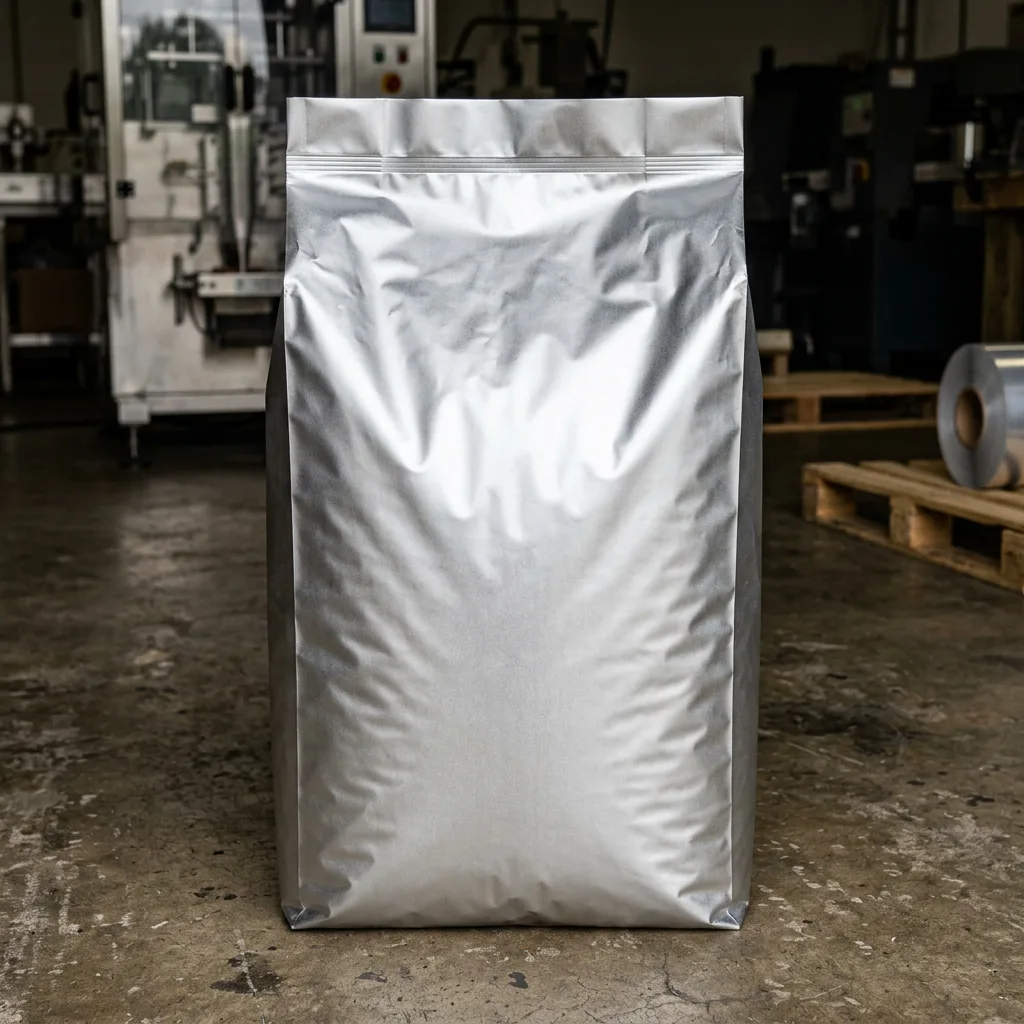
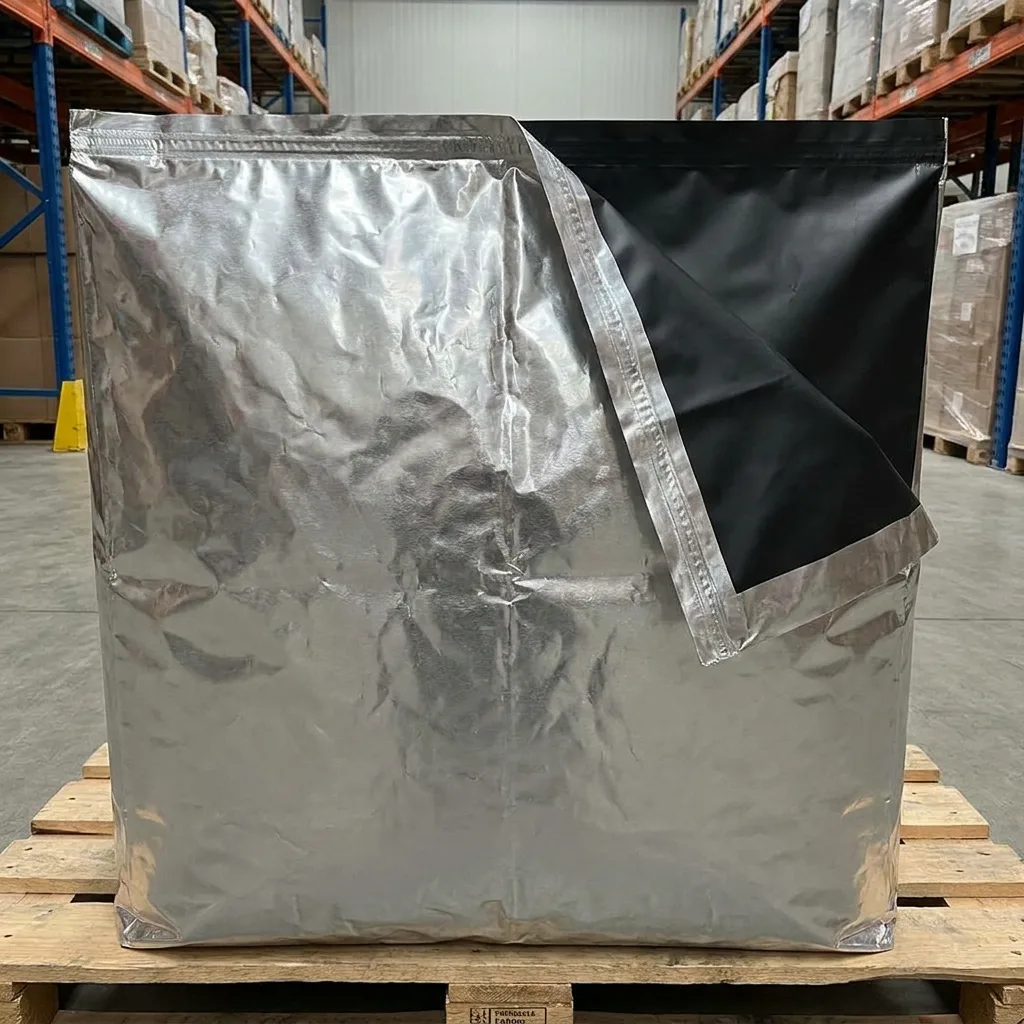
The answer is an aluminium foil laminate in five or six layers, each with a job — mechanical strength, barrier, seal integrity, puncture resistance. Barrier liners almost always fail at the seal rather than through the foil, so the seal specification matters more than the layer count. GI PackTech walks a buyer's technical team through the structure layer by layer before sampling.
Flammable products: static control
Filling and discharging any powder or liquid generates static charge. Near solvent vapour or with an ignitable dust, a discharge from an insulating liner or bag can be an ignition source. The controls are:
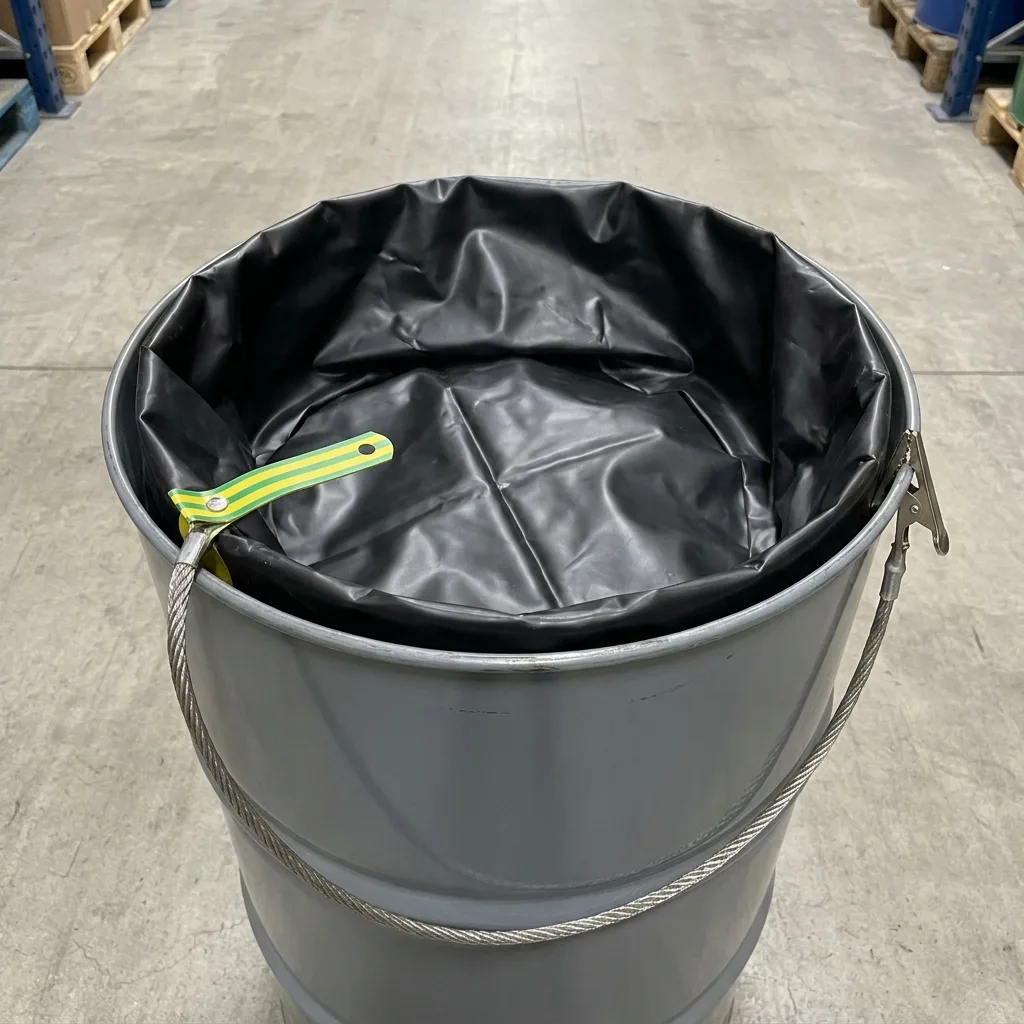
- A conductive round drum liner with a defined grounding arrangement that fits the plant's existing earthing procedure.
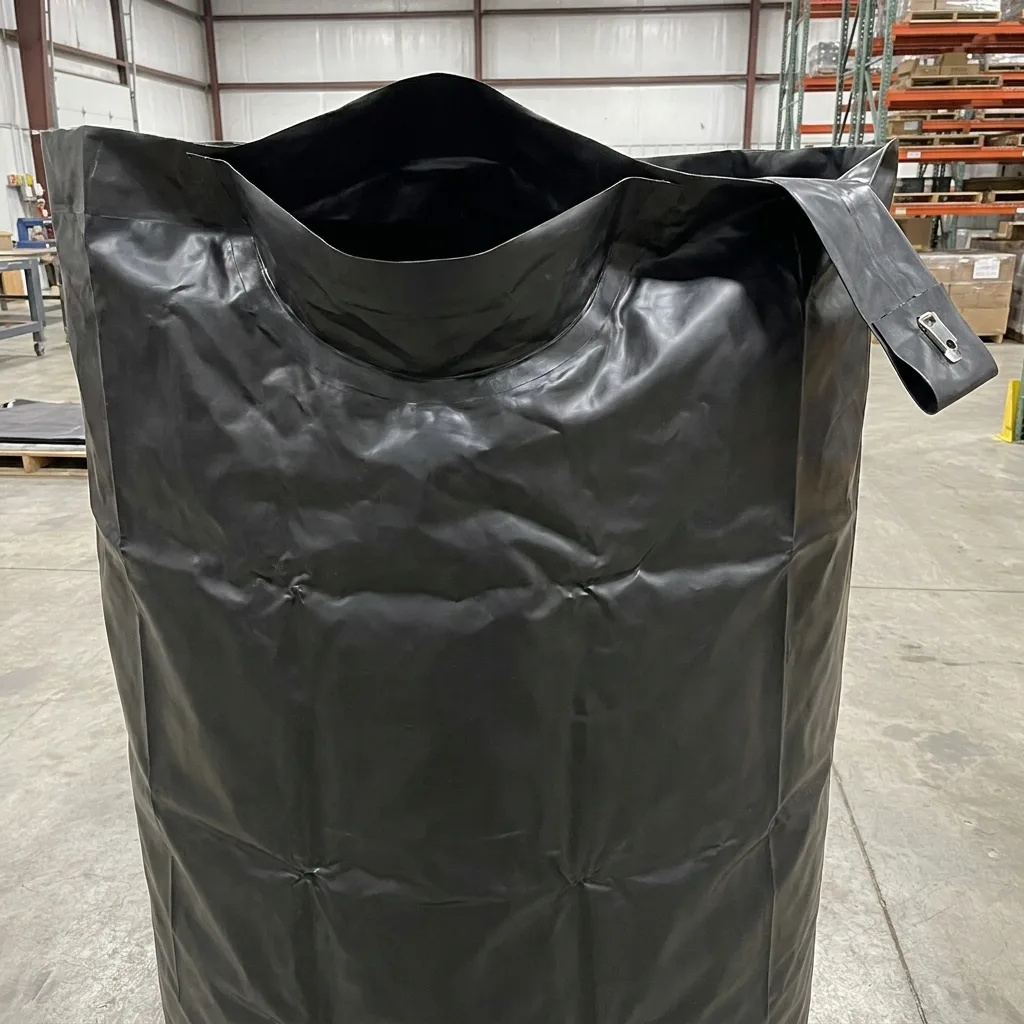
- Type C or Type D FIBCs with a conductive liner, specified together.
- A conductive aluminium liner where a product needs both static control and a barrier — replacing a slow, error-prone double-lining step.
Secondary containment without civil work
Drum stores, IBC storage, refuelling points, transformer and generator bases and temporary work areas all need somewhere for a leak to go that is not the ground. A concrete bund is permanent and slow. A flexible spill bund in chemical-resistant PVC-coated fabric is placed and ready: the walls stand on their own and the whole unit folds flat for transport.
For site water, fuel or process liquid storage during shutdowns and projects, a collapsible bladder tank with its own support frame goes up in hours and moves to the next site.
Large vessels and drums
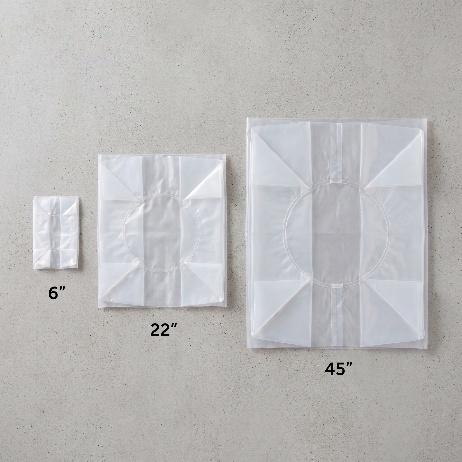
Refinery and petrochemical sites use drums and open-top vessels across a very wide range of sizes. GI PackTech makes round liners in any internal diameter from 6 to 100 inches, so a liner fits the actual vessel rather than the nearest stock size — see reactor, vessel and tank liners.
What to send
- The product, its data sheet and whether it is flammable or handled near solvent vapour
- Container, drum or vessel dimensions, or the container type and size for bulk shipping
- Storage period, route and climate
- Annual quantity and destination
The reply is a specification and a sample for trial, from a plant that makes the film, the liner and the seal itself.
Frequently asked questions
How are polymer granules shipped in bulk?
Most efficiently loose in a container liner: a single bag fabricated to the inside of a 20 or 40 foot container, filled through a top or door-end spout and discharged by tipping the container. For polymers, a laminated woven or welded PE film liner keeps out moisture and the residues of previous cargo, and removes the cost of sacks and pallets.
What packaging is used for refinery catalysts?
Catalysts are usually moisture sensitive and high value, so they are packed in drums or FIBCs with an aluminium foil laminate liner — typically 5 or 6 layers — sealed to keep permeation at the seal minimal. Where the catalyst is also handled near flammable vapour, a conductive aluminium liner gives static control and barrier in one construction.
What is a spill containment bund?
A spill bund is a tray that holds any leak from drums, IBCs, pumps, generators or vehicles standing in it, so the spill does not reach soil or drains. A flexible bund made from chemical-resistant PVC-coated fabric has self-supporting walls, needs no civil work, and folds flat to move to the next site.