Industry guides
Drum Liners for Lubricants and Base Oils: Cleaner Product, Reusable Drums
How lubricant and base oil blenders use drum liners and spouted liners to cut residue, stop drum scrapping and keep each batch clean.
Key takeaways
- Without a liner, a lubricant drum loses product as wall residue and usually needs cleaning or scrapping after one trip.
- A liner made to the measured drum leaves less residue than a loose stock size.
- An integrated spout keeps the batch sealed between draws — the main cause of slow degradation in opened drums.
- The spout seal is the weak point, so it should be factory welded and tested, not fitted in the field.
- Liners turn a one-trip drum into a returnable asset for plant-to-distributor routes.
Where a lubricant drum loses money
A lubricant or base oil operation running steel or plastic drums is losing money in three places, and usually only one of them is on anybody's report:
- Residue. Oil clings to the drum wall and the base. Every drum leaves product behind that was paid for, blended and filled.
- The drum itself. Once product has touched the wall, the drum has to be cleaned, reconditioned or sold as scrap. A drum that could have made many trips makes one.
- The batch. A drum opened again and again for draws exposes the whole batch to air, moisture and dust every time. The product degrades a little with each opening.
A drum liner closes the first two gaps. A liner with an integrated dispensing spout closes all three.
How a liner changes the drum economics
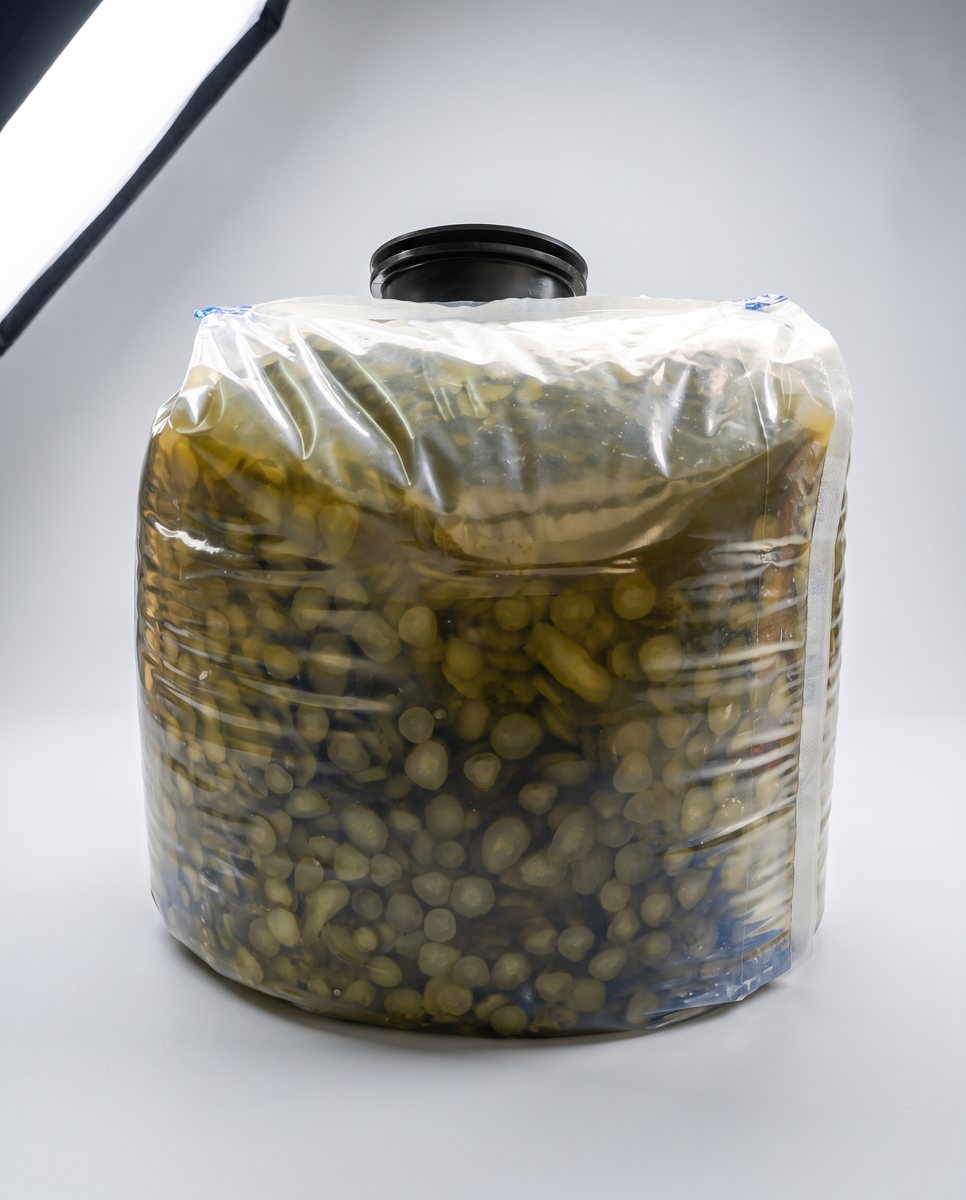
A liner sits inside the drum and holds the product, so the drum wall never touches it. When the drum is empty, the liner — and the residue clinging to it — comes out, and the drum is clean.
That changes what a drum is. Instead of a one-trip container that is scrapped or reconditioned, it becomes a returnable asset that travels from plant to distributor and back on a regular route. For operations with sustainability targets or extended producer responsibility obligations, that is the difference between disposing of a drum and reusing one.
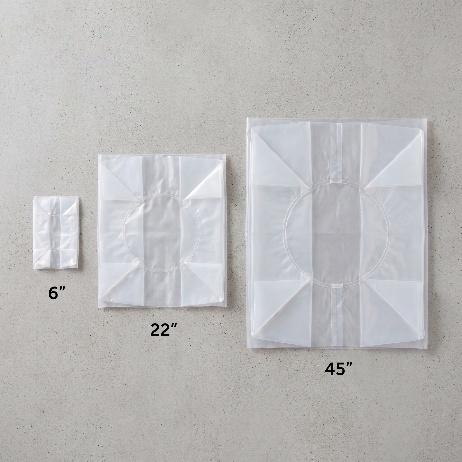
A liner made to the measured drum matters here. A liner that is too large folds and creases, and product gets trapped in the folds. One that is too small is stressed at the seams under the weight of the oil. GI PackTech makes liners to the drum's measured internal diameter and height, in any diameter from 6 to 100 inches — see how to measure a drum for a liner.
The integrated dispensing spout
With an ordinary liner, the drum still has to be opened every time product is drawn. With a drum liner with an integrated dispensing spout, the operator draws only what is needed through the spout and the rest of the product stays sealed.
| No liner | Plain liner | Liner with integrated spout | |
|---|---|---|---|
| Product touches the drum wall | Yes | No | No |
| Drum reusable without cleaning | No | Yes | Yes |
| Residue left in the drum | High | Low | Low |
| Batch exposed on every draw | Yes | Yes | No |
| Controlled, measured dispensing | No | No | Yes |
Why the spout seal matters
The joint between the spout and the film is the weak point of any spouted liner. A spout fitted in the field, by whoever is holding the liner, is the usual source of leaks. GI PackTech welds the spout fitment under controlled conditions on its own line and tests it before dispatch, and has run the fitment across PE, EVOH, aluminium laminate and conductive films — so a spout does not mean giving up barrier or static protection.
Spout size, type and position, liner diameter and height, gusset and bottom shape are all specified per order to suit the existing drum fleet and filling line.
Choosing the film
| Situation | Film |
|---|---|
| Most lubricants and base oils | Multilayer co-extruded polyethylene |
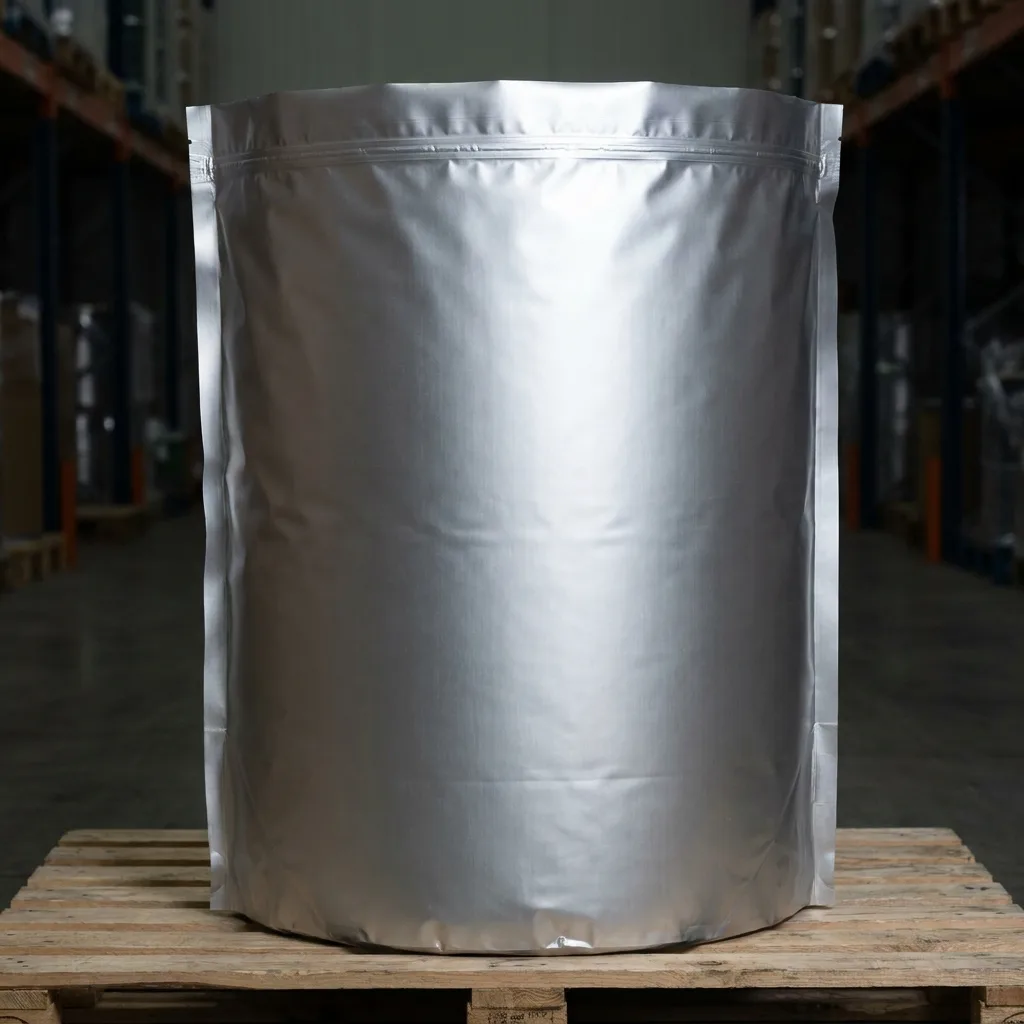
| Long storage where moisture or oxygen pick-up degrades the product | Aluminium barrier liner or EVOH structure |
| Solvent-containing products or flammable atmospheres | Conductive film with a defined grounding arrangement |
| Hot filling | Film specified against the fill temperature — send it with the enquiry |
Beyond drums: 1,000-litre loads
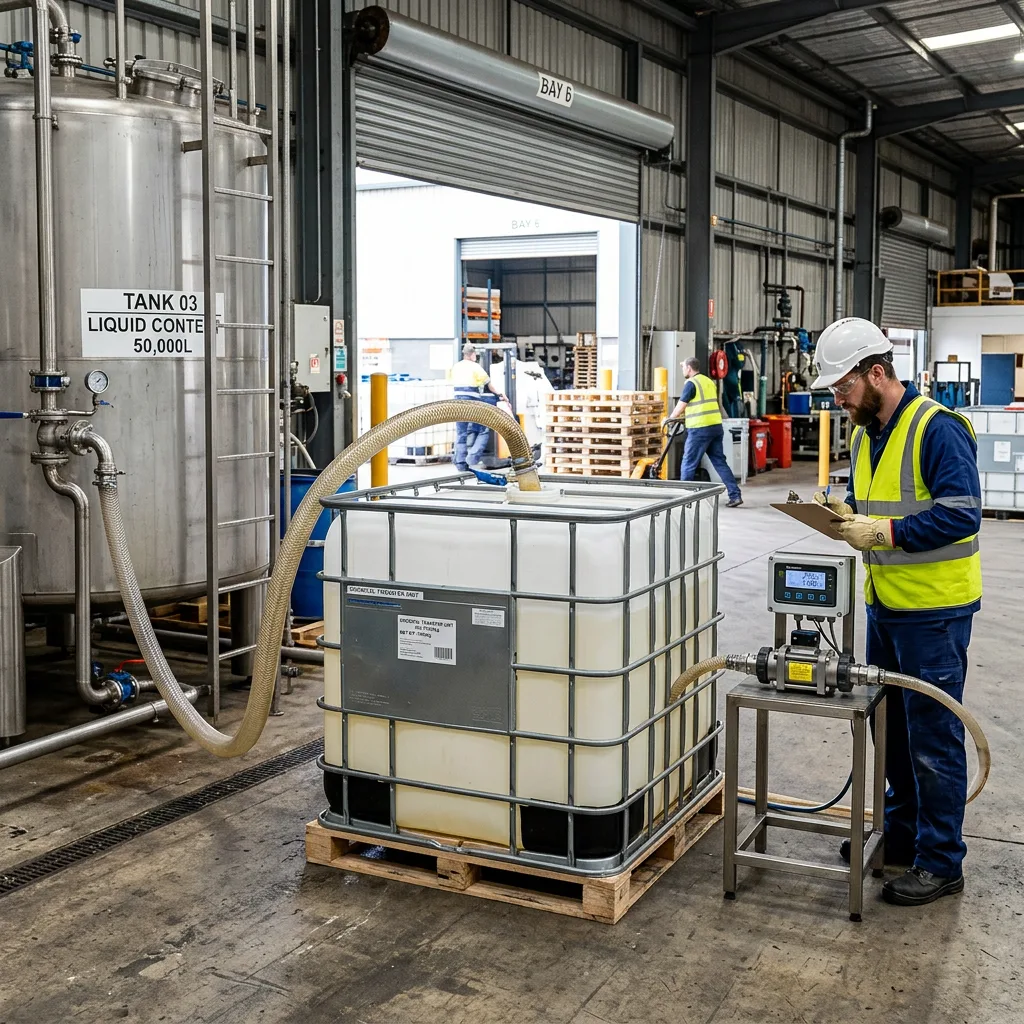
Where oils, water-based products or industrial fluids move in IBC-sized quantities, a liquid flexi bag of 1,000 to 1,500 litres removes the rigid container altogether — there is nothing to clean, track or bring back. The comparison is set out in flexi bags vs IBCs vs drums.
What to send
- The product and its data sheet, with the fill temperature
- The drum type (steel, plastic, fibre; open-top or tight-head) and its measured internal diameter and height — or one sample drum
- Whether a spout is wanted, and how product is drawn today
- Annual drum count and whether drums return on a regular route
A trial liner is made to your drum before bulk production, so the fit and the spout are proved on your own line.
Frequently asked questions
Why use a drum liner for lubricants?
Because the drum is worth keeping. Without a liner, oil clings to the drum wall, product is lost as residue, and the drum has to be cleaned, reconditioned or scrapped. With a liner, the drum wall never touches the product, residue drains with the liner, and the drum can go back into service. It also keeps each batch free of scale and contamination from the drum.
What is a drum liner with an integrated dispensing spout?
It is a drum liner with a discharge spout welded into it in the factory. The operator draws only the quantity needed through the spout, and the rest of the product stays sealed inside the liner. The drum is not opened on every draw, so the batch is not exposed to air, moisture and dust each time, and the drum stays clean for reuse.
Which film is used for lubricant drum liners?
Multilayer polyethylene is the usual choice for lubricants and base oils. Where moisture or oxygen pick-up degrades the product over a long storage period, an aluminium barrier or EVOH structure is specified instead. GI PackTech confirms the film against the product data sheet, including the fill temperature, before quoting.