Innovation and sustainability
Sustainable Industrial Packaging: Reuse, Less Material and Fewer Failures
Practical ways to cut industrial packaging's footprint: reusable drums with liners, thinner co-extruded films, mono-material PE and reusable covers.
Key takeaways
- A rejected batch or a corroded machine outweighs the footprint of the packaging that failed to protect it.
- A drum liner turns a one-trip drum into a reusable one; only the liner is discarded.
- Co-extruded films deliver the same strength from less material.
- Single-material polyethylene liners and covers are the most straightforwardly recyclable.
- Multilayer aluminium laminates trade recyclability for a barrier no single material gives — use them where the product needs it.
Start with what the packaging protects
Industrial packaging is a small fraction of the value — and of the embodied energy — of what it protects. A tonne of specialty chemical, a pharmaceutical intermediate or a machine tool represents far more material and energy than the liner or cover around it.
So the first sustainability question is not "how do we use less packaging?" but "how do we stop losing product?" A caked batch, a contaminated drum, a corroded machine or a burst sack sends everything upstream of it to waste. Specifying the right protection — a barrier liner where moisture is the threat, a sealed cover where corrosion is — is the largest single gain available.
Reuse: let the rigid container live longer
The heaviest packaging in most plants is the rigid kind — steel drums, IBCs, concrete bunds. Flexible packaging can make those last.
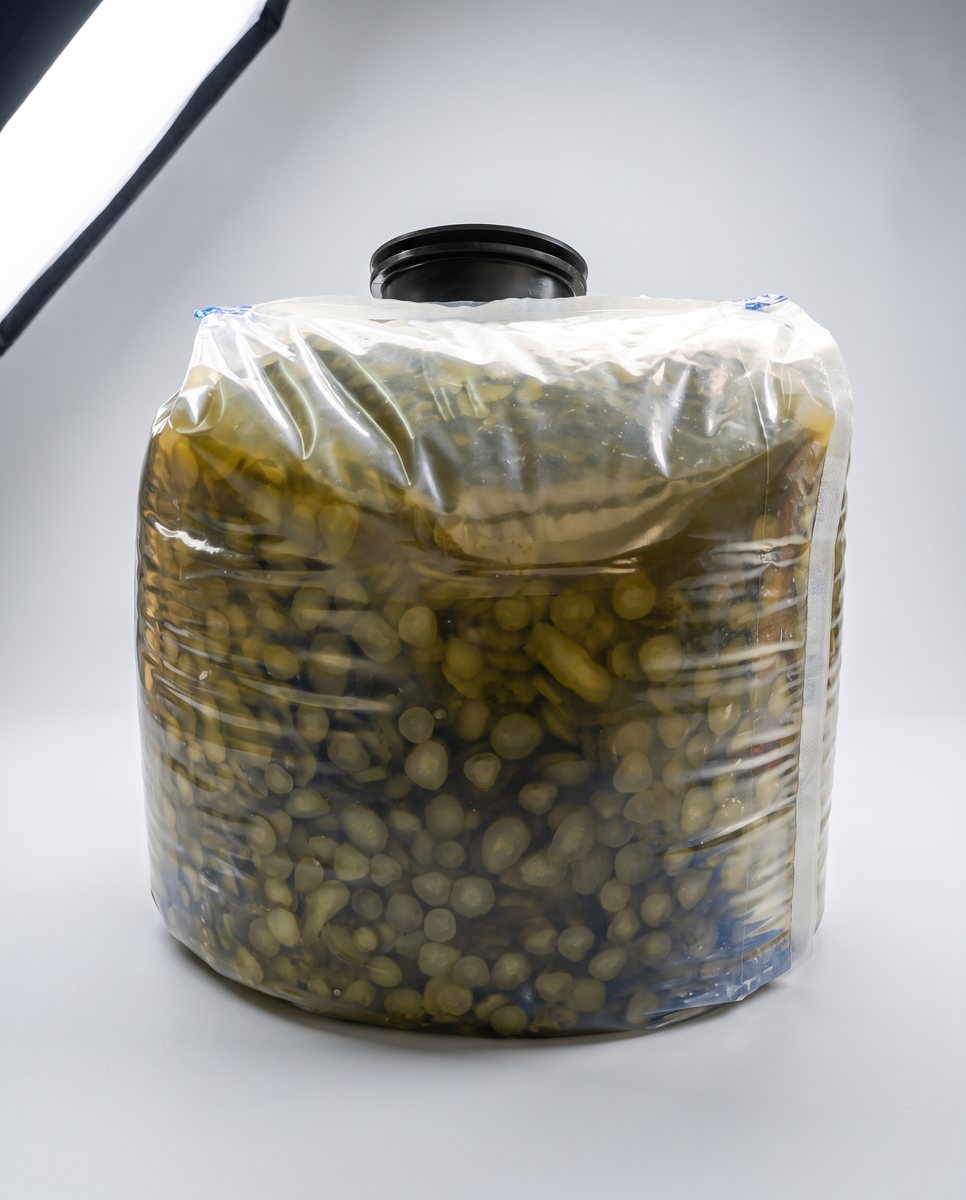
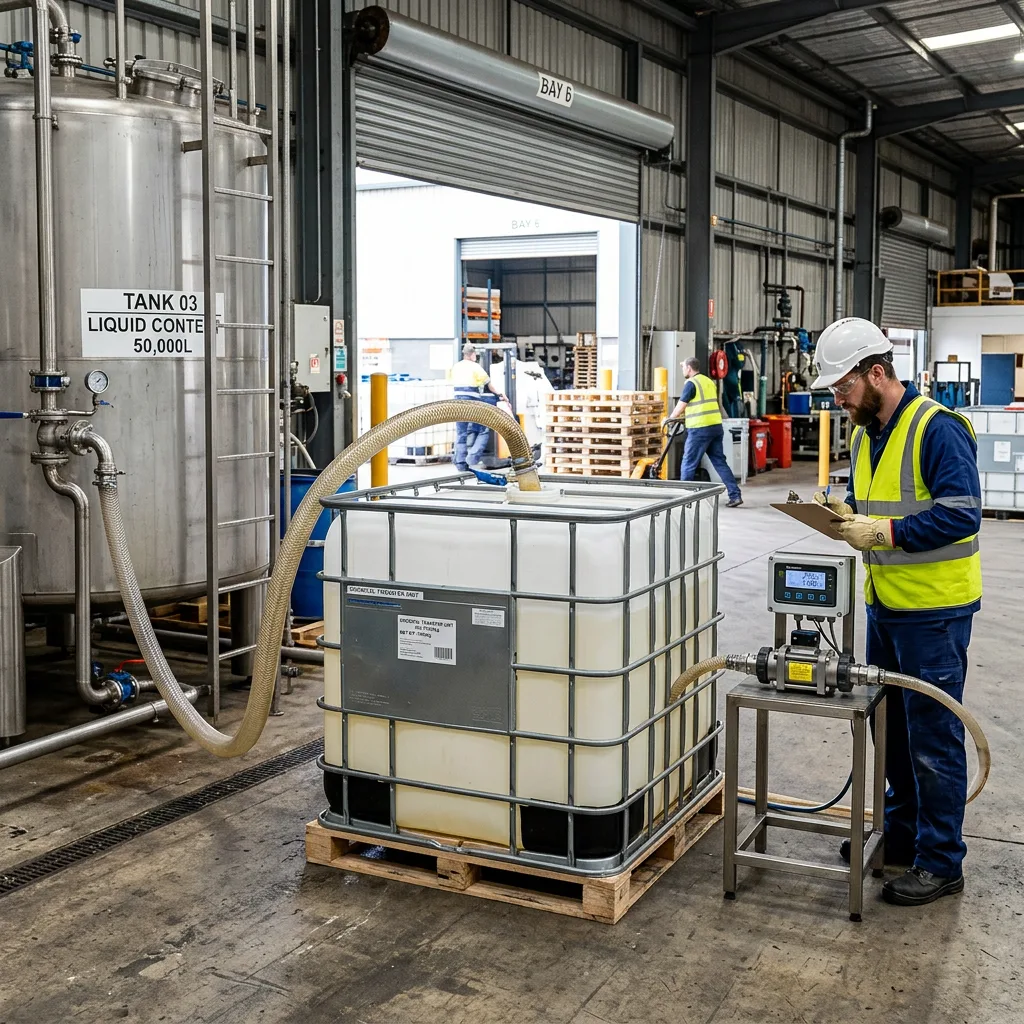
- Drum liners. With a liner, the product never touches the drum wall, so the drum can be reused instead of scrapped or reconditioned. Only the liner is discarded. A spouted drum liner also keeps the batch sealed between draws. For operations with sustainability targets or extended producer responsibility duties, this turns a throwaway drum into a returnable asset — see drum liners for lubricants.
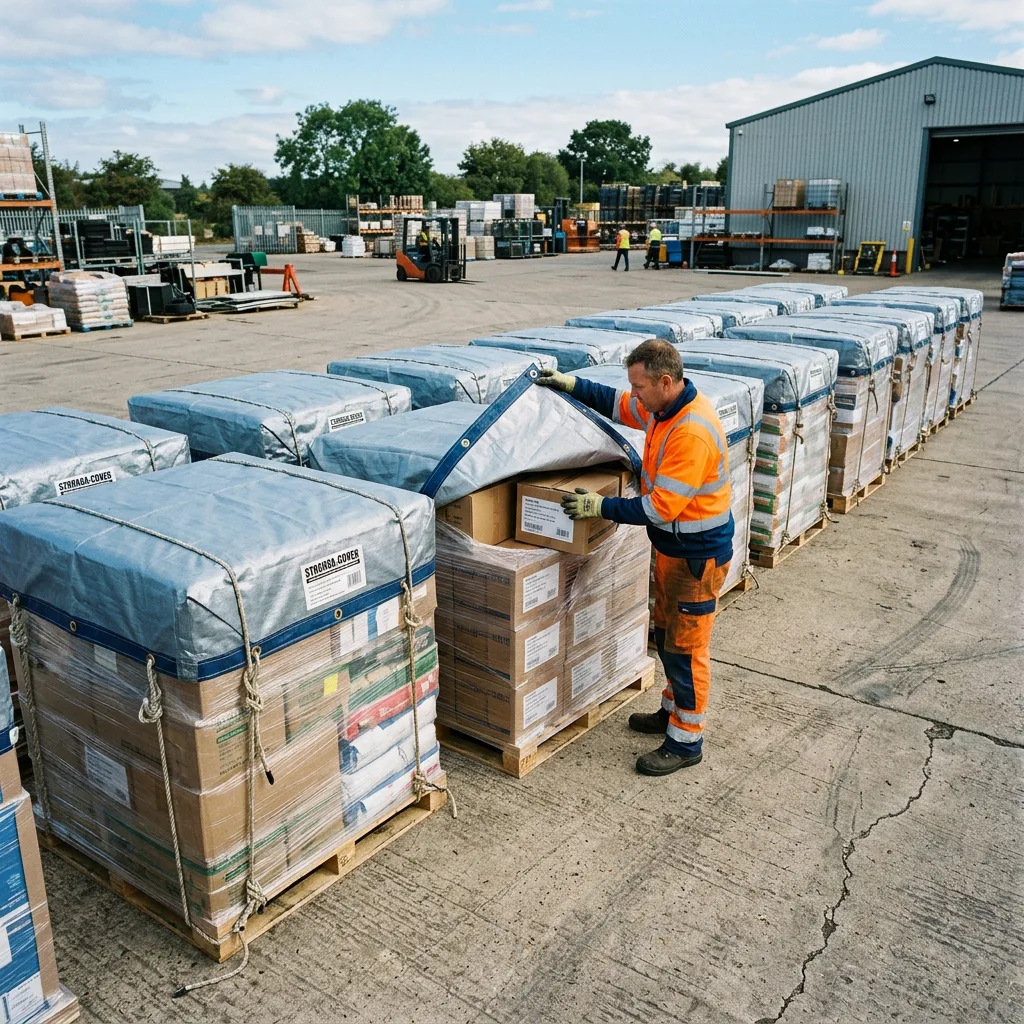
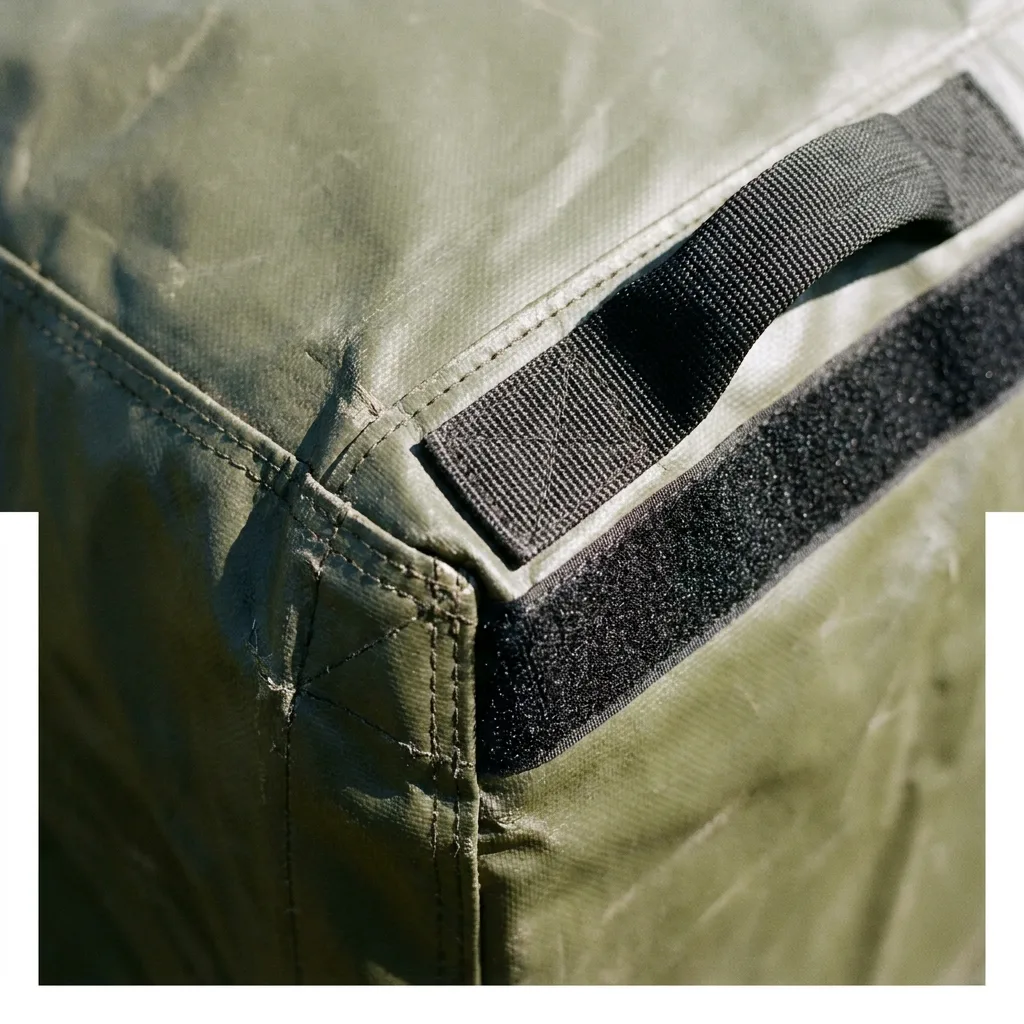
- Reusable covers. Woven laminated and PVC-coated fabric covers replace single-use film covers that are bought again every time and often end up as litter around a plant.
- Flexible bunds and tanks. A spill bund or bladder tank that folds flat moves from site to site, where a concrete bund or fixed tank is built once and left behind.
Less material: engineered films
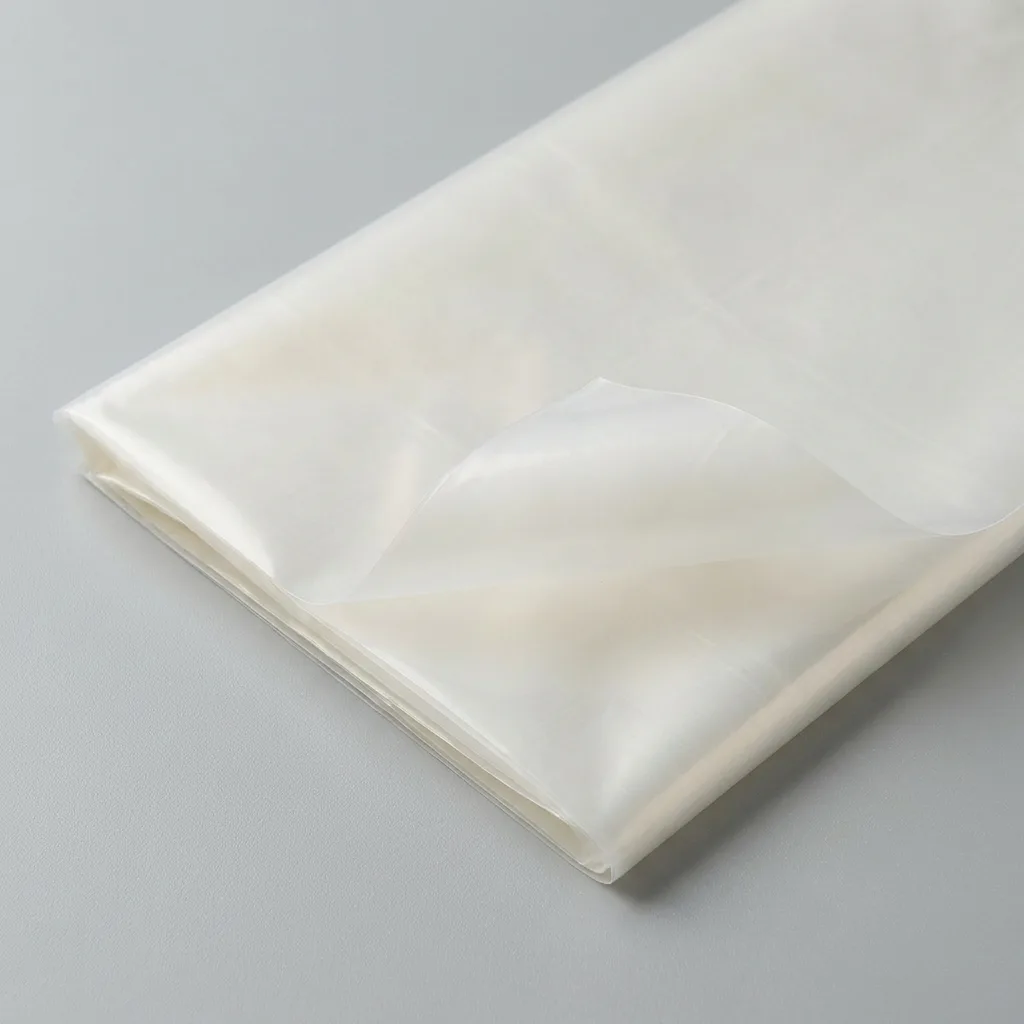
Thickness is an outcome, not a starting point. A co-extruded film puts different polyethylene grades in different layers, giving more strength and puncture resistance from less material than a thicker single-layer film. Replacing an over-thick plain liner with a thinner engineered one is a straight reduction in material, with no loss of performance — see the multilayer plastic liner.
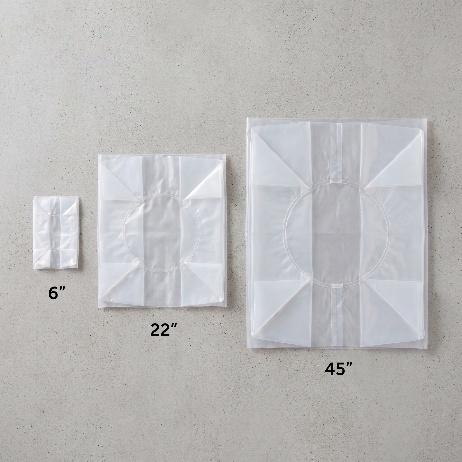
Shipping formats matter too. A container liner replaces hundreds of sacks, their pallets and wrap with one liner, and a liquid flexi bag removes the empty return journeys of an IBC fleet.
Recyclability: choose mono-material where you can
| Construction | Recyclability | Use it when |
|---|---|---|
| Single-material polyethylene | Most straightforward | Contamination protection and strength are enough |
| Co-extruded polyethylene (all PE layers) | Treated as polyethylene | You need more strength from less material |
| EVOH co-extruded with PE | Small barrier layer in a PE structure | Oxygen is the threat |
| Aluminium foil laminate | Difficult — mixed materials | Moisture or gas would otherwise ruin the product |
| PVC | Separate stream; check locally | Only PVC is compatible with the product |
The honest position is that multilayer aluminium laminates trade recyclability for a barrier no single material can give. Use them where the product needs that barrier, and mono-material polyethylene everywhere else. Recyclability also depends on what the packaging held — liners from hazardous products must be handled as that product's rules require.
Regulation is moving in the same direction
Producer responsibility for plastic packaging is spreading. In India, extended producer responsibility under the Plastic Waste Management Rules places obligations on producers, importers and brand owners. In the European Union, the Packaging and Packaging Waste Regulation (PPWR) is raising requirements on recyclability, reuse and minimisation in stages. Exporters to the EU should ask their customers which requirements apply to industrial and transport packaging on their route, and specify with that in mind.
A practical order of priorities
- Protect the product — the right barrier, static control or corrosion protection.
- Reuse what is rigid — liners for drums, reusable covers, folding bunds.
- Use less material — engineered co-extruded films instead of thicker plain ones.
- Choose mono-material where no multilayer barrier is needed.
- Ship smarter — container liners and flexi bags instead of sacks and returnable IBCs where the route suits.
Show GI PackTech the liner or cover you use now, and you will be told whether a thinner engineered structure would outperform it.
Frequently asked questions
What is the most sustainable industrial packaging?
The packaging that prevents the product being lost, used with the least material and reused where possible. A spoiled batch, a corroded machine or a burst sack wastes far more energy and material than the packaging itself, so the right protection comes first; then reuse, then less material, then recyclability.
Are drum liners recyclable?
Single-material polyethylene drum liners are the most straightforwardly recyclable, subject to what they held and the recycling available locally. Liners that held hazardous products must be handled as the product's rules require. Multilayer aluminium laminates are harder to recycle, and are justified only where the product needs their barrier.
How do drum liners reduce waste?
By keeping the product off the drum wall, so the drum can be reused instead of being scrapped or reconditioned after every trip. Only the thin liner is discarded. Less product is also lost as residue, and a liner with a dispensing spout keeps the batch sealed between draws, so less product degrades before it is used.