Barrier and moisture
EVOH vs Aluminium Barrier Liners: Oxygen Barrier or Moisture Barrier?
EVOH and aluminium foil laminate compared: what each barrier liner stops, where it fails, and which to specify for your product.
Key takeaways
- EVOH is an oxygen barrier; aluminium foil is a near-total barrier to moisture, oxygen and light.
- EVOH loses barrier when wet, so it is always co-extruded between protective polyethylene layers.
- Aluminium laminate barrier is won or lost at the heat seal and in flex cracking, not through the foil.
- EVOH liners are flexible and translucent; aluminium liners are opaque and stiffer.
- Ask for the structure layer by layer, and a side-by-side trial against your current liner.
Two barriers for two problems
When a product spoils in its packaging, the cause is almost always one of two things getting in: oxygen or moisture. They are stopped by different materials.
- Oxygen causes oxidation — colour drift, rancidity in oils and fats, fading aroma in flavours, loss of activity in some chemicals.
- Moisture causes caking, clumping, hydrolysis, loss of catalyst activity and nutrient loss in fertilisers.
Ordinary polyethylene stops neither for long. It is a good moisture barrier compared with paper and a poor oxygen barrier, and over weeks or months the product inside equalises with the air outside. The two high-barrier options are EVOH and aluminium foil laminate.
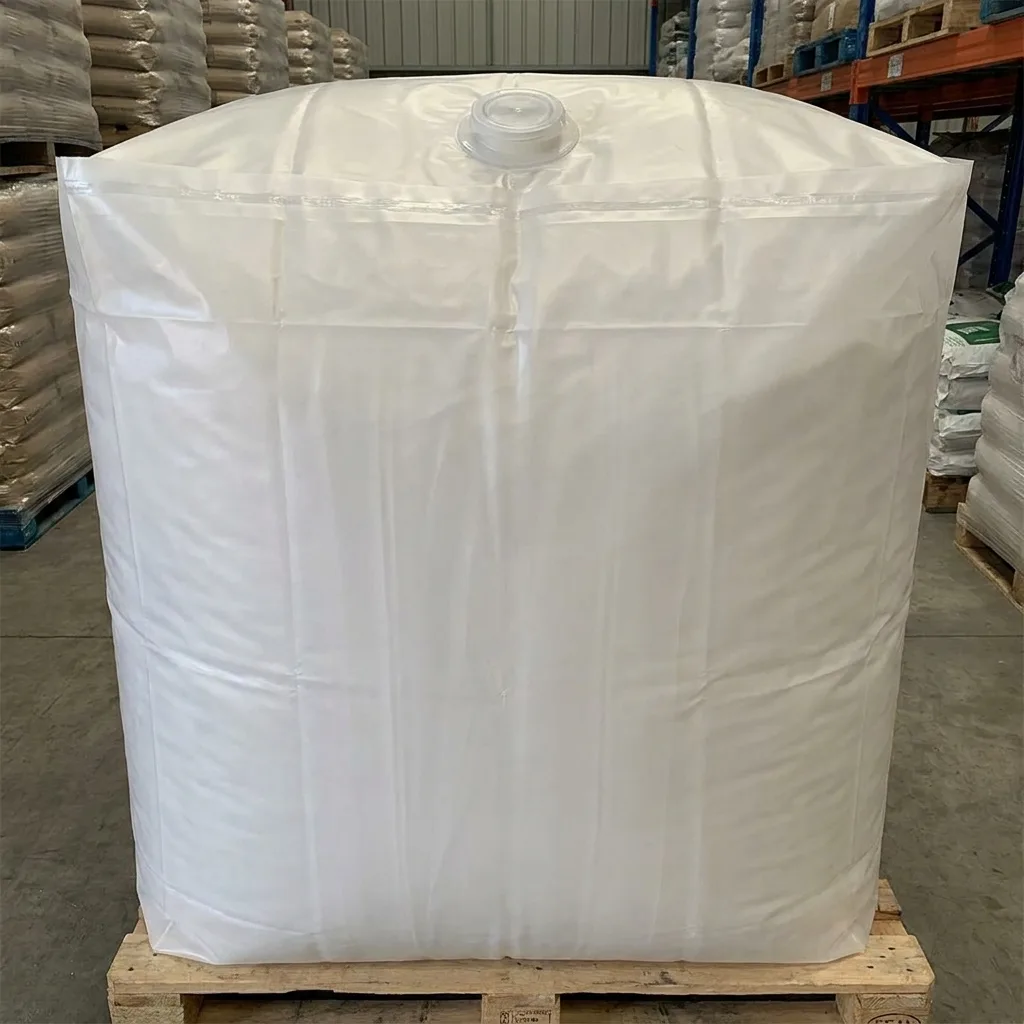
EVOH: the oxygen barrier that handles like PE
EVOH (ethylene vinyl alcohol copolymer) has one of the lowest oxygen transmission rates of any common packaging polymer — orders of magnitude lower than polyethylene. Its weakness is water: EVOH absorbs moisture, and its oxygen barrier falls as it does.
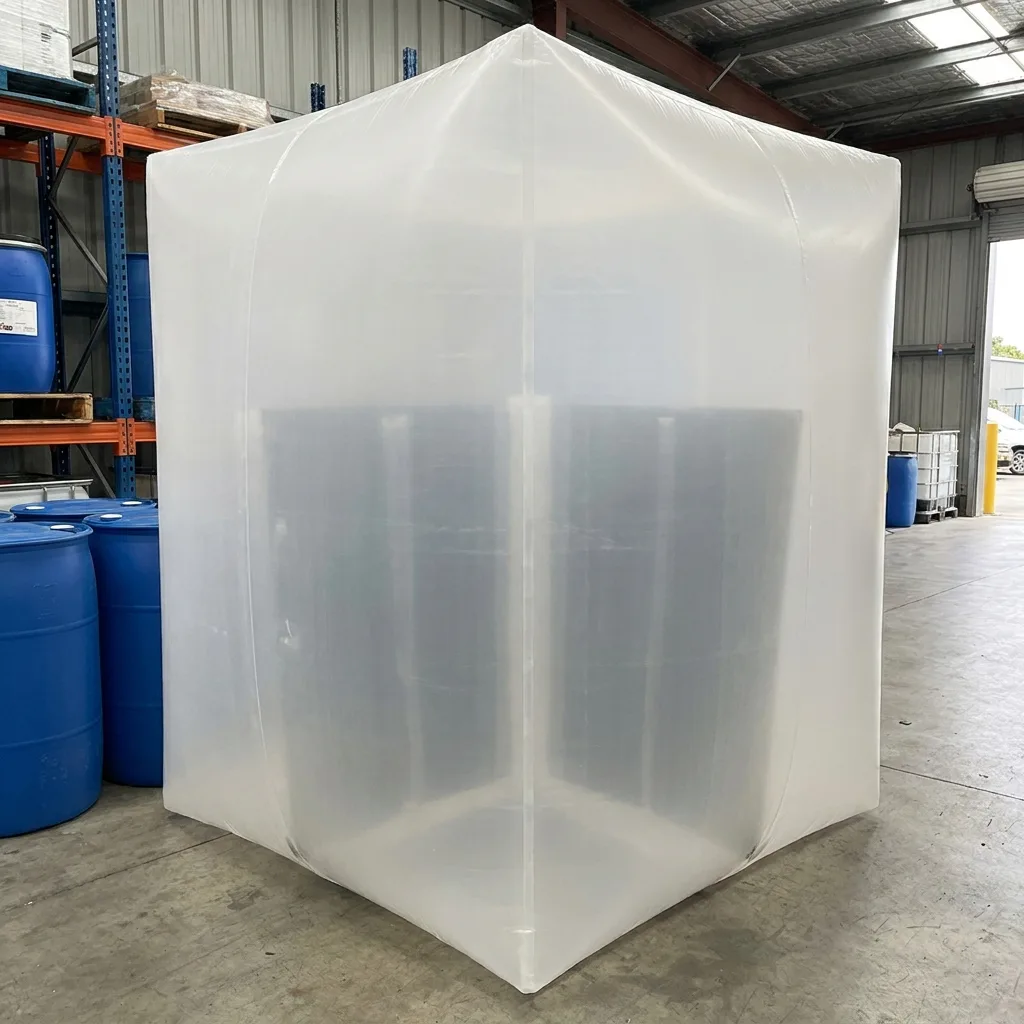
So EVOH is always used as a thin layer co-extruded between polyethylene skins. The polyethylene keeps moisture away from the EVOH; the EVOH stops the oxygen. The result is an EVOH barrier liner that seals, flexes and handles like an ordinary PE liner while giving a strong oxygen barrier.
Aluminium foil laminate: near-total barrier
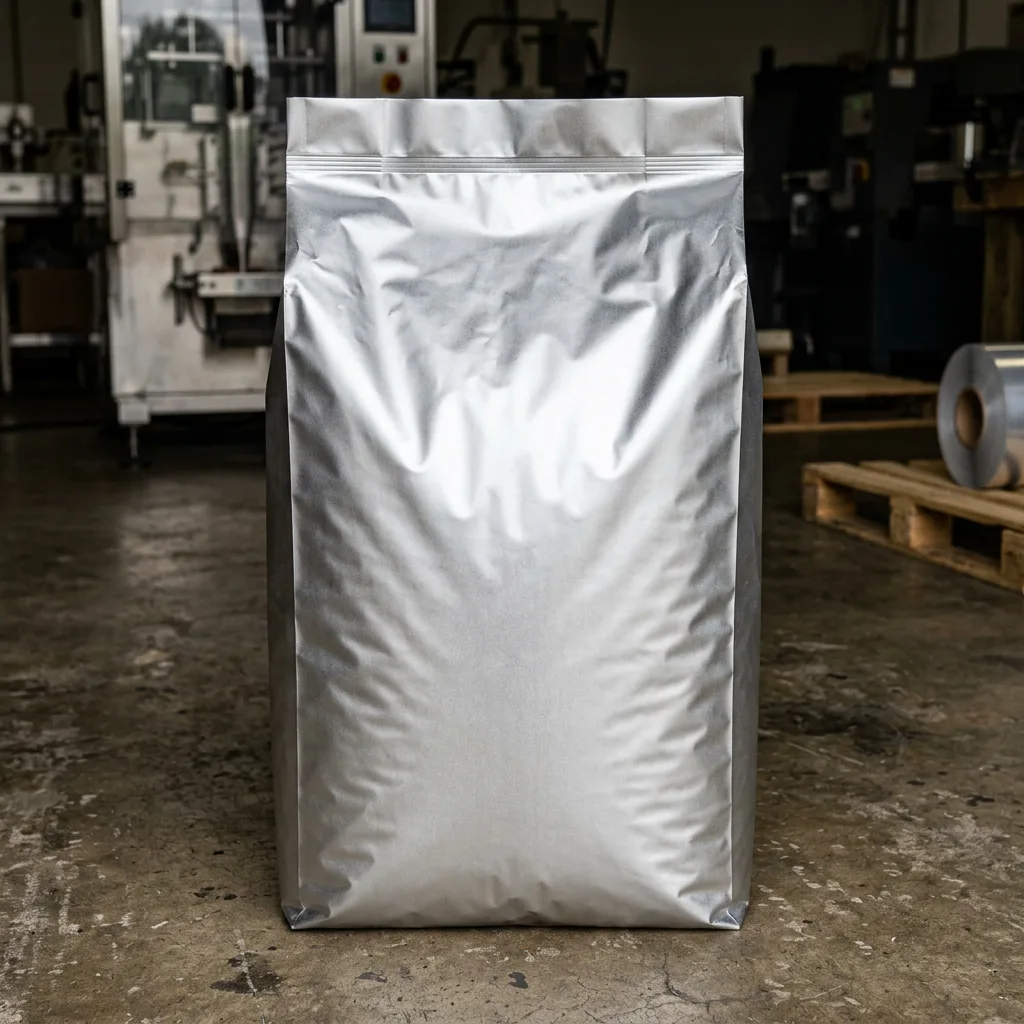
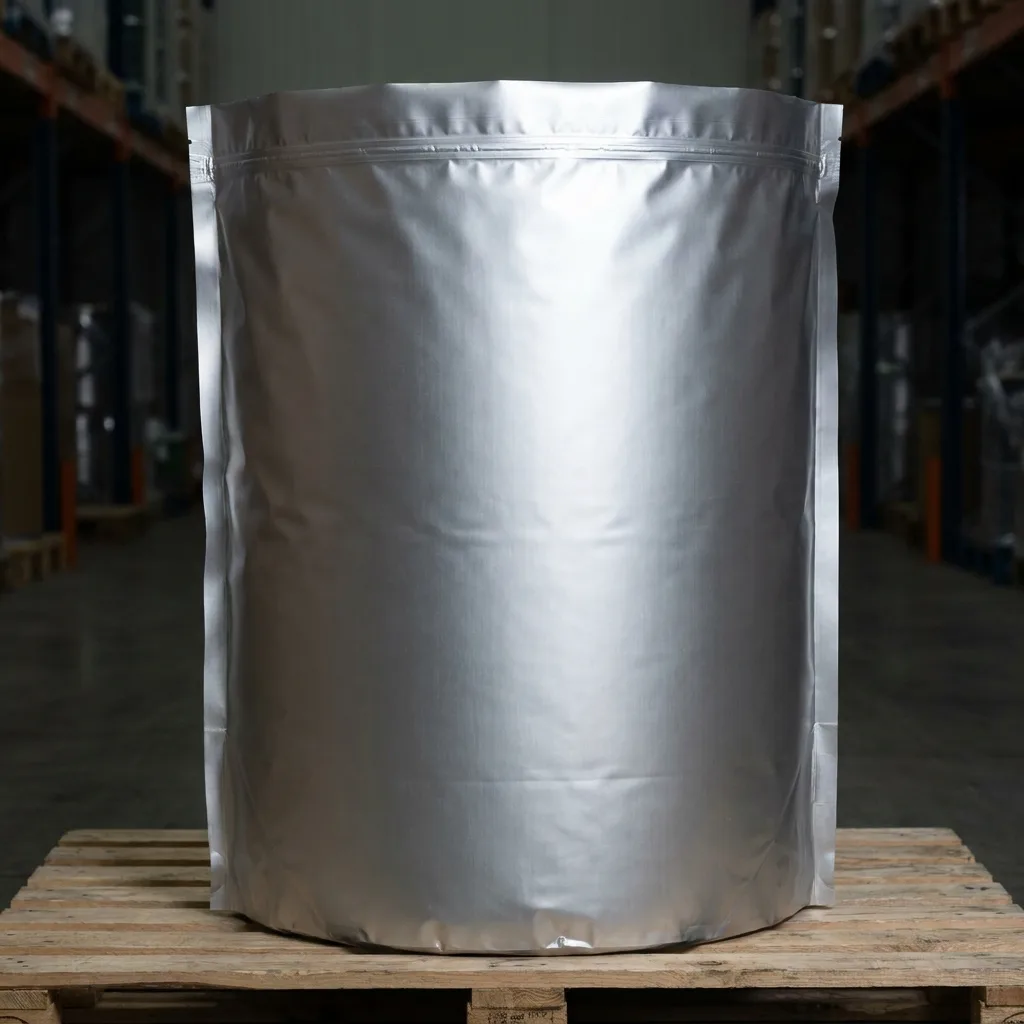
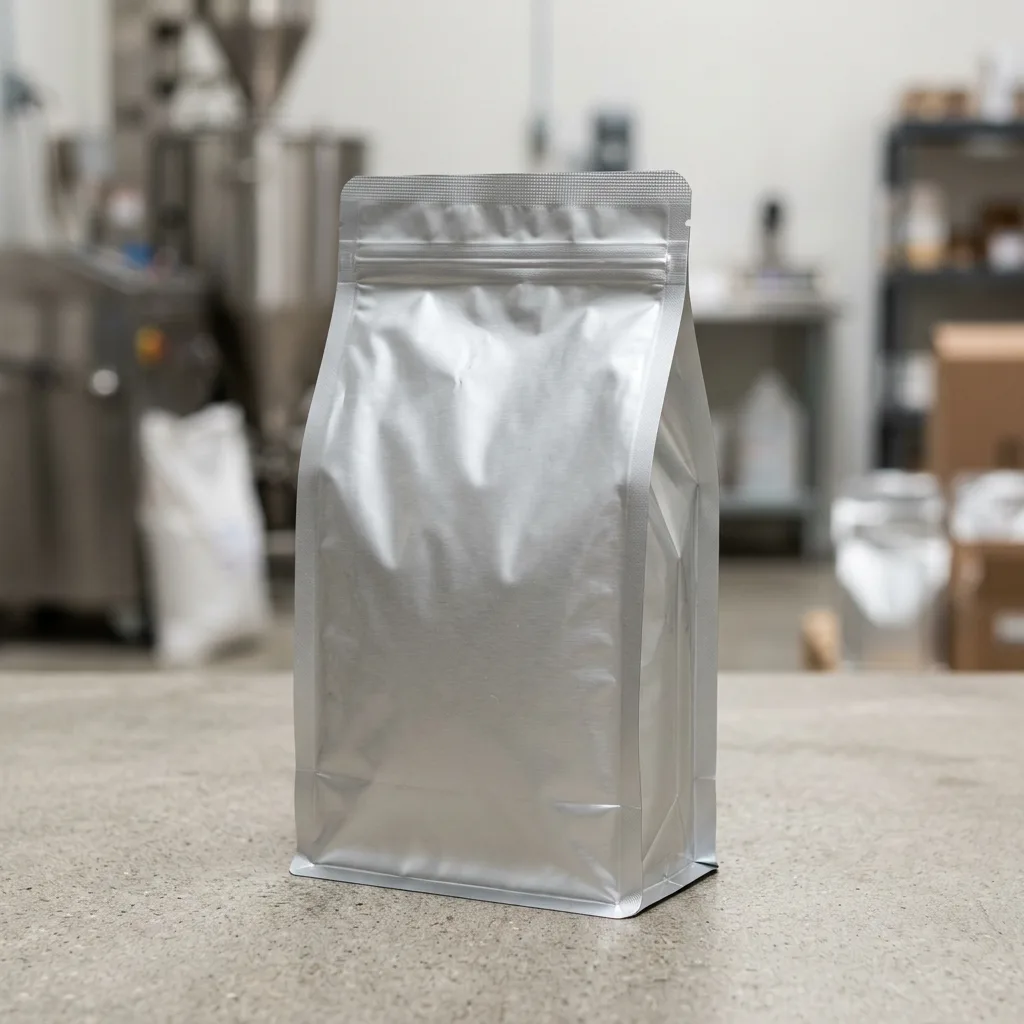
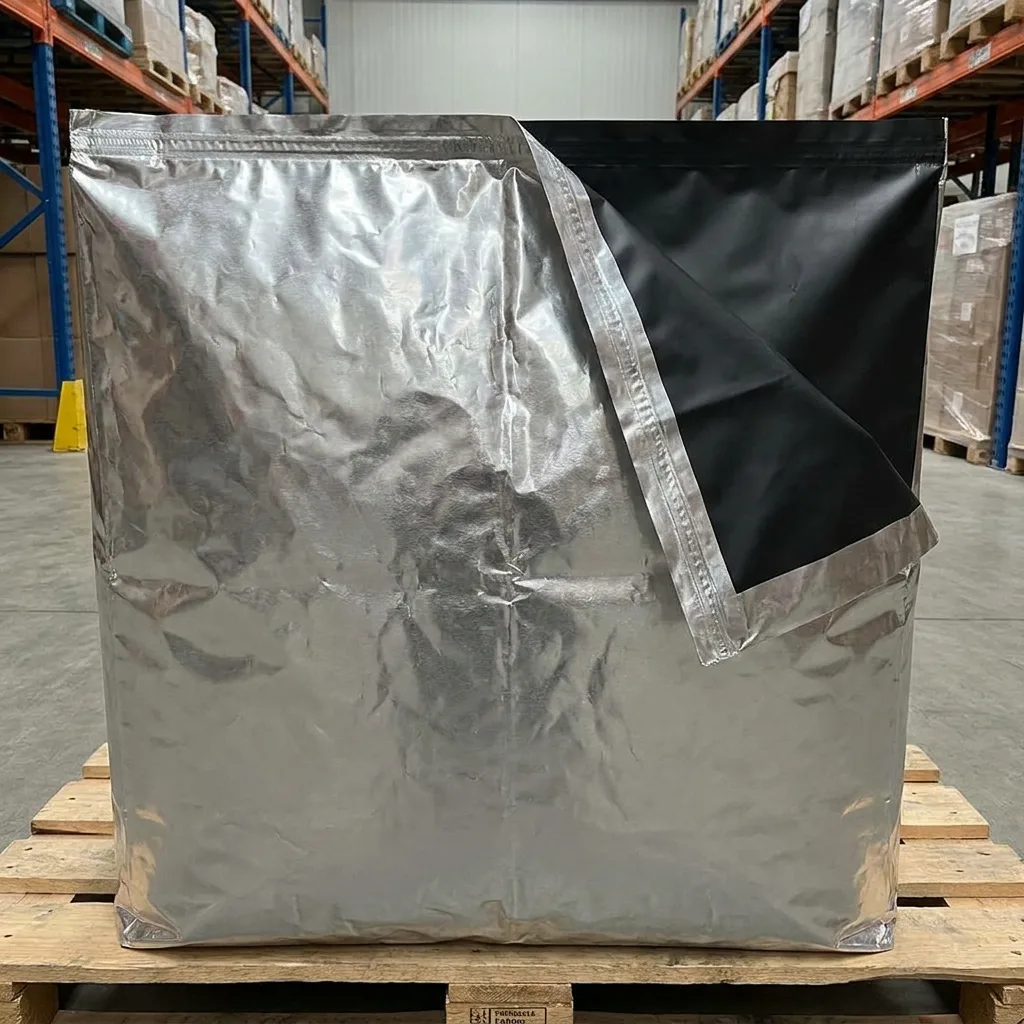
An aluminium laminate puts a layer of aluminium foil between polymer layers — typically polyester for strength and print, nylon for puncture resistance, and polyethylene as the sealing layer. Intact foil is effectively impermeable to water vapour, oxygen and other gases, and it blocks light.
Aluminium 5- and 6-layer liners are specified where the product is high value, the storage period is long, or the route passes through long spells of heat and humidity. The six-layer construction adds margin for the hardest routes.
Where aluminium fails
Because the foil itself stops almost everything, the paths that remain are:
- The heat seal, where the foil is interrupted and the sealing layer carries the barrier
- Flex cracks and pinholes from folding, filling and rough handling
- Punctures from sharp product or careless handling
That is why GI PackTech's development work on barrier liners has gone into the seal. A barrier film is only as good as its weakest seal, and most barrier failures happen there rather than through the film.
Side by side
| EVOH co-extruded liner | Aluminium foil laminate liner | |
|---|---|---|
| Oxygen barrier | Very high in normal humidity | Near total |
| Moisture barrier | Moderate — set by the PE layers | Near total |
| Light barrier | No — translucent | Yes — opaque |
| Flexibility and handling | Like a PE liner | Stiffer; must be handled with care |
| Main failure risk | Barrier falls if the EVOH gets wet | Seal quality, flex cracking, punctures |
| Box type and baffle shapes | Yes | Specified per application |
| Static control | With a conductive layer | As a conductive aluminium liner |
| Typical products | Food ingredients, oils and fats, resins, flavours | Hygroscopic powders, catalysts, pharma intermediates |
How to choose
- Which spoils the product — oxygen, moisture, or both? Oxygen only → EVOH. Moisture, or both → aluminium.
- How long, and through what climate? Long storage and humid routes favour aluminium.
- Is light a factor? If the product is light sensitive, aluminium.
- How is it handled? Heavy handling and repeated folding favour EVOH's flexibility, or an aluminium laminate built for it.
- Does it also need shape or static control? EVOH can be built into baffle and box type liners; aluminium can be combined with a conductive layer.
Prove it with a trial
The most reliable way to decide is a side-by-side trial: one batch in your current liner, one in the barrier liner, checked at the same interval for the property that matters — moisture content, peroxide value, colour, activity. GI PackTech runs these trials with buyers, and walks their technical team through the barrier structure layer by layer before sampling.
Frequently asked questions
Is EVOH or aluminium better for a barrier liner?
It depends on what spoils the product. EVOH is the better choice when oxygen is the problem and the liner must stay flexible and easy to handle — food ingredients, oils, flavours, resins. Aluminium foil laminate is better when moisture is the problem, or moisture and oxygen together, over a long storage or voyage — hygroscopic powders, catalysts, pharmaceutical intermediates.
Why does EVOH lose its barrier when wet?
EVOH is a hydrophilic polymer: it absorbs moisture, and absorbed moisture opens its structure to oxygen. That is why EVOH is never used on its own in a liner but is co-extruded between polyethylene layers, which are poor oxygen barriers but good at keeping moisture away from the EVOH. Together the layers give a strong oxygen barrier in normal conditions.
Where do aluminium barrier liners fail?
Almost always at the seal or through flex cracks, not through the foil. Intact foil is effectively impermeable, so the heat seal — where the foil is interrupted — and pinholes from folding and rough handling become the only paths for moisture and gas. A good aluminium liner is therefore defined by its seal specification and laminate structure, not just its layer count.