FIBC, liners and sacks
FIBC Liner Types: Loose, Form-Fit, Baffle, Box Type, Barrier and Conductive
Loose, form-fit, baffle and box type FIBC liners in PE, EVOH, aluminium and conductive film — and how to choose the right one for your product.
Key takeaways
- A liner is needed when the product would sift through the weave, needs a moisture or oxygen barrier, or must be kept hygienic.
- Loose tube liners are simplest; form-fit liners follow the bag's shape and discharge more completely.
- Baffle and box type liners hold the load square for better stacking and container fill.
- EVOH is the oxygen barrier; aluminium laminate the moisture and gas barrier; conductive film the static control.
- Shape and material can be combined — an EVOH or conductive liner can also be a box or baffle liner.
Why the liner matters more than the bag
Bulk bags are usually bought on price, and the woven polypropylene bag is the part buyers compare. But the bag's job is mechanical — to lift and carry the load. The liner inside it decides everything that touches the product: the barrier against moisture and oxygen, the static behaviour, the hygiene, and how much residue is left behind.
That is why GI PackTech specifies the liner against the product, not against the bag.
When an FIBC needs a liner
- Fine powders that would sift through the weave
- Moisture-sensitive products — hygroscopic powders, fertilisers, cement additives
- Oxygen-sensitive products — food ingredients, oils, flavours, some chemicals
- Hygiene — food and pharmaceutical products that must not touch the fabric
- Static — flammable powders, where a conductive liner is part of a static-safe system
- Aggressive chemicals that need a specific contact film
Liner shapes
| Shape | What it is | Best for |
|---|---|---|
| Loose tube | A tube of film inserted into the bag, often with a top and bottom spout | General use, lowest cost, easy to change |
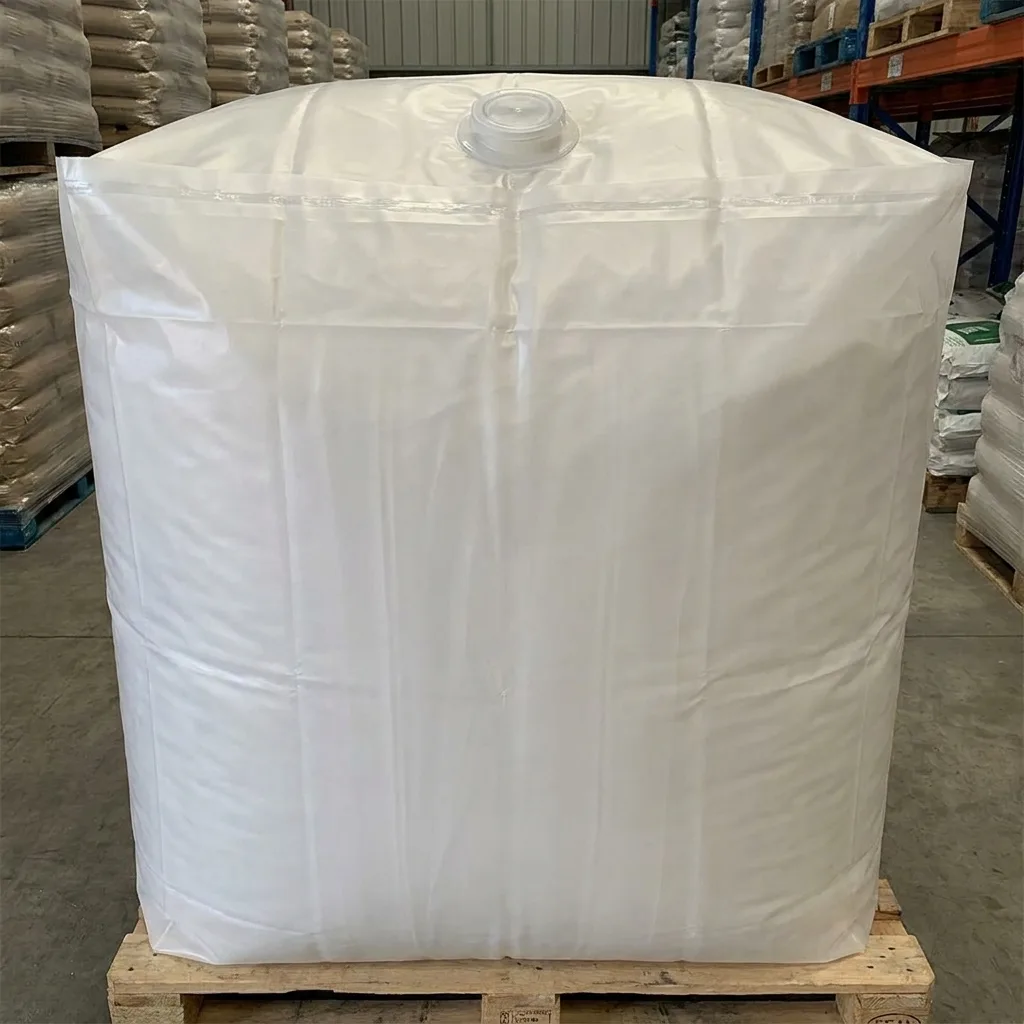
| Form-fit | Shaped to the bag's interior, spouts included, usually attached to the bag | Complete discharge, less residue, automated filling |
| Baffle (gambo) | Internal baffles hold the liner square as it fills | Stacking, container fill, square loads with a barrier |
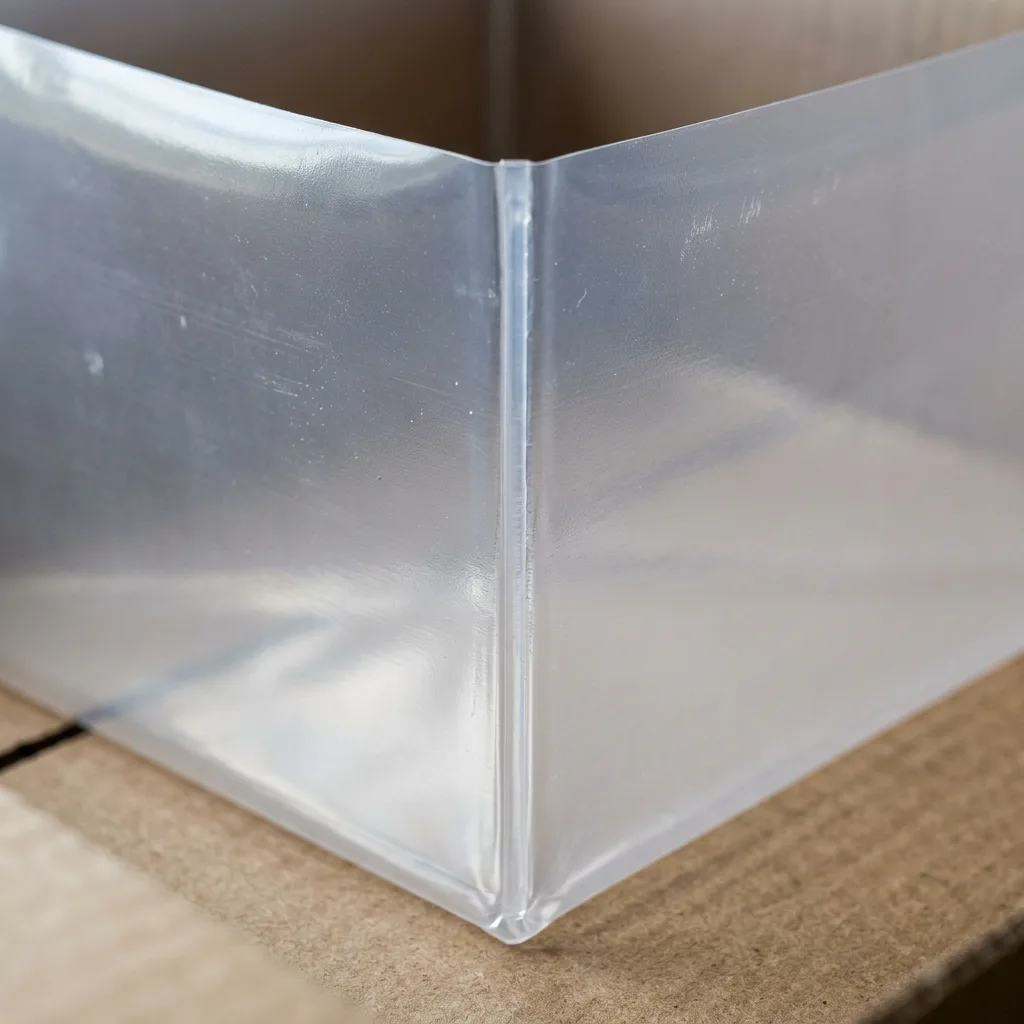
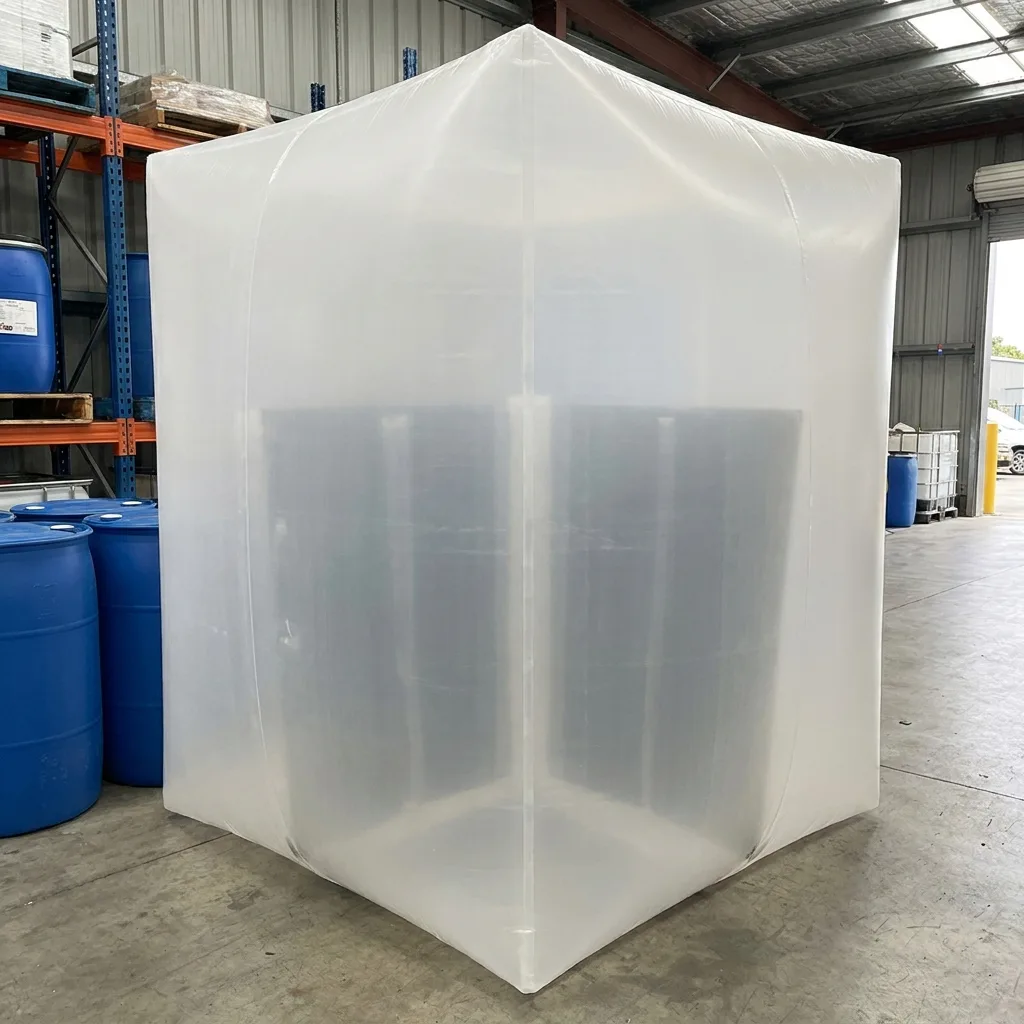
| Box type | Pre-formed square profile that opens square in the bag | Faster filling, fewer creases, full use of volume |
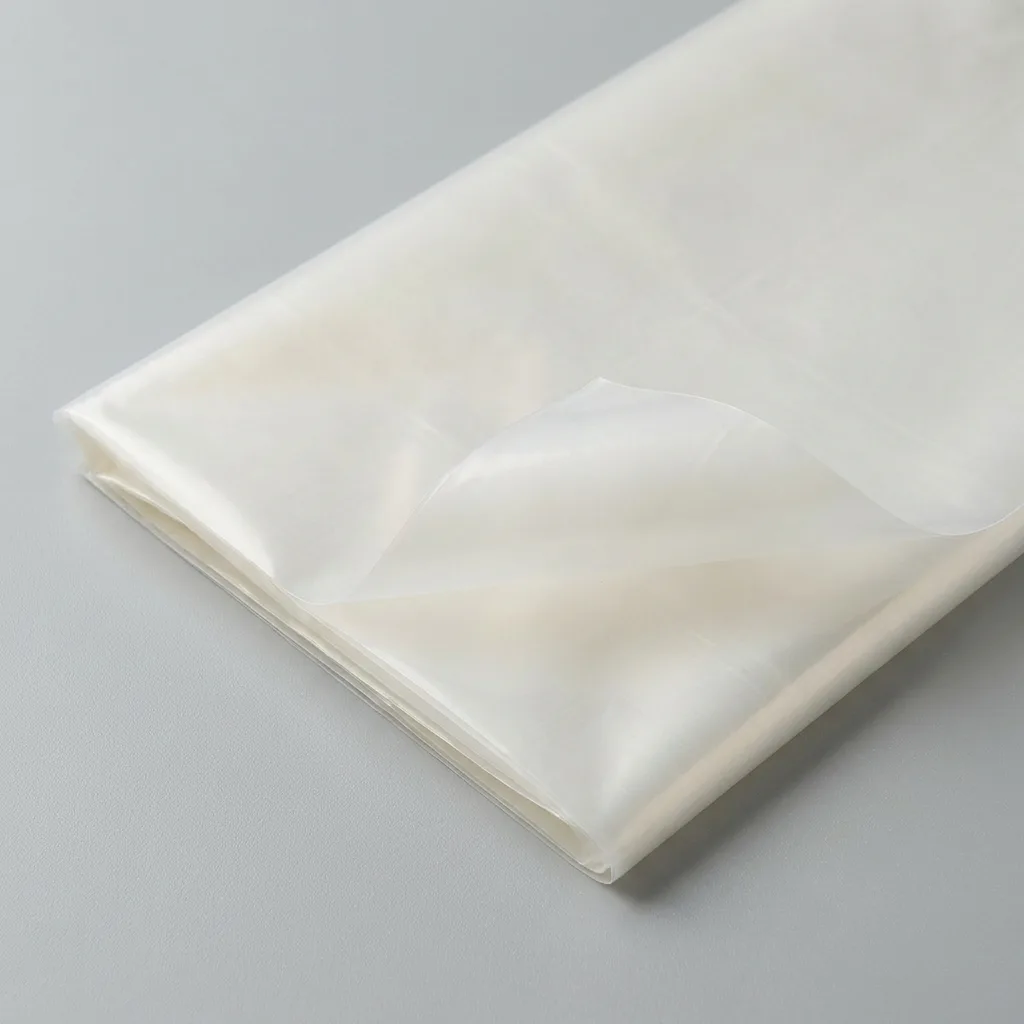
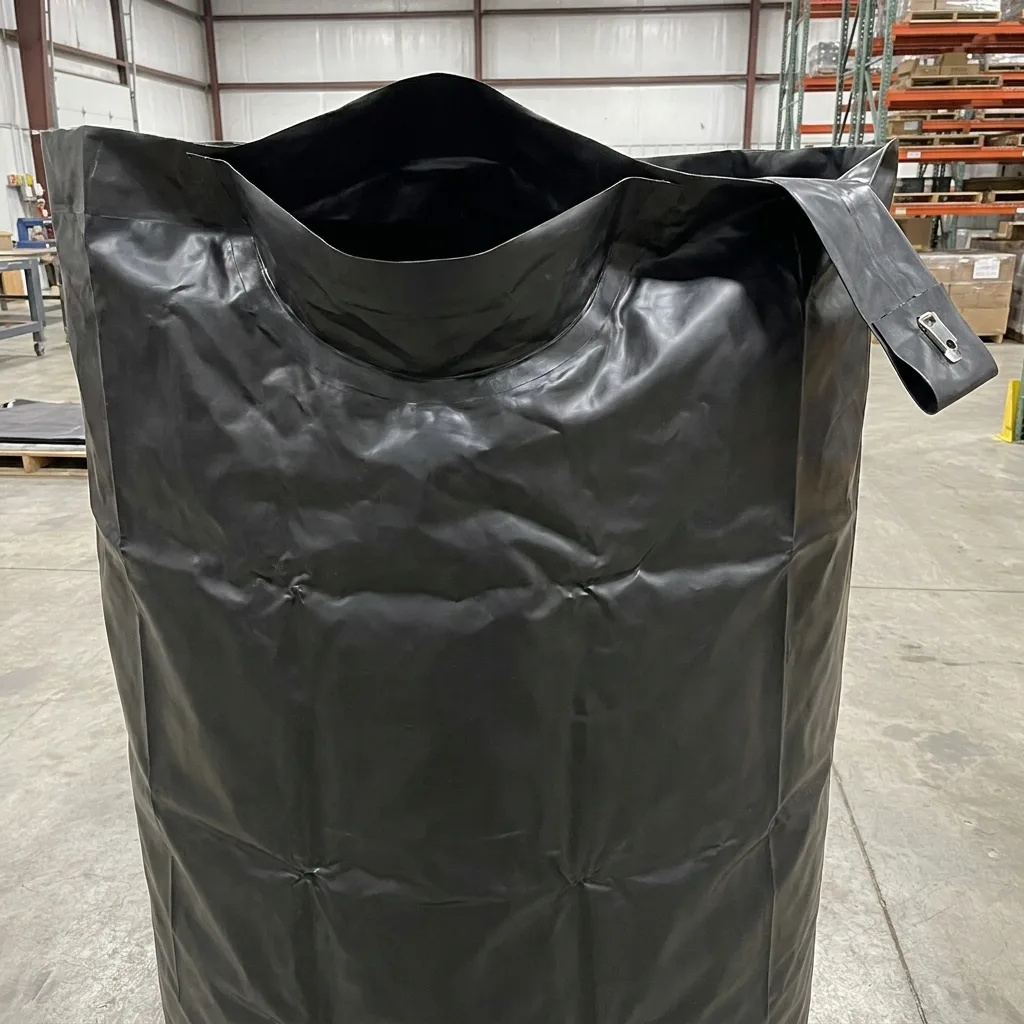
Loose tube liners are the simplest and most widely used. Form-fit liners follow the bag's shape so product is not trapped in folds and the liner is not drawn into the discharge spout. A box type liner opens square from the first load, which speeds filling and reduces creasing. A baffle and gambo liner brings the shape control of a baffle bag down to liner level.
Liner materials
| Material | Property | Specified for |
|---|---|---|
| Multilayer co-extruded PE | Strength without bulging | Non-hazardous powders, granules, food-grade products |
| EVOH barrier | High oxygen barrier | Food ingredients, oils and fats, resins, flavours |
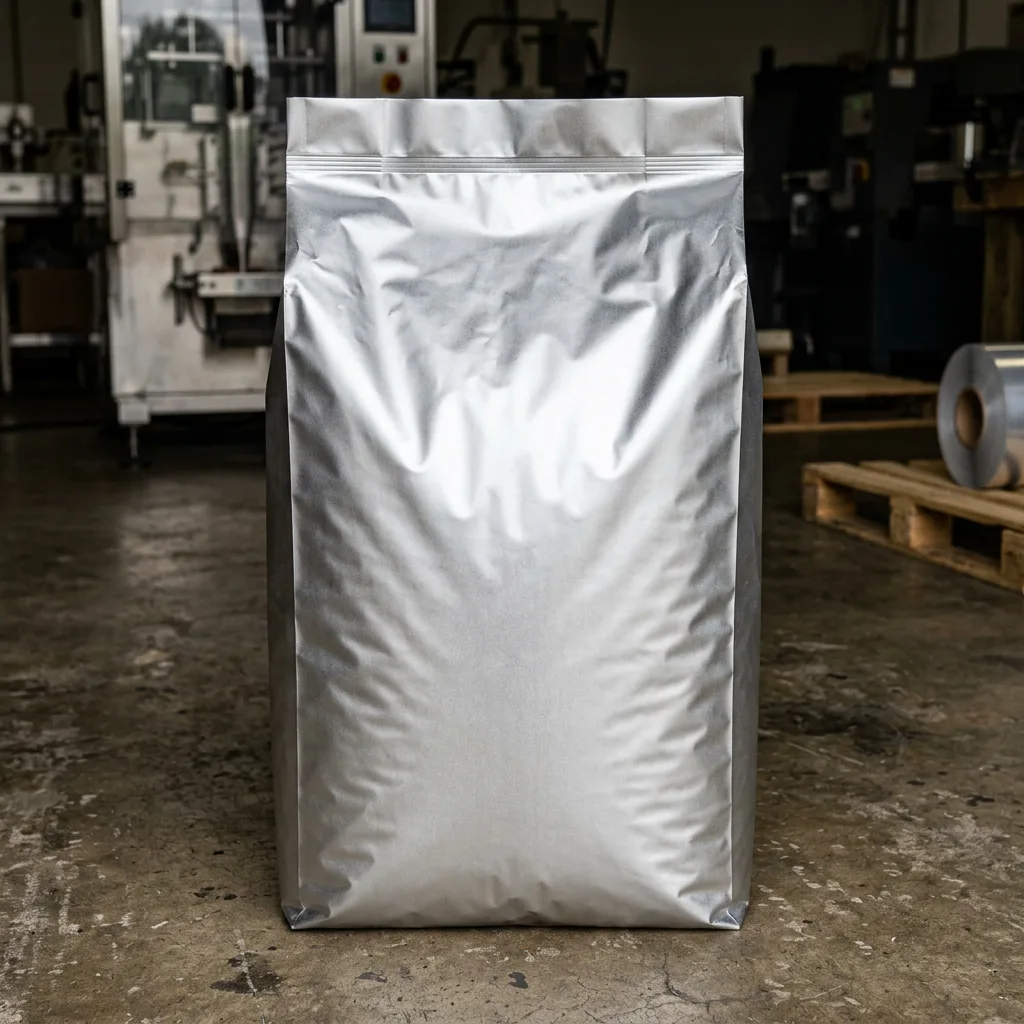
| Aluminium 5- and 6-layer | Near-total moisture and gas barrier | Hygroscopic powders, catalysts, pharma intermediates, long-haul export |
| Conductive film | Static dissipation | Flammable powders, solvent-wet products |
| Conductive aluminium | Static control plus barrier | Flammable hygroscopic powders |
| PVC | Chemical resistance, clarity | Products that only PVC can hold safely |
Combining shape and material
Most suppliers offer box type and baffle liners only in plain polyethylene, which forces a choice between shape and barrier or static protection. That choice is not necessary. GI PackTech builds EVOH into box type and baffle constructions, and makes box type liners in conductive film as well — so a food ingredient can have an oxygen barrier and a square, stackable load, and a flammable powder can have static protection and fast, crease-free filling.
Building baffles into barrier and conductive films is difficult, because every baffle joint is a potential weak point in the barrier. Solving that is what separates a specialised liner from a commodity one.
How to choose
- What threatens the product? Moisture → aluminium. Oxygen → EVOH. Static → conductive. Nothing beyond contamination → multilayer PE.
- How is it filled? Automated or high-speed filling favours form-fit or box type liners.
- How is it stored and shipped? Stacking and container fill favour box type or baffle shapes — see baffle bags vs round FIBCs.
- How is it discharged? Complete discharge favours a form-fit liner with a matched bottom spout.
- Is the bag static-protected? If so, the liner must match it — see FIBC types A, B, C and D.
What to send
- The product and its data sheet
- The FIBC dimensions and type, or the bag you use now
- Filling and discharge method
- Storage period, route and climate
- Any static, food-contact or hygiene requirement
A sample liner is made to your bag for a trial fill before bulk production.
Frequently asked questions
Do FIBC bags need a liner?
Not always. A liner is needed when fine powder would sift through the woven fabric, when the product needs protection from moisture or oxygen, when hygiene or contamination limits apply, or when a static-safe system needs a conductive liner. Coarse, stable granules often travel safely in an unlined or coated bag.
What is a form-fit FIBC liner?
A form-fit liner is shaped to match the inside of the FIBC — including its top spout and bottom discharge spout — instead of being a simple tube. It fills and discharges more completely, leaves less product behind, and is less likely to be pulled into the discharge spout. It is usually attached to the bag so it stays in position.
What is the difference between a baffle liner and a box liner?
A baffle (gambo) liner has internal baffles that stop it bulging as it fills, holding the bag square. A box type liner is pre-formed to a square profile so it opens square inside the bag from the first load. Both improve stacking and container fill; the baffle liner adds shape control to the liner itself, so it works with barrier and conductive films.