Drum and vessel liners
How to Measure a Drum for a Liner — and Specify It Right First Time
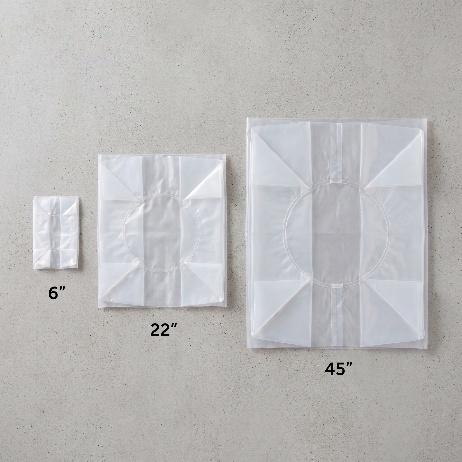
Measure internal diameter, internal height and drum type, and a liner can be made to fit — 200 litre drums to open-top vessels up to 100 inches.
Key takeaways
- Measure inside the drum, not outside — wall thickness and rolling hoops change the figure.
- Nominal sizes such as 200 litres vary between drum makers, so measure the drums you actually use.
- A liner that is too large creases and traps product; one that is too small strains at the seams.
- Say how the drum is discharged, because that decides the bottom shape and any spout.
- Custom diameters from 6 to 100 inches are a production question for a manufacturer that cuts and seals in-house.
The three measurements
Most drum liners can be specified from three facts:
- Internal diameter — measured across the inside of the top opening, at its widest. For a drum with a rolled rim, measure inside the rim.
- Internal height — from the inside of the base to the top of the rim.
- Drum type — open-top (removable lid) or tight-head (fixed lid with a bung), and the material: steel, plastic or fibre.
Measure the drums you actually use, not a catalogue drawing. A "200 litre drum" from one maker is not the same internal size as one from another, and the difference is enough to matter.
Reference sizes
These are typical figures for common drums, useful for a first conversation but not a substitute for measuring:
| Drum | Typical internal diameter | Typical internal height |
|---|---|---|
| 200–210 litre steel drum (55 US gallon) | About 22.5–23 in (570–585 mm) | About 33 in (840 mm) |
| Smaller steel and plastic drums | Varies widely by maker | Varies widely by maker |
| Fibre drums | Varies by maker and capacity | Varies by maker and capacity |
| Open-top vessels, bins and tanks | Up to 100 in for a GI PackTech liner | Any height |
How the measurements become a liner
A tube liner is made from a flattened tube of film. Its lay-flat width is roughly half the drum's internal circumference (π × diameter ÷ 2) plus a small allowance, so it sits against the wall without stress. Its length covers the internal height and the base, plus an overhang that folds over the rim and is held by the lid or a band.
Get either dimension wrong and the liner tells you within one batch:
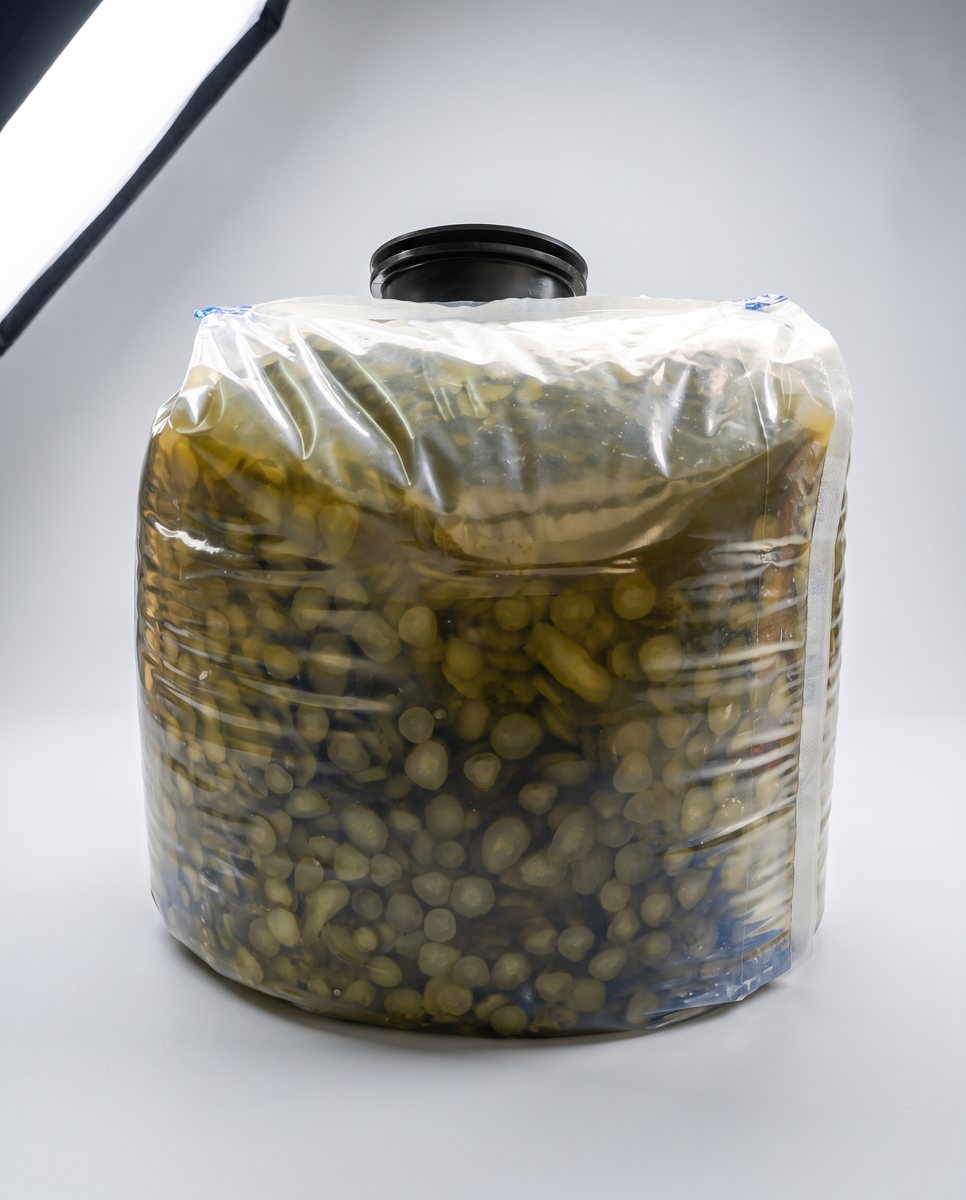
- Too large: the liner folds and creases, and product is trapped in the creases where it cannot be recovered.
- Too small: the seams carry the weight of the product, and the liner can split in transit.
That is why GI PackTech makes the round drum liner to the measured drum, in any internal diameter from 6 to 100 inches, instead of to the nearest stock size.
Tell us how the drum is filled and emptied
The same drum can need different liners depending on how product goes in and out:
- Bottom shape — flat, gusseted, conical or shaped. A conical or shaped bottom helps a drum that is discharged by tipping or from the base.
- Spout — if the drum is drawn from repeatedly, an integrated dispensing spout keeps the rest of the batch sealed.
- Closure — tied, heat sealed or clipped at the top.
- Fill temperature — hot filling decides the film, so give the temperature.
Then choose the material
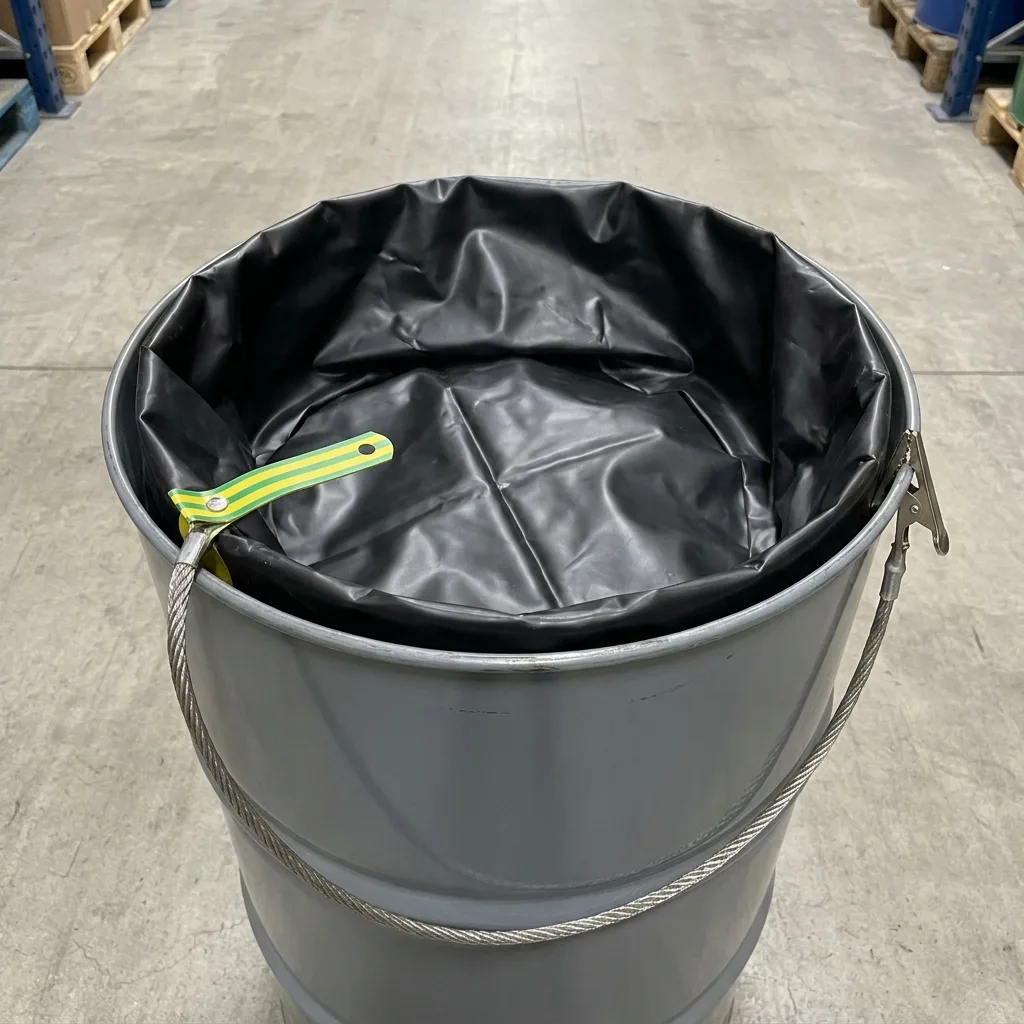
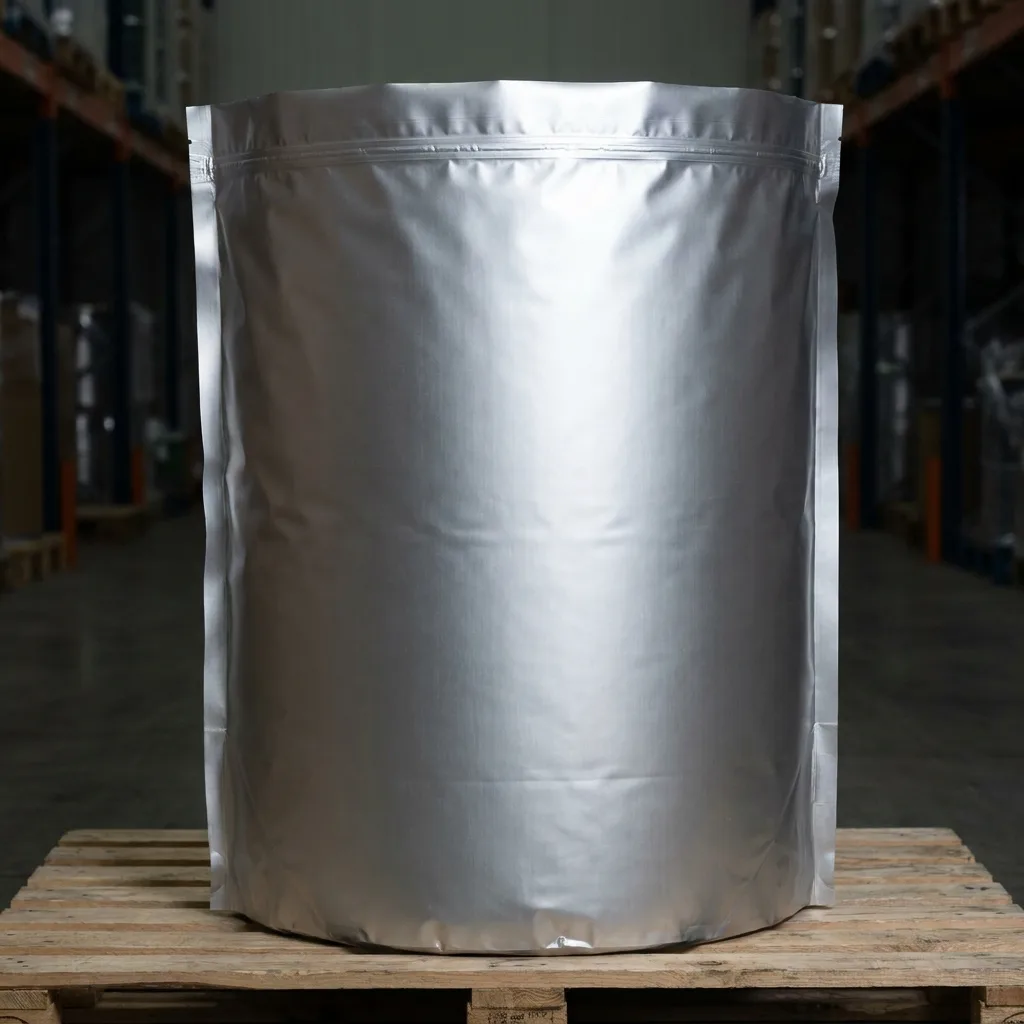
Diameter and height make the liner fit; the material makes it work. Polyethylene for general use, EVOH for oxygen, aluminium laminate for moisture, conductive film for static, PVC for aggressive chemicals — the drum liner materials guide compares them.
Your measurement checklist
- Internal diameter at the top opening
- Internal height, base to rim
- Open-top or tight-head; steel, plastic or fibre
- How it is filled and how it is emptied
- The product, its data sheet and the fill temperature
- Static or barrier requirements
- Approximate annual quantity
If measuring is awkward — an irregular drum, a vessel with internal fittings, a fleet of mixed drums — send one sample container instead and it is measured at the plant. Either way, a trial liner is supplied for fitment before bulk production.
Frequently asked questions
What size liner fits a 200 litre drum?
A standard 200 to 210 litre steel drum, also sold as a 55 US gallon drum, has an internal diameter of roughly 22.5 to 23 inches (about 570 to 585 mm). The liner should still be made to your drum's measured dimensions, because internal diameters and heights vary between drum manufacturers, and a liner that is close but not right will crease or strain when filled.
Should a drum liner be bigger than the drum?
Slightly, in the right places. The liner needs enough width to sit against the wall without stress, enough length to cover the base and the full height, and an overhang to fold over the rim and be secured. Too much excess creases and traps product; too little strains the seams. Made to the measured drum, both problems disappear.
Can you make a liner for a non-standard or very large container?
Yes. GI PackTech makes round liners to any internal diameter from 6 inches to 100 inches, at any height — from small laboratory containers to large open-top vessels and tanks. Send the measured dimensions or a drawing, or one sample container, and a trial liner is made to it.