Static safety
Conductive and Antistatic Liners: Static Safety for Solvents and Flammable Powders
When a conductive or antistatic drum or FIBC liner is needed, how grounding works, and how to combine static control with a barrier.
Key takeaways
- Powder and liquid flowing over plastic film separate charge; an insulating liner holds it on its surface.
- Conductive liners need a defined path to earth; static-dissipative constructions are designed to shed charge safely.
- A plain liner inside a Type C or Type D FIBC can defeat the bag's protection.
- Static control and a moisture barrier can be combined in a single conductive aluminium liner.
- The process safety assessment decides the controls; packaging is one of them, not all of them.
Where the charge comes from
Whenever a powder slides over a plastic surface, or a liquid flows through a plastic liner, the two materials exchange electrical charge. Polyethylene is an excellent insulator, so the charge stays where it lands — on the liner's surface and in the product — and builds up with every kilogram that flows.
Nothing happens until that charge finds a path. Then it discharges as a spark or a brush discharge. Whether that matters depends on what is in the air: many solvent vapours ignite at a fraction of a millijoule, and some fine powders are not far behind. A brush discharge from a charged plastic surface can release several millijoules — enough.
What a conductive liner changes
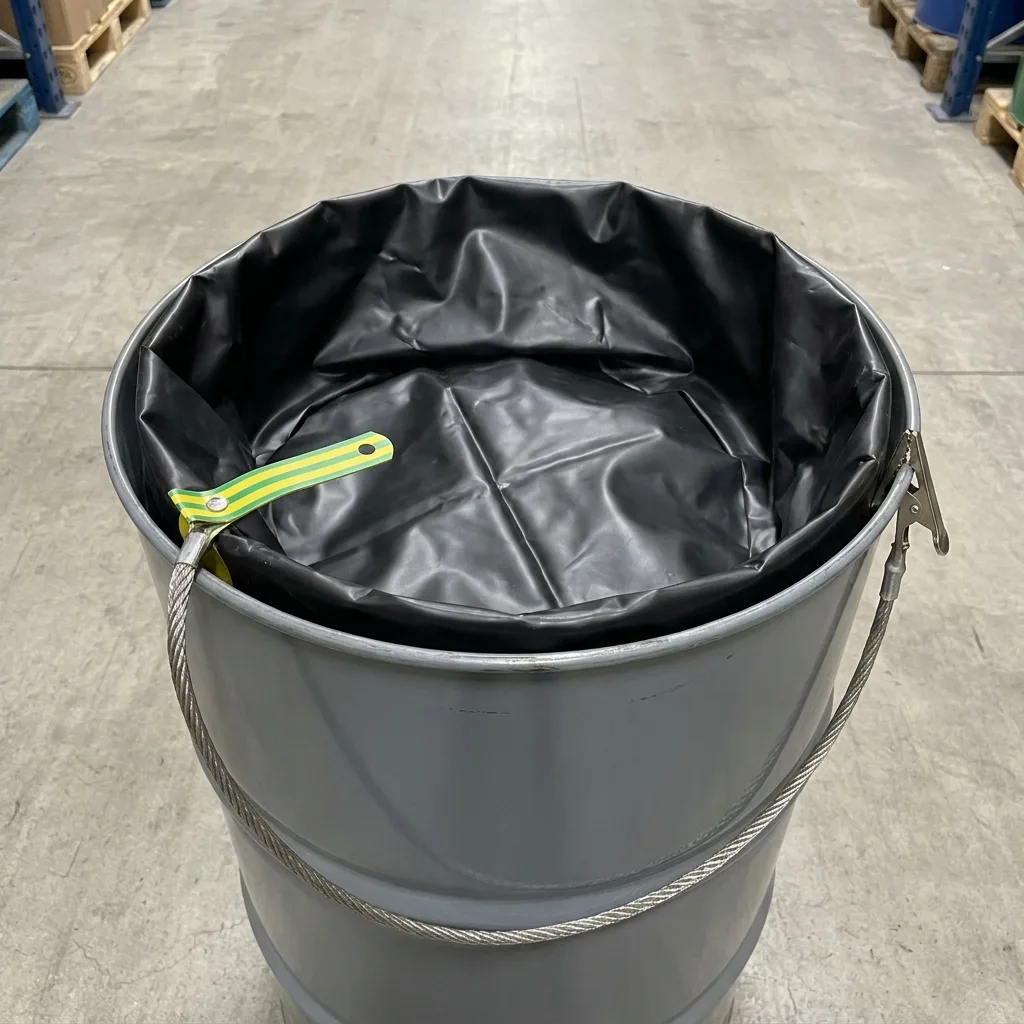
A conductive liner is made from film with low enough electrical resistance that charge flows through it to earth rather than collecting on the surface. It is supplied with a defined grounding arrangement — a tab or lead that connects to the drum or an earth point — so it fits into the plant's existing earthing procedure without changing it.
| Liner | What happens to the charge | Depends on |
|---|---|---|
| Plain polyethylene | Accumulates on the surface | Nothing — it is the hazard |
| Conductive | Flows to earth through the grounding connection | The connection being made, every time |
| Static-dissipative / antistatic | Is shed gradually or prevented from accumulating | The construction and the conditions it is rated for |
Drums: the conductive round drum liner
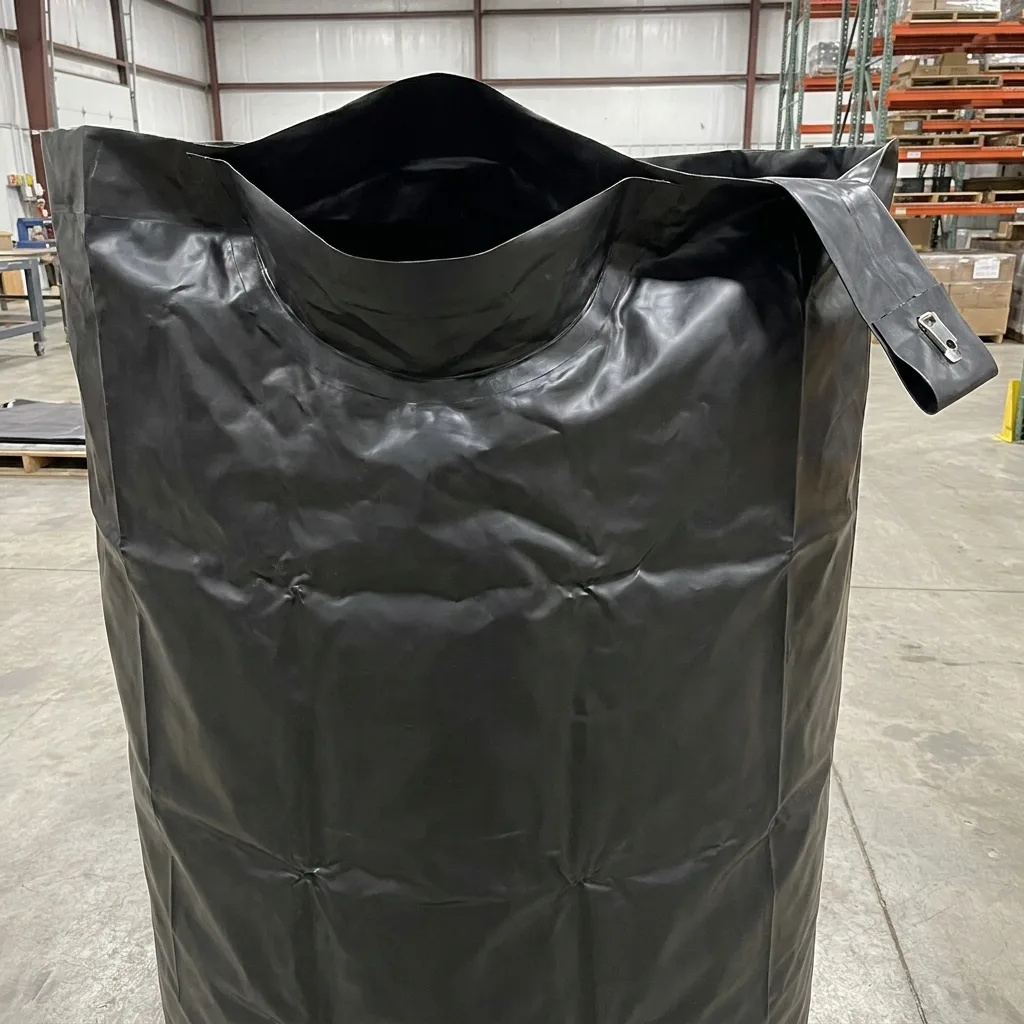
A conductive round drum liner is specified for solvents, alcohol and brewery products, flammable chemicals, fine powders and pharmaceutical intermediates. It is made to the drum's internal diameter — anywhere from 6 to 100 inches — and earthed through the drum.
FIBCs: the bag and liner are one system
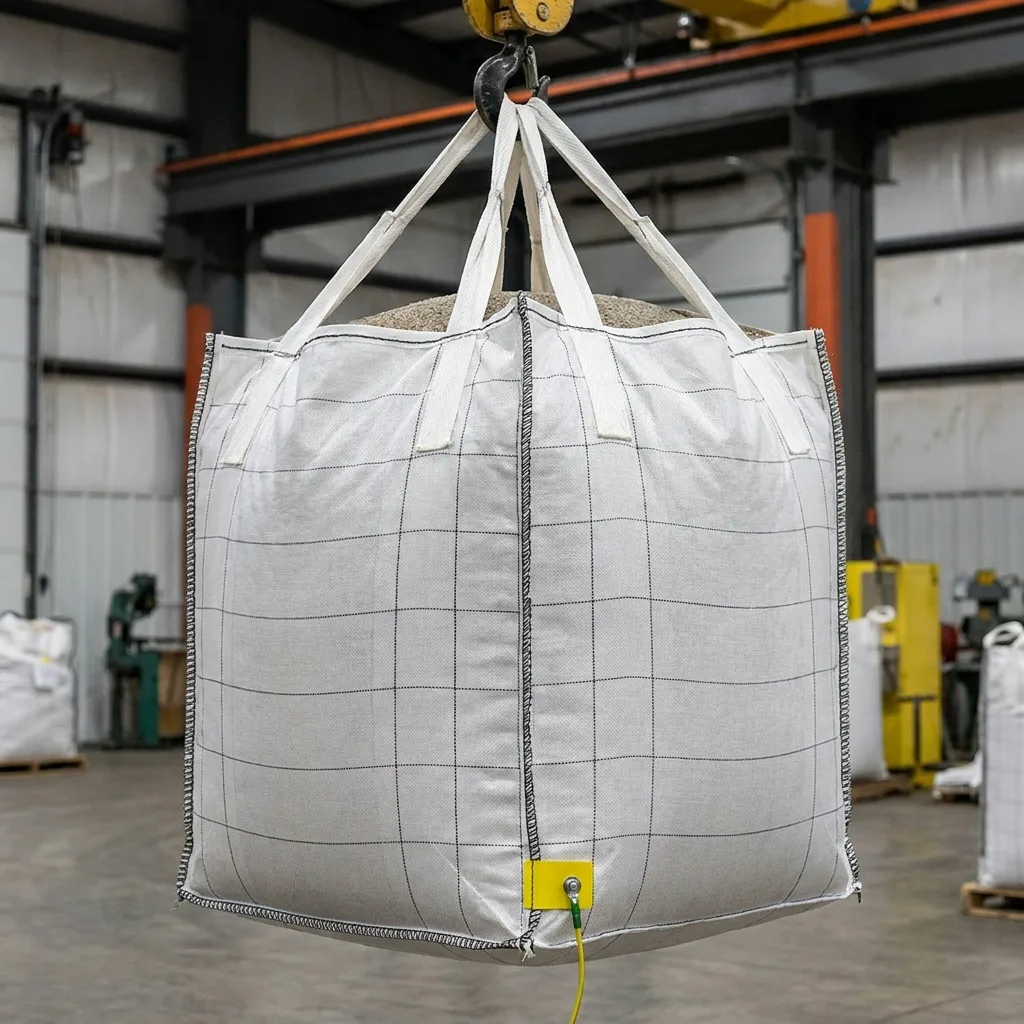
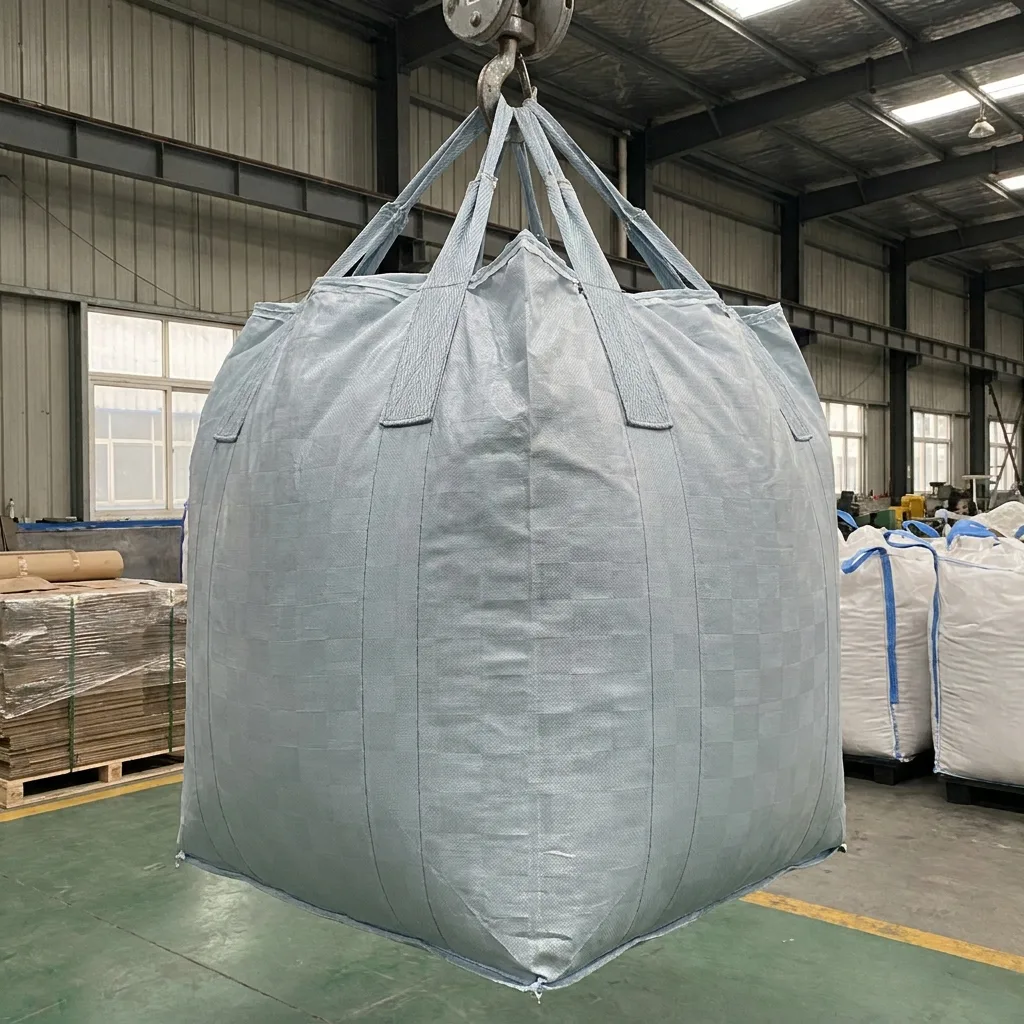
In a bulk bag, the liner sits exactly where charge is generated: between the flowing product and the fabric. Putting a plain liner inside a Type C or Type D bag can defeat the bag's protection, because the liner holds charge that the bag was designed to remove.
So a conductive FIBC liner is specified with the bag. Where the existing bag is Type C, GI PackTech checks that the liner and the earth path actually work together. The FIBC types guide explains how Types A to D differ.
Static and barrier in one liner
Some products are both flammable and moisture sensitive — flammable hygroscopic powders, moisture-sensitive fine chemicals, many pharmaceutical intermediates. The usual answer has been to double line: a barrier liner inside a conductive one. That doubles the material, slows filling, and adds a fitting step that can be done wrong.
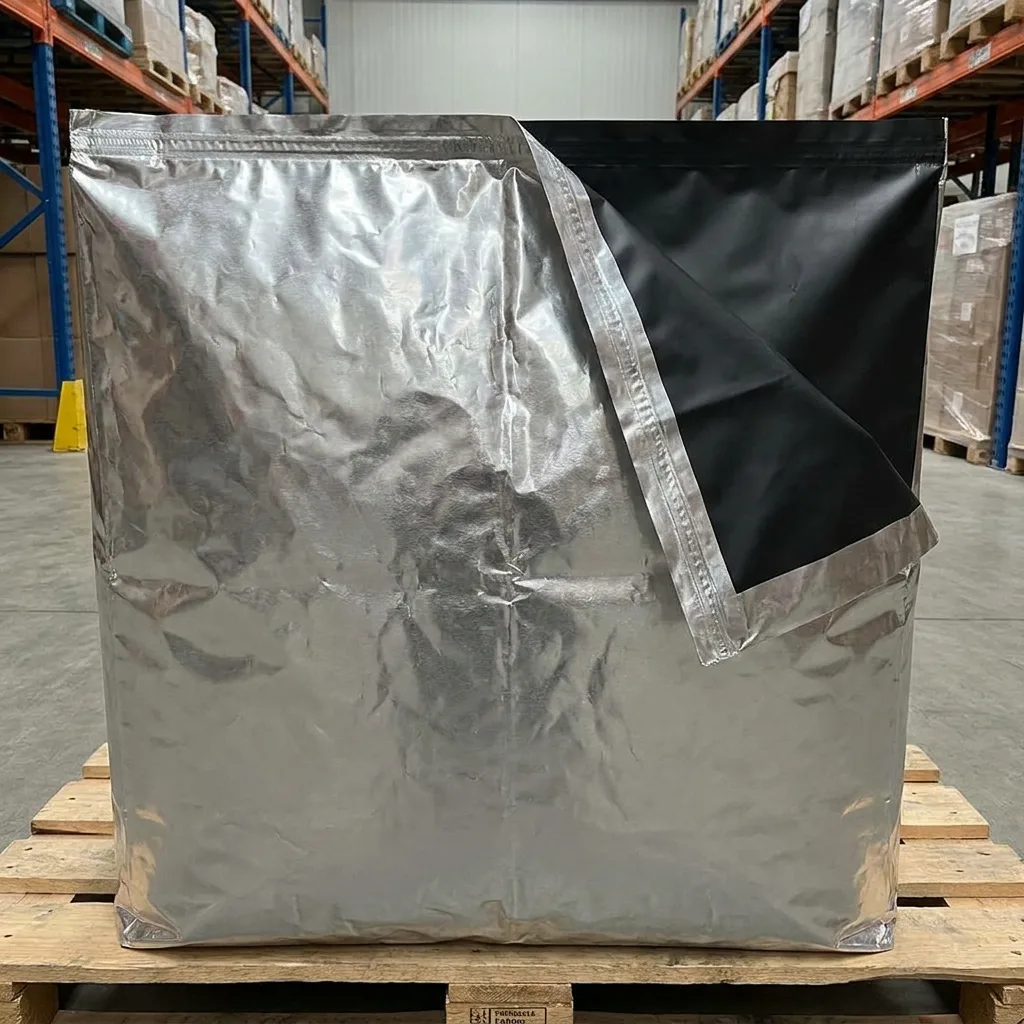
A conductive aluminium liner does both jobs in one construction — a conductive layer laminated with aluminium foil and polymer layers. Combining the two in one working structure is difficult, and it is one of the clearest examples of GI PackTech's development work.
Practical points for the plant
- Earth before filling, keep it earthed until empty. A conductive liner or Type C bag that is not earthed is not protected.
- Do not mix components. A conductive liner in a plain bag, or a plain liner in a conductive bag, is not a static-safe system.
- Keep the specification with the product. Once a bag leaves your site, the handling at the other end is out of your control — which is the main argument for Type D construction on export routes.
- Packaging is one control. Inerting, earthing, charging systems, humidity and procedures all play a part. The process safety assessment, following guidance such as IEC TS 60079-32-1, decides the full set.
What to send
- The product, its data sheet and its minimum ignition energy if known
- Whether solvent or flammable vapour is present, and the site's zone classification
- The drum or bag type and dimensions, and the existing earthing arrangement
- Whether a moisture or oxygen barrier is also needed
GI PackTech brings the grounding arrangement drawing to the first technical discussion, and supplies a trial liner before bulk production.
Frequently asked questions
What is the difference between a conductive and an antistatic liner?
A conductive liner has low enough resistance to carry charge to earth through a grounding connection, so it is safe only while it is earthed. An antistatic or static-dissipative construction is designed to bleed charge away gradually, or prevent it accumulating, without relying on that connection. Which one is right depends on the product, the atmosphere and whether earthing can be guaranteed.
When do I need a conductive drum liner?
When the product is a flammable powder, a solvent, an alcohol or a solvent-wet material, or when filling and discharge happen where flammable vapour may be present. In those conditions a static discharge from an ordinary polyethylene liner can be an ignition source. A conductive liner with a defined grounding arrangement removes that source within the plant's earthing procedure.
Can one liner give static protection and a moisture barrier?
Yes. A conductive aluminium liner laminates a conductive film with aluminium foil and polymer layers, so one liner dissipates charge and gives a near-total moisture and gas barrier. It replaces double lining — a plain barrier liner inside a conductive one — which costs twice the material, takes longer to fit and can be fitted wrongly.