FIBC, liners and sacks
Heavy Duty 25 kg and 50 kg Sacks: PE, Woven PP or BOPP Laminated?
Choosing a 25 or 50 kg sack for polymers, fertilisers, cement and chemicals: co-extruded PE, woven PP, BOPP laminate or lined woven.
Key takeaways
- A sack that splits loses the product and the dealer's confidence in it.
- PE sacks are welded, with no stitch holes — the right choice where the product must stay dry.
- Woven PP gives tear strength; BOPP lamination gives a retail-quality printed face.
- Laboratory drop tests from 1.2–1.5 m represent careful handling, not the field.
- Film thickness, fabric GSM and layer structure follow the fill weight, filling method and handling.
The sack is the product's first impression
Dry bulk leaves a plant in one of three formats: loose in a lined container, in FIBC jumbo bags, or in 25 and 50 kg sacks. The sack is the format a dealer, a distributor or a site worker actually handles. When it splits, the loss is not only the product. It is the dealer's confidence in the brand on the side of it.
Four constructions, four failure modes
| Construction | Strength | Moisture | Best for | |
|---|---|---|---|---|
| Co-extruded PE (LLDPE) | Impact strength | Welded — continuous seal, no stitch holes | Good | Hygroscopic products, polymers, fine powders |
| Woven polypropylene | High tear strength | Weave lets moisture and fines through unless coated | Fair | Coarse, stable products; rough handling |
| Woven PP, BOPP laminated | High tear strength | Better, via the laminate | Retail quality, multicolour | Branded products sold through dealers |
| Woven PP with fitted PE liner | Tear strength of woven | Barrier from the liner | As above | Products needing both strength and a barrier |
Polyethylene sacks are sealed by welding, so there is no stitch line anywhere for moisture or fine product to pass. They are the right answer where the product must stay dry — fertilisers, polymer granules, masterbatch and many chemicals — and are used for form-fill-seal (FFS) lines that make, fill and seal the sack in one pass.
Woven polypropylene sacks have a tear strength that only a woven base gives, which matters for rough handling and outdoor storage. Coated, they resist moisture better; BOPP laminated, they carry a printed face good enough for a retail shelf.
Build it around the drop
The usual test for a sack of this size is a drop from around 1.2 to 1.5 metres. That represents one careful person setting a sack down. It is not what happens in the field, where sacks are thrown from trucks, dropped off stacks and dragged across yards.
So GI PackTech builds sacks around the drop rather than around the fill weight. Its heavy grade co-extruded film has been dropped from around 12 metres without bursting. That margin is the point: the handling a sack meets in distribution is harsher than the test it passes in a laboratory.
What decides the specification
- Fill weight — 25 kg and 50 kg as standard; width, gusset, length and fill weight made to suit.
- Filling method — open-mouth, valve, or FFS film on a roll.
- Product — particle size, temperature at filling, and whether it is hygroscopic.
- Handling and storage — manual or palletised, indoor or outdoor, and for how long. Outdoor storage needs UV stabilisation.
- Print — brand, grade and batch information, and how good it needs to look.
Film thickness, fabric GSM and layer structure follow from those; they are an outcome, not a starting point.
Sectors
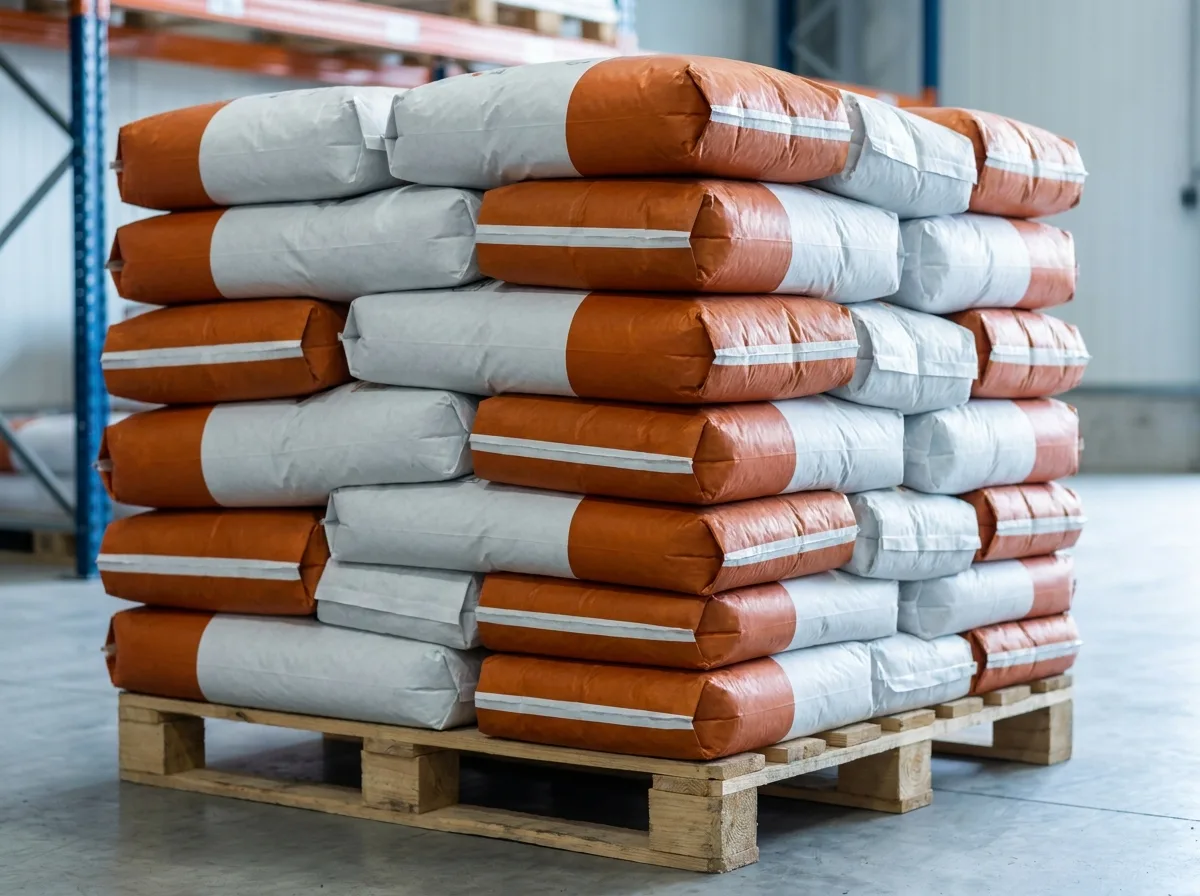
Heavy duty sacks are specified for cement and building materials, fertilisers and agrochemicals, polymer granules, masterbatch and additives, carbon black, minerals and ores, salt, sugar, flour, animal feed and specialty chemicals.
When to move up from sacks
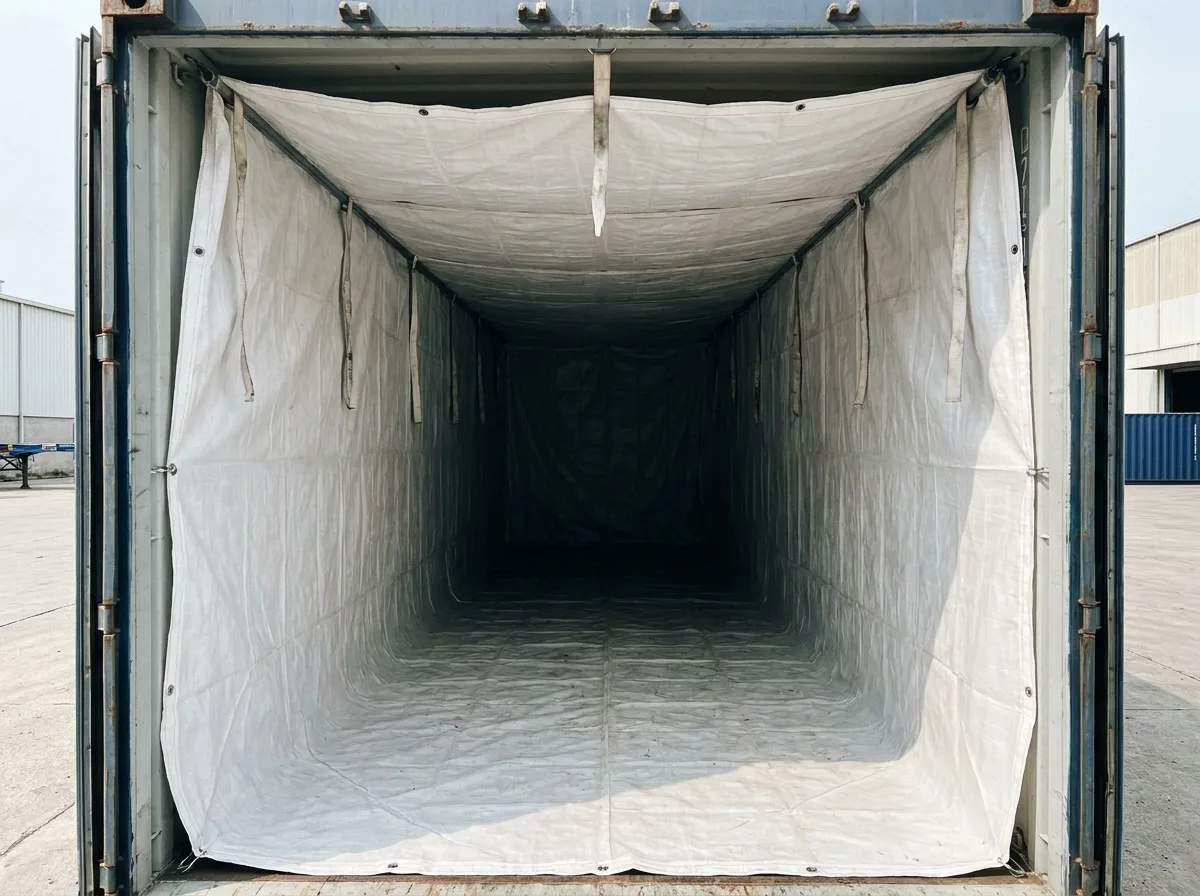
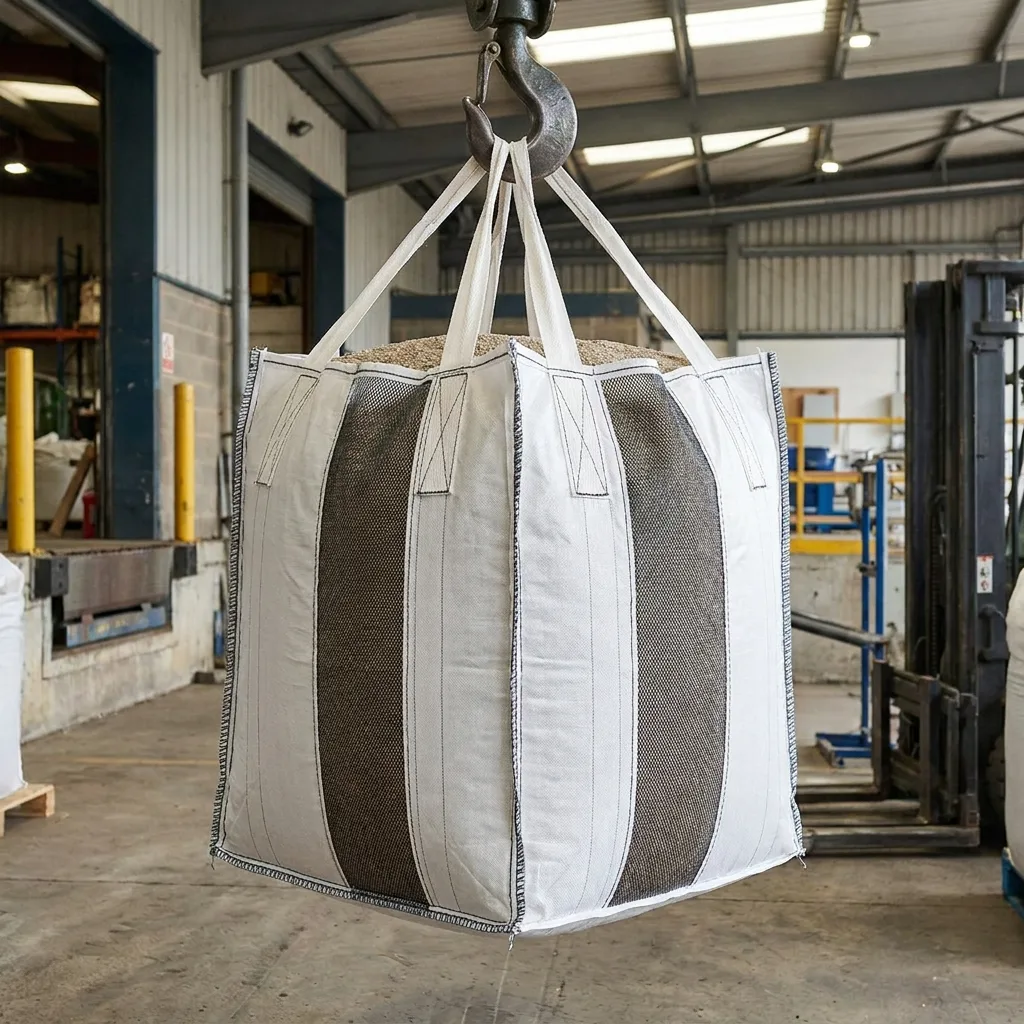
If a product ships in full containers to one customer, compare the cost of sacks, pallets and handling with a container liner, which ships the same tonnage loose. For tonne-sized lots moved by forklift into a process, an FIBC is usually cheaper per tonne than forty sacks.
Send the product, fill weight, filling method and how the sacks are handled; a sample run is supplied for a trial fill and drop test on your own line.
Frequently asked questions
Which is better for 25 kg bags, PE or woven polypropylene?
They fail in different ways, so they suit different products. A co-extruded PE sack is welded shut with no stitch holes, giving a continuous moisture seal — best for hygroscopic or fine products. A woven polypropylene sack has higher tear strength and takes a BOPP laminated print face — best where rough handling and shelf appearance matter. A woven sack with a PE liner combines both.
What is a drop test for a sack?
A drop test fills the sack to its rated weight and drops it from a set height to see whether it bursts. Sacks of this size are commonly proved at around 1.2 to 1.5 metres, which represents one careful person setting a sack down. Real handling — throwing from a truck, dropping from a stack — is harsher, which is why GI PackTech builds its heavy grade sacks with far more margin.
Can 25 kg sacks be printed with our brand?
Yes. Woven polypropylene sacks take a coated or BOPP laminated outer face that carries high-quality multicolour print, and PE sacks can be printed as well. Printing adds a plate and a minimum run, so it should be raised at enquiry stage so the quantity and price reflect it from the start.