Sourcing and export
Sourcing Industrial Flexible Packaging from India: A Guide for Overseas Buyers
How overseas importers qualify an Indian maker of drum liners, FIBC liners, container liners and machine covers, and what to send for a firm quotation.
Key takeaways
- Ask whether the supplier extrudes, laminates and seals in its own plant, or buys film in and converts it.
- Send a specification, not a request for a price list — made-to-order packaging has no list price.
- Approve a trial sample against your own drum, bag or machine before committing to a full run.
- Agree the Incoterm, destination port and documentation at quotation stage, not at shipment.
- Check the customs classification with your broker; liners, FIBCs and covers fall under different headings.
Why India, and why a manufacturer
Industrial flexible packaging — drum liners, FIBC liners, container liners, heavy duty sacks, machine covers — is rarely bought off a shelf. The useful products are made to a particular drum, a particular powder or a particular machine, and that is exactly what makes the choice of supplier matter.
India has one of the world's largest bases of polyethylene film, woven polypropylene and lamination capacity, and a long history of exporting FIBCs and liners. What separates suppliers is not whether they can quote a low price for a standard size. It is whether they can make your size, in your material, and prove it with a sample before the order.
That is the difference between a manufacturer and a trader. A trader buys from several plants and quotes from a list. A manufacturer runs the extrusion, lamination, cutting and sealing lines itself, so a non-standard diameter or an unusual film structure is a production question rather than a sourcing one.
How to qualify an Indian packaging supplier
Use the same checklist whichever supplier you are assessing.
| What to check | What a good answer looks like |
|---|---|
| Processes in-house | Extrusion, lamination, cutting, fabrication and heat sealing on its own lines |
| Quality system | A current certificate such as ISO 9001:2015, available with the quotation |
| Material knowledge | Can explain what each layer in a barrier film does, and when a material is the wrong answer |
| Range of sizes | Quotes non-standard dimensions without hesitation, because it cuts and seals to size |
| Samples | Supplies a sample made to your dimensions for trial fitment before bulk production |
| Compliance documents | Confirms what documentation it can provide for your market before you order |
| Communication | Technical questions answered by the people who specify the job, in writing |
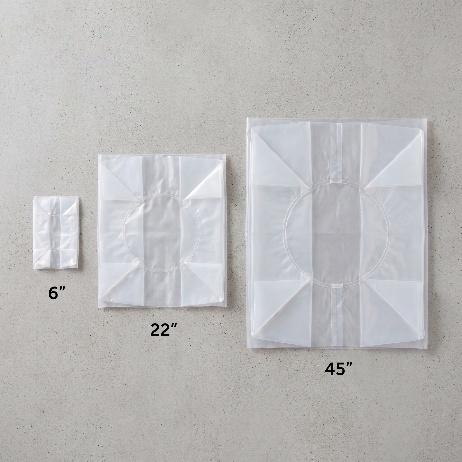
GI PackTech, for reference, has manufactured at its own plant in Gundlav, Valsad, Gujarat since 2006. Lamination, extrusion, cutting, heat sealing, R&D and quality all run in one building, and the company is ISO 9001:2015 certified. It makes round liners in any internal diameter from 6 to 100 inches, which is only possible because the cutting and sealing are its own.
What to send for a firm quotation
Made-to-order packaging has no list price, so "please send your price list" gets you either nothing useful or a number that changes later. Send a specification instead:
- The product being packed, with its data sheet — this decides material compatibility, barrier and static requirements.
- The container or machine — measured internal diameter and height of the drum, the FIBC dimensions, the container size, or the machine's general arrangement drawing.
- How it is filled, handled and discharged — gravity or pneumatic filling, forklift or crane, how the product comes out.
- Special requirements — antistatic or conductive, oxygen or moisture barrier, food contact, UV exposure, temperature.
- Quantity — the approximate annual volume and the first order size.
- Destination and terms — the destination port or delivery address and the Incoterm you buy on.
With those six, a manufacturer can specify the construction and quote it in one round. GI PackTech's specification form asks exactly these questions.
Incoterms, ports and documents
Agree the commercial frame at quotation stage, not at shipment.
- Incoterm. Packaging is commonly bought on FOB (free on board at the Indian port), CIF or CFR (to your port), or FCA and DAP where it travels by air or door to door. Say which you use and the quotation is made on that basis.
- Port. Valsad lies on the Mumbai–Ahmedabad industrial corridor, within road distance of Nhava Sheva (JNPT), one of India's main container ports, and Hazira. The port is confirmed with the quotation.
- Documents. For any import you will need at least a commercial invoice and packing list, and usually a certificate of origin and the bill of lading or air waybill. Where your market needs material documentation — food-contact declarations, test reports, a quality certificate — ask for it before ordering so the right grade is specified from the start.
Customs classification
Classification depends on the material and the form of the product, and your customs broker has the final word. As a starting point, the common headings in the Harmonized System are:
| Product | Usual HS heading |
|---|---|
| Bags and liners of polyethylene film (drum liners, FIBC liners, sacks) | 3923.21 |
| Bags and liners of other plastics, such as PVC | 3923.29 |
| FIBC jumbo bags of woven polypropylene | 6305.32 |
| Other woven polypropylene or polyethylene sacks | 6305.33 |
Machine covers, container liners and composite or aluminium-laminate products can fall under different headings depending on their construction, so confirm each line item with your broker before the first shipment.
Samples, trials and the first order
A good first order follows the same sequence every time:
- Specification — agreed in writing, including material structure, dimensions and any printing.
- Sample — made to your dimensions and sent for trial fitment on your own drum, filling line or machine.
- Approval — fit, seal, handling and, where relevant, barrier or static performance confirmed on your side.
- Bulk production — made to the approved sample, with the same specification referenced on every repeat order.
Lead time depends on whether the film is one the plant already runs or has to be extruded or laminated for you, on the quantity, and on whether tooling is needed for a non-standard profile. A repeat order in an established structure is quickest; a new laminate takes longest because the film is made first. The date is confirmed with the quotation.
What GI PackTech exports
The full range is listed on the products page. The products most often specified by overseas buyers are:
- Round drum, reactor and vessel liners from 6 to 100 inches, in PE, EVOH, aluminium laminate, conductive film and PVC
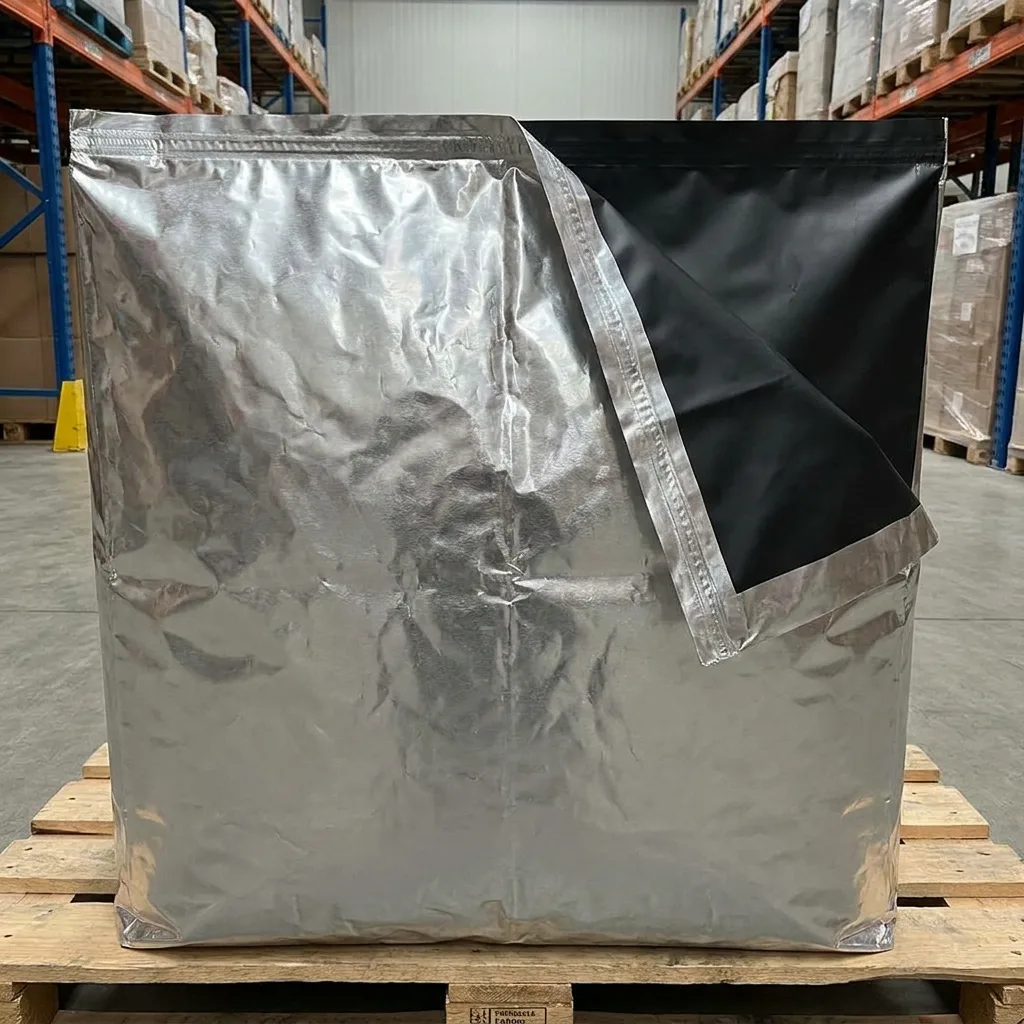
- FIBC liners — EVOH, aluminium 5 and 6 layer, conductive and conductive aluminium, box type and baffle
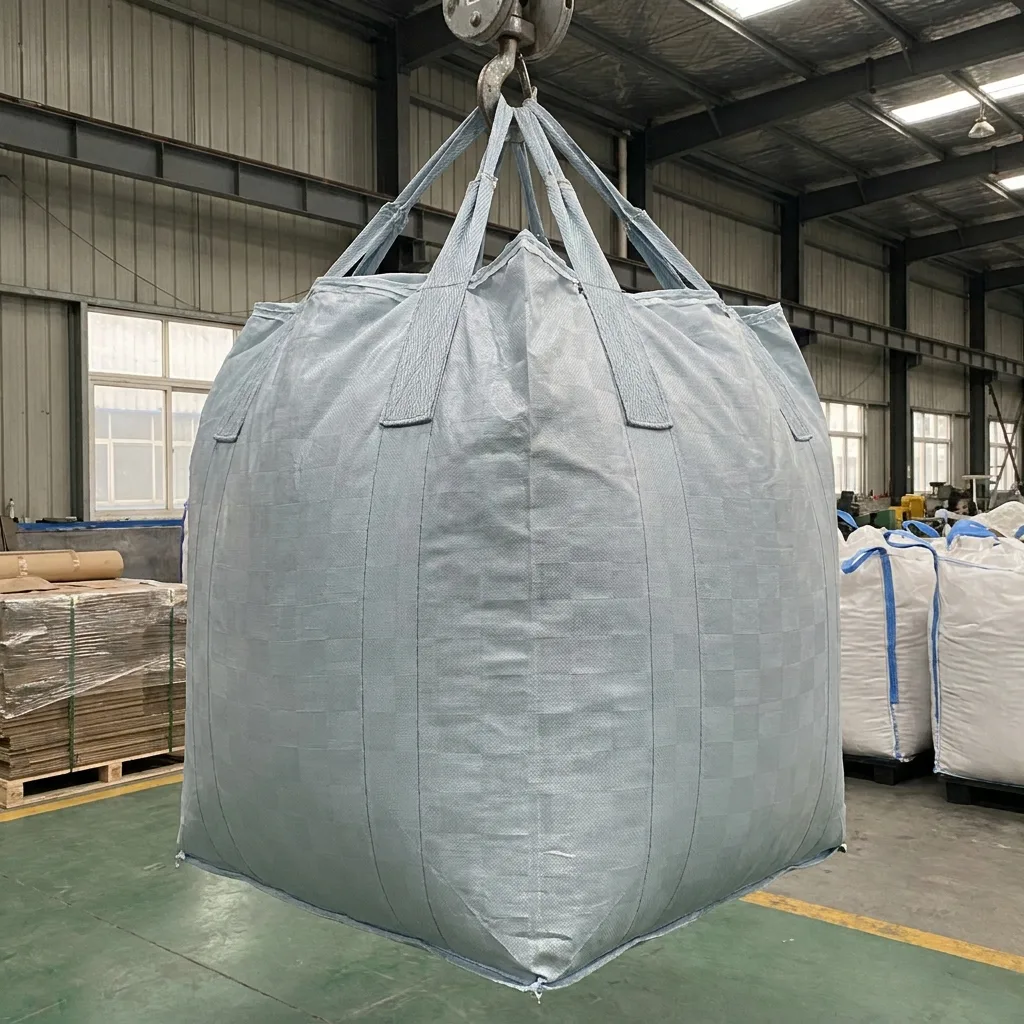
- Type C and Type D FIBC jumbo bags
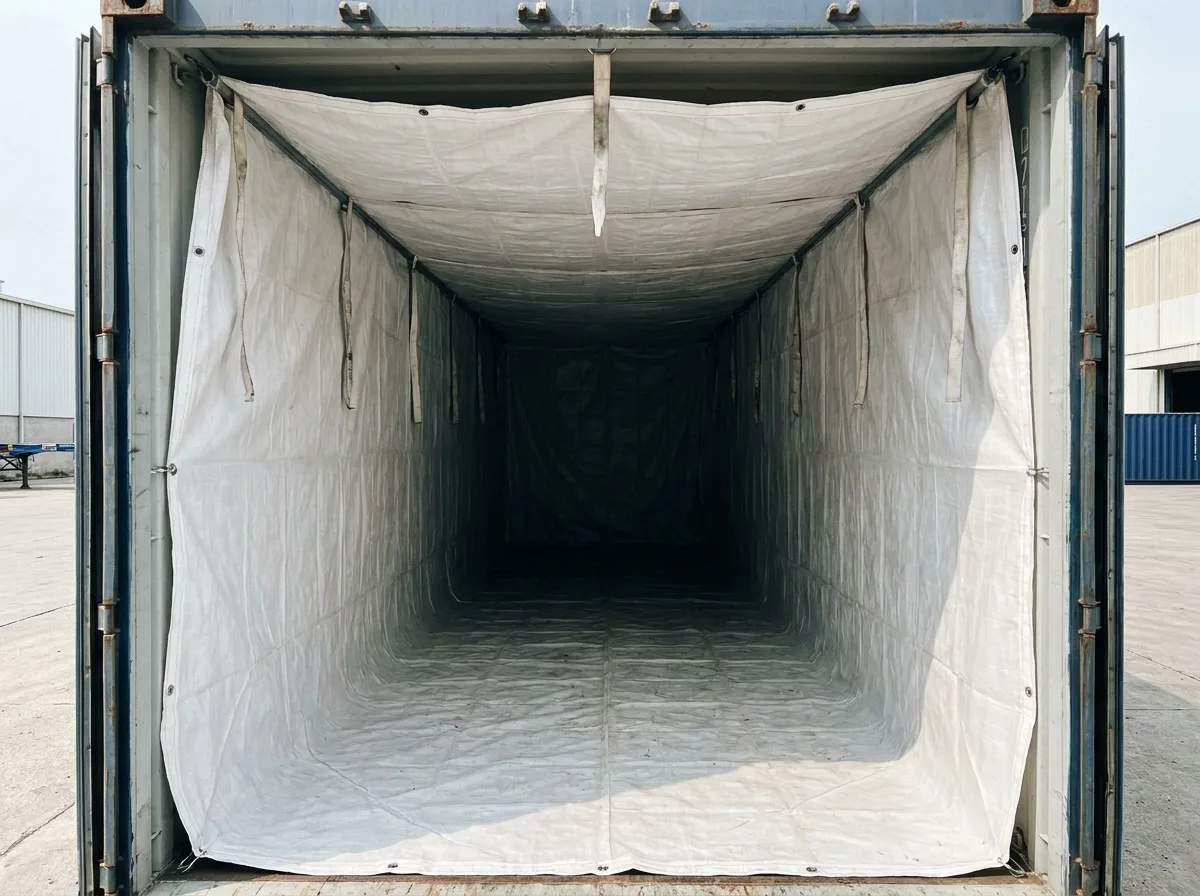
- Dry bulk container liners for 20 and 40 foot containers
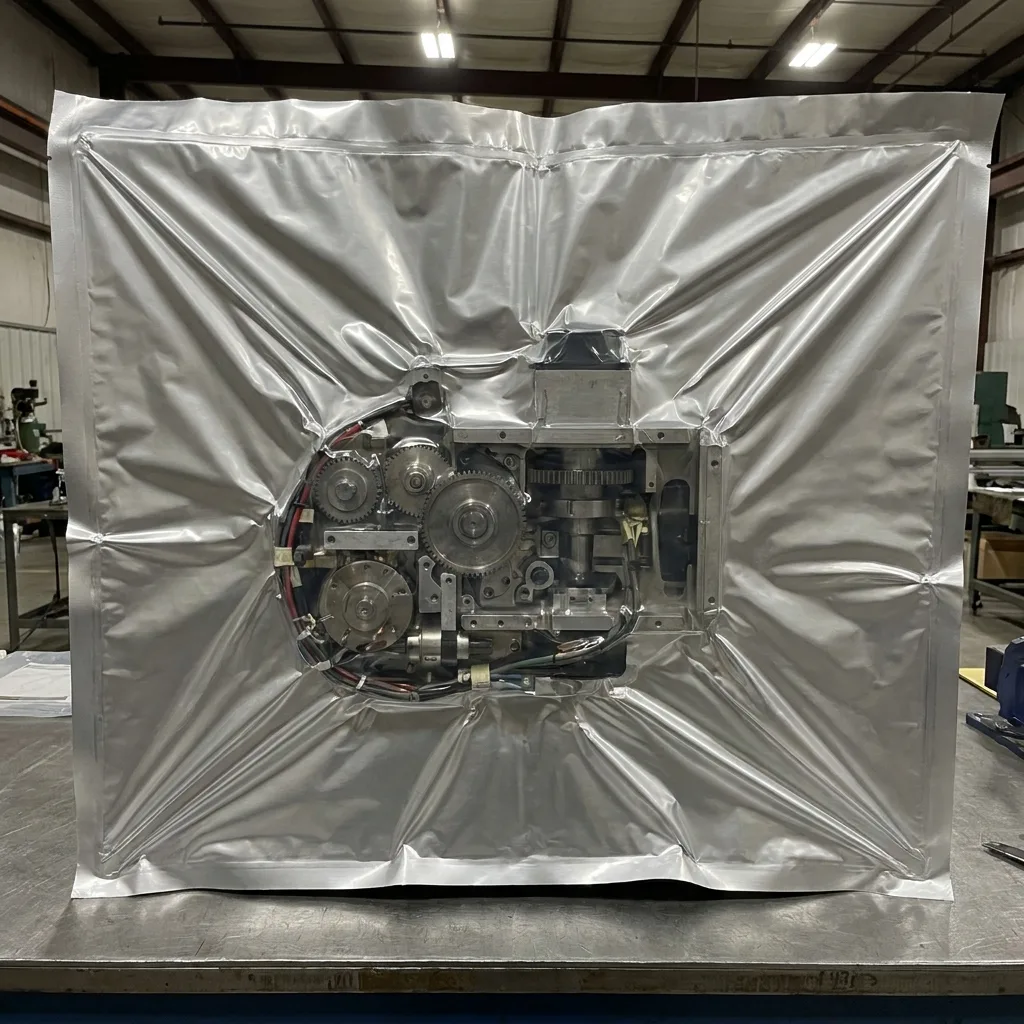
- Machine covers and aluminium vacuum barrier packing built to the machine drawing
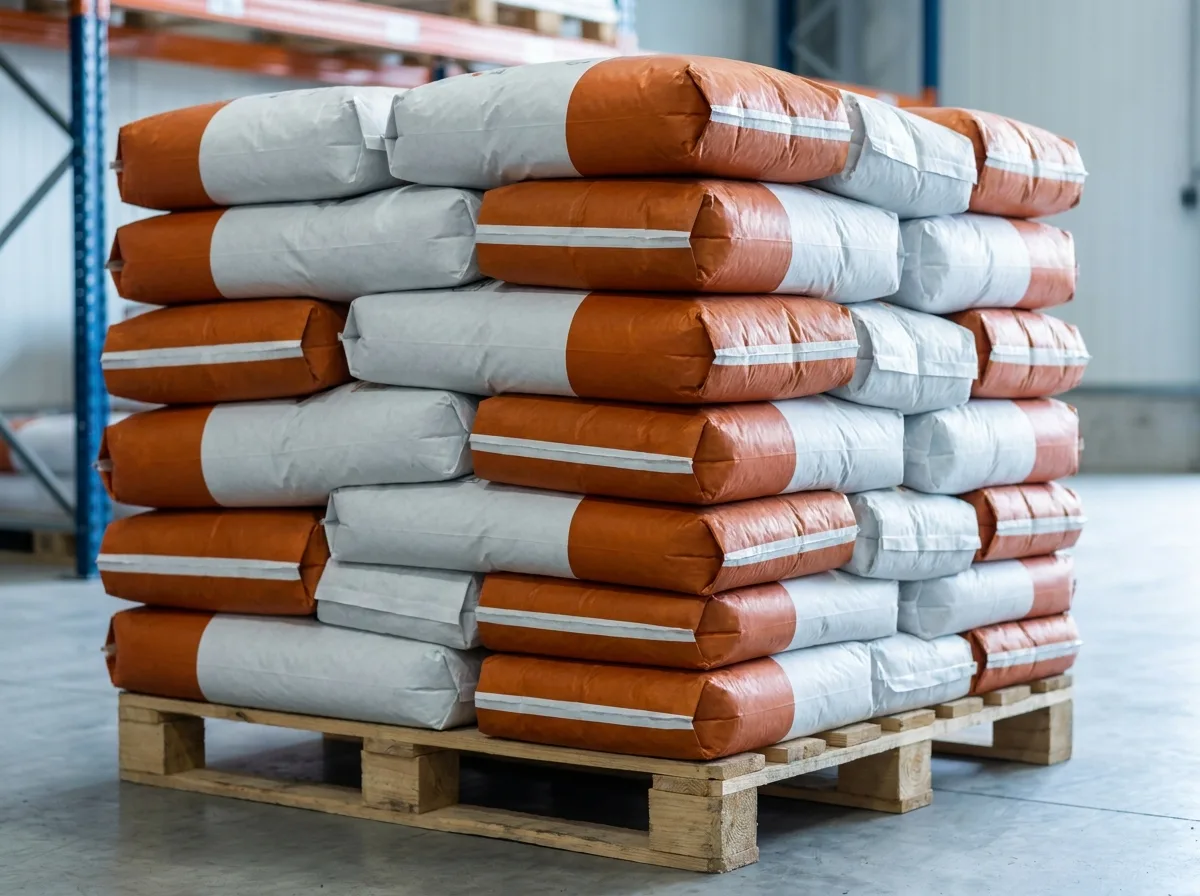
- Heavy duty 25 kg and 50 kg sacks
Frequently asked questions
Why do overseas buyers source industrial packaging from India?
India has a deep base of polymer film, woven polypropylene and lamination capacity, and many plants make to order rather than to a fixed range. For buyers who need non-standard sizes, barrier or conductive constructions, or covers built to a machine drawing, an Indian manufacturer with in-house extrusion, lamination and sealing can make exactly the specification required, with a sample first.
How do I know an Indian packaging supplier is a real manufacturer?
Ask which processes run in its own plant and ask to see them — on a video call if a visit is not practical. A manufacturer can explain its film structures layer by layer, quote non-standard sizes as a production question, supply a sample made to your dimensions, and show a quality certificate such as ISO 9001. A trader usually quotes only standard sizes from a list.
What information should I send to get a quotation from India?
The product to be packed and its data sheet, the measured internal dimensions of the drum, bag or container or the machine drawing, the handling and filling method, any static, barrier or food-contact requirement, the annual quantity, the destination port and the Incoterm you buy on. With those, a firm specification and quotation can come back without a second round of questions.
Can GI PackTech supply samples to buyers outside India?
Yes. Sample liners and trial covers are supplied for fitment before bulk production on every product GI PackTech makes, including for export buyers. The sample is made to your own drum, container or machine dimensions, so the fit, the seal and the material can be confirmed on your line before a full run is committed.