Shipping and logistics
Dunnage Air Bags: How to Secure Container and Truck Loads Without Damage
What dunnage air bags do, how to size and place them for the gap in a container or truck, and the mistakes that make them fail.
Key takeaways
- Most transit damage inside a locked, undamaged container is load movement, not mishandling of the container.
- A dunnage bag fills a void so the load acts as one block against braking, cornering and the sea.
- Size the bag to the gap width and the face it must support; one general size fits nothing well.
- Inflate only to the pressure the maker states, and never place a bag against the container doors.
- Dunnage bags complement blocking, bracing and lashing; they do not replace them for heavy loads.
Why cargo arrives broken in an undamaged container
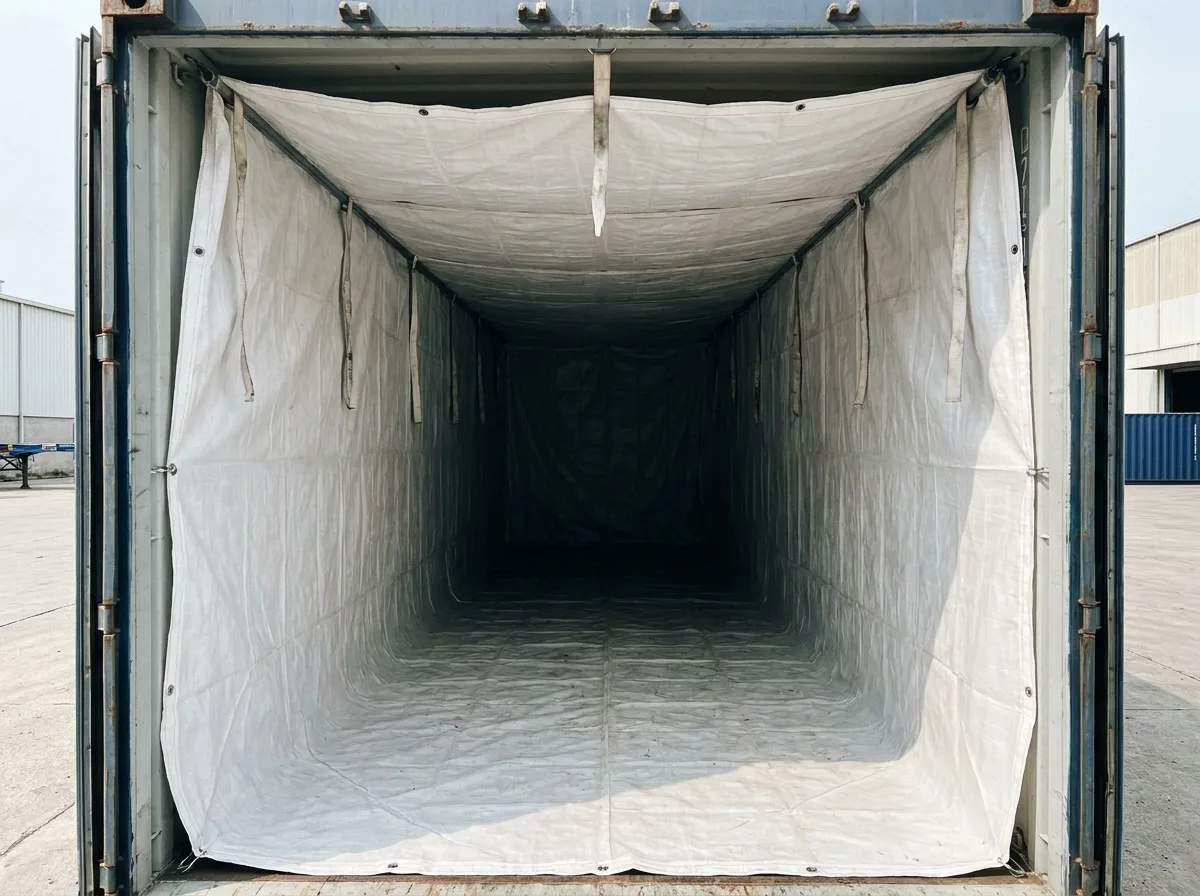
A container can be lifted, stacked, sailed and trucked without a scratch, arrive with its seal intact — and still be full of broken goods. The damage happened inside: pallets slid on braking, drums tipped in a turn, cartons were crushed when a load shifted in heavy seas.
Any empty space inside a container, truck or wagon is space the load can move into, and movement builds momentum. The answer is to remove the space.
What a dunnage bag does
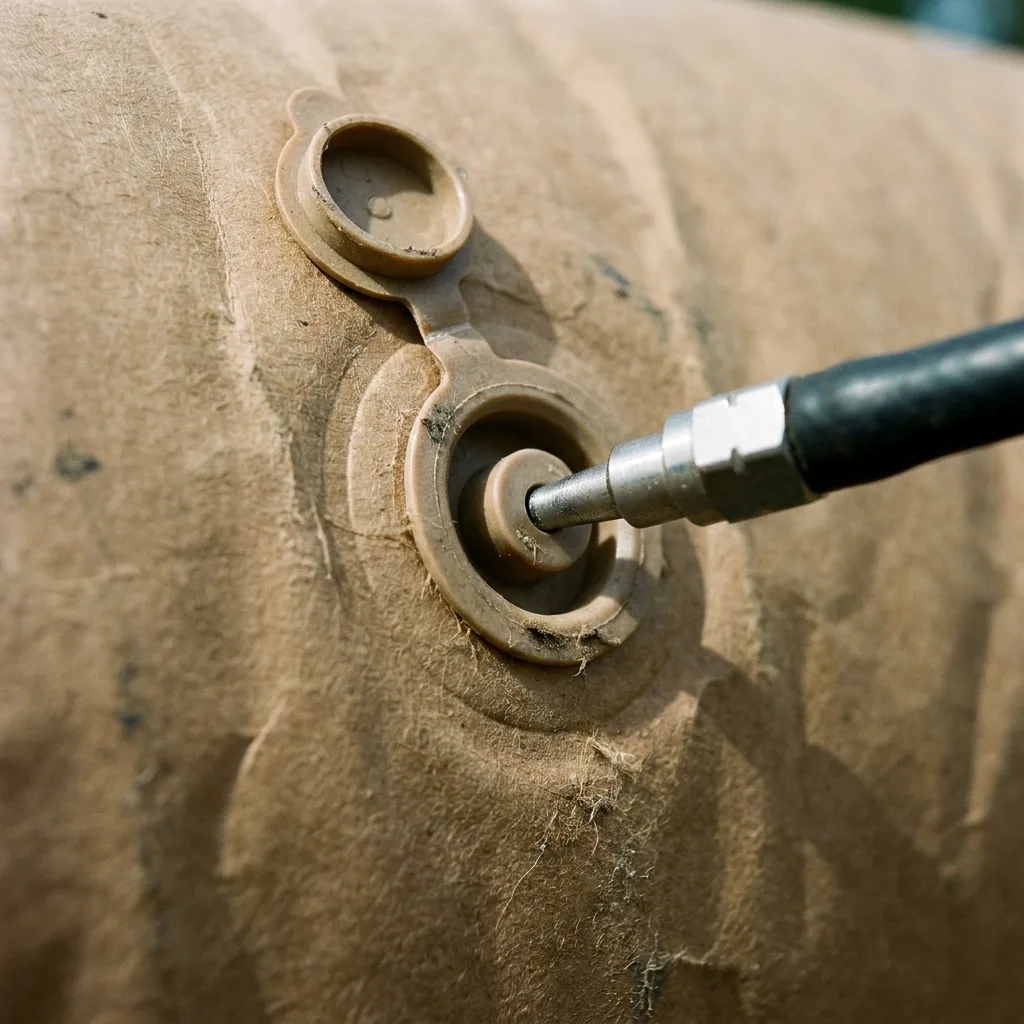
A dunnage air bag is an inflatable bag placed in a gap — between rows of pallets, between drums, or between the load and a side wall — and then inflated. It expands to fill the void and presses the load units together, so they behave as one block that cannot slide or tip.
Its construction is an outer of multi-ply paper or polyethylene for strength and puncture resistance, around a polyethylene inner bladder that holds the air.
Sizing: one size fits nothing
The right bag size for the gap is what makes a dunnage bag work.
- Too small: the bag inflates fully and still does not fill the gap. The load keeps moving.
- Too large: the bag cannot inflate to its designed shape in the gap, is over-stressed and can burst — or it is over-inflated to compensate.
Measure three things:
- The width of the gap to be filled
- The height of the load face the bag presses against
- The length of that face
The bag is sized so that, inflated, it fills the gap and covers enough of the load face to spread the pressure. GI PackTech sizes against the actual load plan rather than selling one general size — send the plan and photographs of a loaded container.
Placing and inflating
| Do | Do not |
|---|---|
| Place bags between load units, at mid-height of the load face | Place a bag against the container doors |
| Make sure both faces are flat and free of sharp edges | Put a bag against nails, strapping buckles or sharp corners |
| Inflate to the pressure stated by the maker | Over-inflate to make an undersized bag fit |
| Check the load is tight before closing the doors | Rely on bags alone for very heavy units |
| Use a slip sheet or board where the face is uneven | Leave large voids at the door end unblocked |
Where dunnage bags fit in load securing
Dunnage bags are one part of securing a load. Heavy machinery, steel and large single items still need blocking, bracing and lashing to fixed points. Dunnage bags fill the gaps between units so the whole load is tight. International guidance on packing cargo transport units — the IMO/ILO/UNECE Code of Practice for Packing of Cargo Transport Units (the CTU Code) — treats void filling and load securing as part of the same job.
Keep the units themselves stable
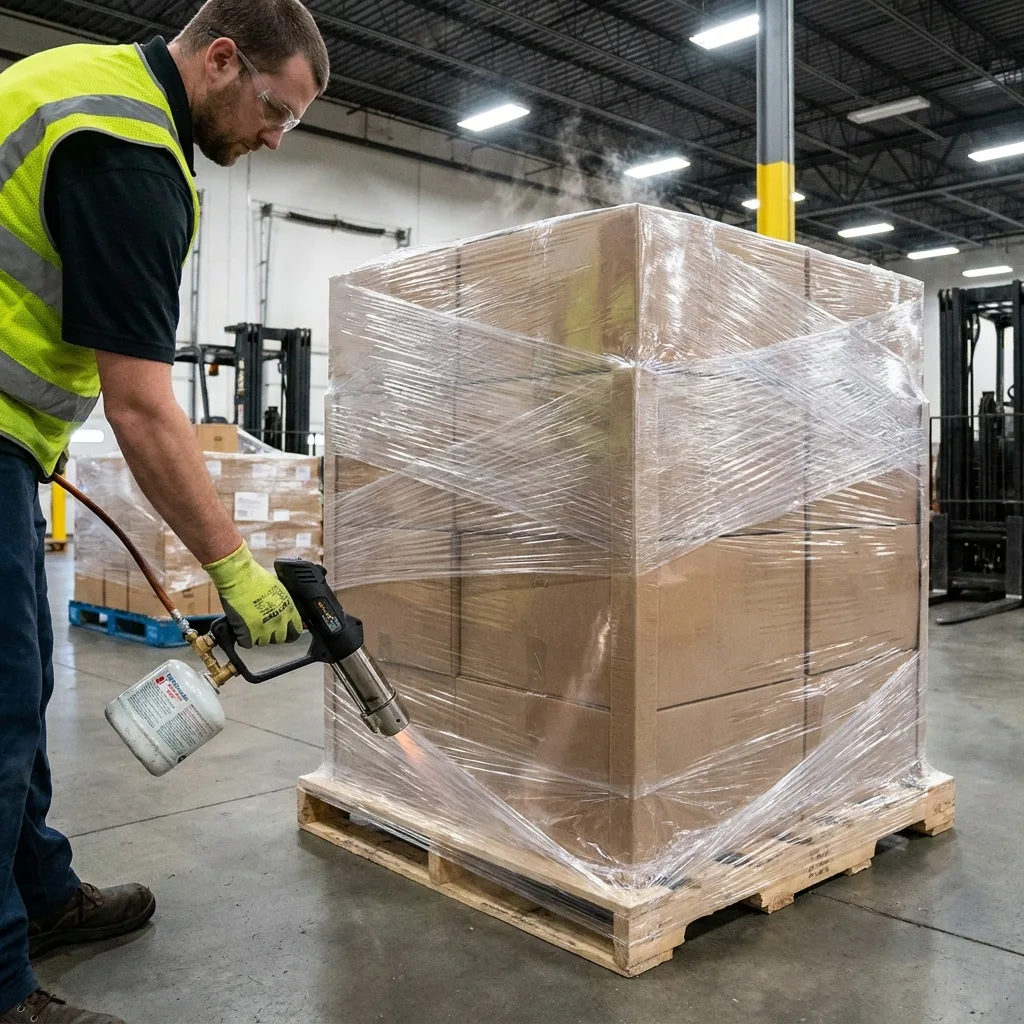
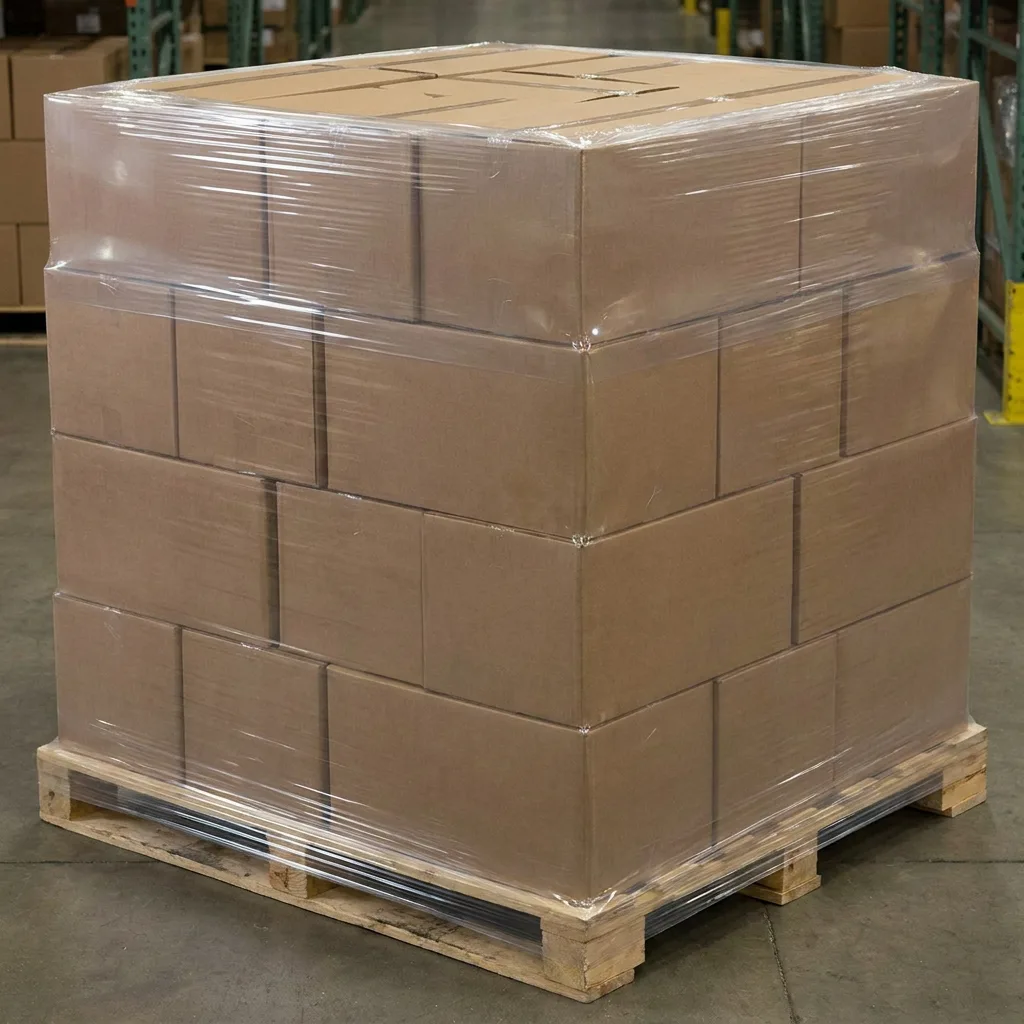
A dunnage bag holds pallets against each other, but each pallet still has to hold together. A pallet shrink hood turns a stack into a single solid block, and an LDPE pallet hood closes the top face that stretch wrap leaves open — see pallet covers vs stretch wrap vs shrink hoods.
Applications
Container shipments, truck loads, rail freight — palletised goods, drums, cartons and bagged product. Anywhere a gap is left between load units because the load does not exactly match the box.
Send the load plan; the bag sizes are worked out for your gaps.
Frequently asked questions
What is a dunnage air bag used for?
It fills empty space inside a container, truck or rail wagon so the load cannot move. Placed between pallets, drums or cartons — or between the load and a wall — and inflated, it presses the load units against each other so they behave as one block, which stops sliding, tipping and impact damage during braking, cornering and rough seas.
How do I choose the right dunnage bag size?
Measure the width of the gap to be filled and the height and length of the load face the bag will press against. The bag should be sized so that, inflated, it fills that gap fully and covers enough of the face to spread the pressure. An undersized bag cannot fill the void; an oversized one is over-stretched and can burst. Send a load plan to have it sized.
Can dunnage bags be placed against the container doors?
No. A dunnage bag should not be used against the doors at the end of the load, because the doors are not designed to restrain cargo pressure and the bag can push them or fall out when they are opened. The door-end gap is closed with blocking or bracing instead, and dunnage bags are used between load units.